

Since its founding in 1901, Cushman has established itself as an iconic American brand, known for its innovative engineering and high-quality products. While initially focused on industrial equipment, Cushman's transition into the golf cart market created some of the most beloved and collectible vehicles in golf history.
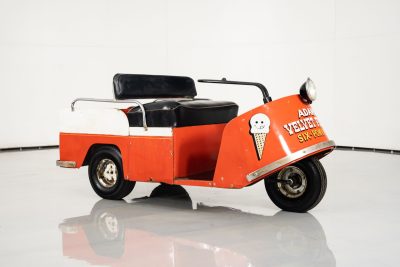
History & Timeless Appeal of Cushman Golf Carts
Cushman entered the golf cart market in the 1940s, responding to the growing demand for efficient transportation on expanding golf courses. Building on its reputation for rugged industrial equipment, the company naturally transitioned to manufacturing vehicles that could withstand daily use on varied terrain while providing reliable performance.
Design of Classic Cushman Golf Carts
Cushman golf carts are celebrated for their distinctive appearance and robust construction, which made them popular on golf courses and resorts across the United States. Their design philosophy prioritized functionality and durability, resulting in vehicles that have stood the test of time.
Design Features:
- Industrial Aesthetics: Simple, robust design reflecting mid-20th century manufacturing style
- Rounded Body Lines & Wide Wheelbase: Providing driving stability
- Steel and Aluminum Construction: Ensuring lasting durability
- Minimalist Interior: Focused on functionality
- Classic Color Schemes: Including deep red, lake blue, and pristine white
Unlike modern golf carts that often prioritize comfort and technology, vintage Cushman models emphasize practicality and longevity. This focus on durability means many well-maintained vehicles still run smoothly decades after manufacture, a testament to their exceptional craftsmanship.
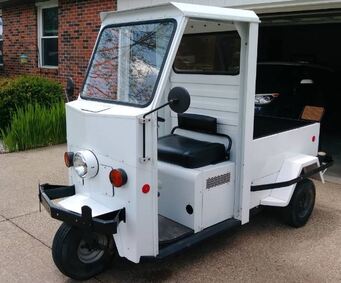
Innovation & Evolution: The Cushman Legacy
Cushman's history in the golf cart arena dates back to the post-World War II era when the company began designing dedicated vehicles for golf courses. The iconic Golfster series debuted in the 1950s, focusing on functionality and reliability, quickly making it essential equipment on golf courses nationwide.
Over the decades, Cushman continuously refined its golf cart designs:
- 1940s-1950s: Basic electric and gasoline-powered models with simple controls
- 1960s: Improved battery technology and more efficient motor designs
- 1970s: Enhanced suspension systems for improved ride comfort
- Later Models: Introduction of weather protection features and improved ergonomics
By the 1970s, Cushman's business had expanded to resorts, private communities, and industrial parks, solidifying its reputation as a manufacturer of versatile utility vehicles.
The Appeal & Collectibility of Vintage Cushman Golf Carts
Vintage Design & Growing Collectibility
Vintage Cushman golf carts have transcended their original utilitarian function to become desirable collectibles. Their appeal stems from several key factors that set them apart in the growing market for nostalgic vehicles.
Factors Driving Collectibility:
- Nostalgic Appeal: Evokes memories of the mid-20th century American golf golden age
- Industrial Design: Represents a specific era of American manufacturing excellence
- Rarity: Well-preserved models become increasingly scarce over time
- Restoration Potential: Simple mechanical systems make restoration projects more accessible to enthusiasts
- Cultural Significance: Symbolizes the post-war leisure industry boom and growing popularity of golf
For collectors, Cushman golf carts are not just transportation; they are mobile artifacts carrying a specific moment in American social and industrial history. Professionally restored models or well-preserved originals can command substantial prices in the collector market.
"While modern golf carts offer comfort and convenience, vintage Cushman provides an authentic experience that transports you back to golf's golden age. The simplicity of their design is part of the charm, and maintaining these historical treasures is a rewarding pursuit for enthusiasts."
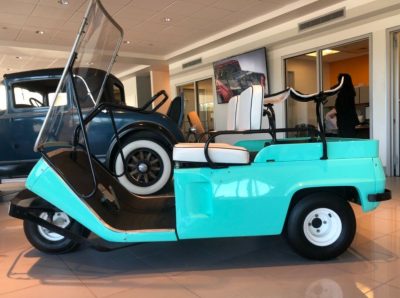
Performance Comparison: Vintage Cushman vs Modern Golf Carts
While vintage Cushman golf carts excel in charm and character, there are notable differences in performance and technology compared to modern counterparts.
| Feature | Vintage Cushman | Modern Golf Carts |
|---|---|---|
| Power System | Lead-acid batteries with limited range | Often lithium-ion systems with longer range |
| Charging Time | Longer charging cycles with older technology | Fast charging systems available |
| Comfort Features | Basic suspension and seating | Ergonomic designs with various configurations |
| Speed | Typically limited to 12-15 mph with weaker acceleration | Similar speeds but with better acceleration |
| Maintenance | Simpler mechanical systems may be easier to repair but need more frequent attention | Lower maintenance but may require specialized service |
These performance differences are precisely what constitutes the nostalgic driving experience cherished by enthusiasts. The slower pace, unique sounds, and direct mechanical feedback of vintage Cushman carts offer a connection to golf history that modern technology cannot replicate.
Buying Vintage Cushman Golf Carts: Comprehensive Guide
Reliable Purchasing Channels
Finding a quality vintage Cushman golf cart requires understanding where to look and what to expect from different purchasing channels.
Where to Find Vintage Cushman Golf Carts:
- Specialized Dealers: Businesses focusing on vintage and utility vehicles often have restored models
- Online Marketplaces: eBay, Bring a Trailer, and specialized golf cart forums frequently have listings
- Heritage Auctions/Estate Sales: May find well-preserved vehicles from original owners
- Golf Course Liquidations: Sometimes retire vintage carts still in service
- Collector Events: Golf cart shows and swap meets often have purchasing opportunities
When purchasing online, always request detailed photos from multiple angles, especially of the frame, battery compartment, and any areas showing corrosion or damage. For high-value purchases, consider hiring a local inspector or requesting a video inspection.
Buying Tips: Assessing Condition & Value
Evaluating a vintage Cushman golf cart requires attention to several specific aspects that can significantly impact its value and usability.
Key Evaluation Points:
- Frame Integrity: Check for rust or damage, especially in structural areas
- Battery System: For electric models, assess battery age and condition
- Motor Performance: Test acceleration, braking, and overall operation
- Body Condition: Look for dents, rust, or evidence of poor repairs
- Originality: Determine how many components are original versus replaced
- Documentation: Service records and original manuals add value
Market Insight: In recent years, demand for well-preserved vintage Cushman golf carts has remained steady, particularly for highly original models from the 1950s and 1960s.
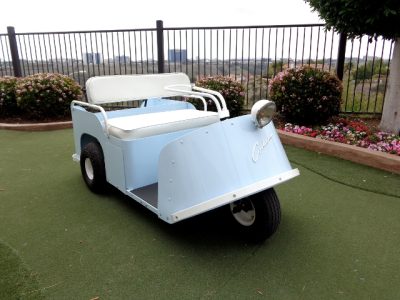
Price Range & Market Trends
The vintage Cushman market shows sustained interest as more collectors discover these iconic vehicles.
Current Market Pricing Reference:
Restoration Project Vehicles: Typically range from $500 - $2,000 depending on condition
Good Condition Vehicles: Usually $2,500 - $6,000 for running vehicles needing some restoration
Professionally Restored Examples: $8,000 - $15,000+ for vehicles with professional restoration
Rare/Exceptional Models: $15,000 - $25,000+ for vehicles with special historical significance or show-quality
Market trends show stronger demand in these categories:
- Early Golfster models with original components
- Carts with well-documented history or notable provenance
- Models equipped with rare factory options or color schemes
- "Restomod" vehicles that successfully blend vintage aesthetics with modern performance
Prices also typically show seasonal fluctuations, with higher demand during spring and summer months.
Conclusion: The Enduring Legacy of Cushman Golf Carts
Vintage Cushman golf carts represent a unique intersection of American industrial history, leisure culture, and collectible automotive design. Their rugged construction, timeless styling, and historical significance make them more than just utility vehicles—they're rolling pieces of history capturing a specific era of leisure and innovation.
Whether you're looking for a functional vehicle for the golf course, a restoration project, or a collector's investment, Cushman golf carts offer compelling options at various price points. Their relatively simple mechanical systems compared to modern vehicles make them accessible to enthusiasts of different skill levels.
As the vintage golf cart market continues to mature, Cushman models stand out for their quality craftsmanship and nostalgic appeal. Well-preserved or properly restored vehicles are not only enjoyable to drive but also represent a valuable investment in automotive history.
Ready to Own a Piece of Golf History?
Connect with our network of vintage golf cart specialists, restoration experts, and collectors. Whether you're looking to buy, sell, or restore a classic Cushman golf cart, we can help you find the perfect vehicle or connect you with the right resources.
Explore Vintage Cushman Options

