

Braking systems are crucial components of all vehicles, ensuring safety and control under various driving conditions. This comprehensive guide explores different types of braking systems used in gasoline vehicles, electric vehicles, and golf carts/low-speed vehicles, with a special focus on auxiliary brake systems that provide additional safety and performance benefits.
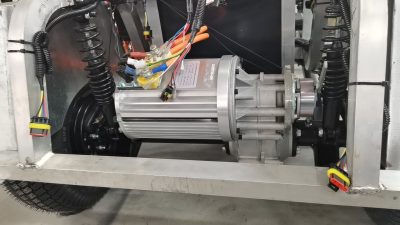
1. Gasoline Vehicle Brake Types
Gasoline vehicles, typically powered by diesel or gasoline internal combustion engines, employ various braking systems. These systems are designed to ensure safety, reliability, and performance. Modern vehicles often combine multiple braking technologies to optimize performance under different driving conditions.
| Type | How It Works | Pros | Cons |
|---|---|---|---|
| Disc Brakes | Uses brake calipers to squeeze brake pads against a rotor to create friction and slow the vehicle | High braking performance, excellent heat dissipation, suitable for high-speed or frequent braking, better performance in wet conditions | Higher cost, more complex maintenance, rotors more prone to warping |
| Drum Brakes | Uses brake shoes pressed against a brake drum to create friction and slow the vehicle | Simple design, lower cost, suitable for low-speed or light-load applications, longer lifespan in some applications, self-energizing design provides good braking force | Poor heat dissipation, prone to overheating, less effective than disc brakes, more complex adjustment requirements, longer braking distance when overheated |
| Hydraulic Brake Systems | Uses hydraulic fluid to transmit pressure from the brake pedal to the brake pads or shoes | Strong braking force, quick response, widely used in passenger and commercial vehicles, self-lubricating system reduces maintenance, even pressure distribution to all wheels | Complex system, higher maintenance cost, risk of brake failure from fluid leaks, system prone to air bubbles, fluid can absorb moisture reducing effectiveness |
| Pneumatic Brakes | Uses compressed air to push brake pads or shoes against the rotor or drum | Strong braking force, suitable for heavy vehicles; safe and reliable, provides partial braking even with partial system failure; unlimited air source (from compressor); less affected by temperature changes | Complex system, requires air compressor; time needed to build air pressure before use; higher installation and maintenance costs; can be noisy during operation |
| Mechanical Brakes | Uses mechanical linkages (like cables or rods) to apply braking force | Simple design, low cost, commonly used for parking brakes (handbrakes); no fluids, eliminating leak concerns; reliable at extreme temperatures | Limited braking force, not suitable as primary brakes; slower response compared to hydraulic or pneumatic brakes; requires regular adjustment; cables prone to stretching over time |
| Electronically Controlled Brake Systems | Advanced systems like ABS and EBD use electronic sensors and controls to optimize braking performance | Improved braking precision and safety; can integrate with other vehicle systems (like ESP); prevents wheel lockup during emergency braking; optimizes braking force distribution between front and rear wheels | Complex and expensive; relies on electrical system, performance may be affected during power shortage; requires specialized diagnostic equipment; high repair cost for component failures |
2. Auxiliary Brake Types
Auxiliary brakes, also known as secondary brakes, are additional braking systems used to support a vehicle's primary brake system, especially in heavy vehicles or those operating frequently on steep slopes. Their main purpose is to reduce the load on the primary brake system, prevent overheating, and enhance overall safety.
These systems are particularly valuable for commercial vehicles, RVs, and vehicles frequently driven in mountainous areas, where prolonged continuous braking can cause brake fade and reduced effectiveness.
Engine Retarder
Description: Uses the engine's compression force to generate braking power. Commonly used in diesel engines.
Pros: Effective for heavy vehicles, reduces wear on primary brakes; most diesel engines require no additional hardware; can significantly extend friction brake lifespan; provides continuous braking on long downhill sections.
Cons: Can be noisy, typically used in large trucks; less effective at low RPM; not available on gasoline engines; banned in some residential areas due to noise.
Exhaust Brake
Description: Restricts exhaust flow to create backpressure in the engine, helping to slow the vehicle.
Pros: Simple design, effective for diesel engines; quieter than engine retarder; can be retrofitted to many diesel vehicles; lower cost than other auxiliary brake systems.
Cons: Less effective than engine retarder; may increase exhaust temperature; adds backpressure to engine; limited effectiveness at low speeds.
Retarder Systems
Description: Various systems that provide braking force without using friction components.
Hydraulic Retarder: Uses fluid resistance to generate braking force. Pros: Smooth operation, effective for heavy vehicles; progressive braking feel; can handle high heat loads. Cons: Adds weight, requires cooling system; higher initial cost; complex installation.
Eddy Current Retarder: Uses electromagnetic induction to create resistance. Pros: Strong braking force, minimal maintenance needs; no wearing parts; instant response. Cons: Requires significant electrical power; can be expensive; adds vehicle weight.
Transmission Brake
Description: Integrated into the vehicle's transmission system to provide additional braking force.
Pros: Suitable for heavy-duty applications; reduces wear on primary brakes; can be engaged in specific speed ranges; works well with other braking systems.
Cons: Complex system, high maintenance requirements; adds complexity to transmission design; limited to certain vehicle types; higher initial cost.
Electromagnetic Brake
Description: Uses magnetic fields to create resistance and slow the vehicle.
Pros: No physical contact, minimal wear; precise control; can integrate with regenerative systems; long lifespan.
Cons: Limited to specific applications; requires electrical power; effectiveness decreases at very low speeds; higher initial cost.
Regenerative Braking
Description: Converts kinetic energy into electrical energy, stored in batteries. Commonly used in electric and hybrid vehicles.
Pros: Energy-saving, extends battery life; reduces wear on traditional brakes; seamlessly integrates with vehicle systems.
Cons: Limited effectiveness at low speeds; complex system; higher initial cost; effectiveness reduced when batteries are fully charged.
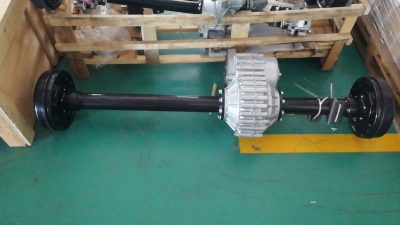
3. Electric Vehicle Brake Types
Electric vehicles employ specialized braking systems that maximize energy efficiency while maintaining safety standards. These systems typically combine traditional friction brakes with advanced electronic controls and regenerative braking technology.
Regenerative Braking System
How it works: Uses the motor in reverse to convert kinetic energy into electrical energy, stored in the battery.
Pros: Recovers energy, improving efficiency and extending range; reduces wear on traditional brakes; seamless integration with vehicle systems, low driver perception.
Cons: Less effective at low speeds; needs integration with traditional brakes for full braking force; complex control system; reduced effectiveness in low-temperature environments.
Electro-Mechanical Brake System
How it works: Uses electronic signals to control braking force, typically integrated with regenerative braking.
Pros: Precise control, faster response; seamless integration with regenerative braking; customizable for different driving modes; reduced pedal force required.
Cons: Complex system, higher cost; relies on electricity, performance may be affected during power shortage; requires redundancy systems for safety; high repair complexity.
Brake-by-Wire System
How it works: Replaces traditional mechanical or hydraulic connections with electronic controls.
Pros: Faster response, more precise control; ideal for integration with advanced driver assistance systems and autonomous driving; lighter weight than hydraulic systems; programmable pedal feel, flexible.
Cons: High cost and complexity; heavily reliant on electrical system; potential cybersecurity issues; requires extensive redundancy design for safety.
Hybrid Brake System
How it works: Combines traditional and regenerative braking, automatically switching or blending between the two based on driving conditions.
Pros: Balances braking performance and energy recovery; extends traditional brake lifespan; provides consistent pedal feel; optimizes energy recovery based on conditions.
Cons: Complex system, higher cost; requires sophisticated control algorithms; switching point between systems may be perceptible; higher maintenance complexity.
Key Features of EV Brake Systems
- Energy Recovery: Regenerative braking captures energy that would otherwise be lost as heat.
- Reduced Wear: Less reliance on traditional brakes reduces wear and maintenance costs.
- Smart Integration: Advanced systems like brake-by-wire integrate better with ADAS and autonomous driving features.
- Safety: Combines multiple braking methods to ensure reliable braking force.
- Customizability: Software updates can continuously improve braking performance.
4. Electric Golf Cart & Low-Speed Vehicle Brake Types
Golf carts and low-speed vehicles require specialized braking systems that balance performance, cost, and reliability within their specific operating conditions. These vehicles typically operate at lower speeds but still need effective braking for safety.
| Type | Features | Pros | Cons |
|---|---|---|---|
| Mechanical Drum Brakes | Brake pedal or lever drives mechanical device that presses brake shoes against drum for friction braking | Simple structure, easy maintenance; low cost; reliable operation; suitable for light-load applications | Average braking effect; prone to overheating with prolonged use; requires regular adjustment; lower braking force compared to other systems |
| Hydraulic Drum Brakes | Uses hydraulic system to transmit pressure, pushing brake shoes against drum | Better braking effect, less effort required; automatic adjustment; more consistent brake feel; suitable for medium-load applications | Complex system, higher maintenance cost; potential for fluid leaks; requires regular brake fluid replacement; more susceptible to moisture contamination |
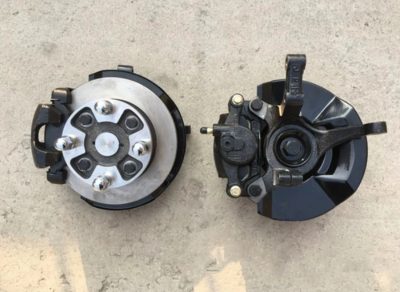
| Disc Brakes | Uses brake calipers to clamp brake pads against disc for friction braking | Good braking effect, fast heat dissipation; suitable for frequent braking; better performance in wet conditions; easy visual inspection | High cost, complex maintenance; rotors more prone to damage; can be noisier than drum brakes; higher initial cost |
| Electromagnetic Brakes | Uses electromagnetic force to generate braking, often used for auxiliary or parking brakes | Fast response, suitable for emergency or parking braking; no physical contact, minimal wear; can engage automatically; suitable for hill parking | Relies on electricity, effectiveness decreases during power shortage; limited continuous braking force; generates heat with prolonged use; higher cost than mechanical systems |
| Regenerative Braking | Electric golf carts recover energy through motor reversal while generating braking force | Energy-saving, environmentally friendly; helps extend battery life; reduces wear on friction brakes; can increase driving distance between charges | Weaker braking force; typically needs to work with other braking systems; reduced effectiveness at low speeds; more complex control system |
Golf Cart/LSV Brake System Selection Considerations
- Vehicle Weight and Load Capacity: Heavier vehicles require more robust braking systems.
- Maximum Speed: Higher speeds require more effective braking systems.
- Required Braking Force: Based on terrain and typical usage patterns.
- Usage Frequency: Frequent braking requires systems with better heat dissipation.
- Budget and Maintenance Requirements: Balance initial cost with long-term maintenance needs.
- Operating Environment: Hilly terrain requires more powerful braking systems.
Summary
Braking technology has evolved significantly across different vehicle types, with each application requiring specialized solutions:
- Mechanical Drum Brakes: Simple and easy to maintain, suitable for basic needs.
- Hydraulic Drum Brakes: Better braking effect and easier operation.
- Disc Brakes: Excellent braking effect and heat dissipation, suitable for frequent use.
- Electromagnetic Brakes: Fast response, suitable for emergencies.
- Regenerative Braking: Energy-saving and environmentally friendly, suitable for electric models.
When selecting a braking system, consider vehicle weight, load capacity, maximum speed, required braking force, usage frequency, budget, and maintenance requirements. For specialized applications like heavy commercial vehicles or electric vehicles, auxiliary braking systems and regenerative technologies offer additional advantages that enhance safety, efficiency, and overall performance.
As braking technology continues to advance, we can anticipate further integration of electronic controls, improved energy recovery systems, and material upgrades that provide better performance with lighter weight and lower environmental impact.
Need Help Choosing the Right Brake System?
Our braking system specialists can help you select the optimal brake solution for your vehicle type, whether it's an EV, truck, golf cart, or other specialized application. Get personalized advice based on your specific requirements and operating conditions.
Get Expert Brake System Advice

