

A standard utility golf cart works well for light-duty tasks. But once cargo gets heavier, longer, or more frequent, its limitations become obvious. This is usually the point where buyers start looking for a long bed golf cart.
Unlike regular utility carts, a long bed golf cart is designed for real hauling work. It is built for efficiency, stability, and daily use in demanding environments. This article explains what defines a long bed golf cart, when it makes sense to choose one, and what buyers should consider before making a decision.
What Is a Long Bed Golf Cart?
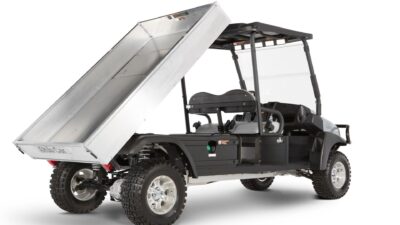
A long bed golf cart is a utility-style golf cart with an extended cargo bed. The longer bed allows it to carry bulky items, longer tools, or multiple loads in a single trip.
Compared with a standard utility golf cart, the difference is not just bed length. The chassis, suspension, and weight distribution are usually reinforced to support higher payloads. Many long bed golf carts also feature stronger motors and upgraded battery systems to handle the additional load.
In practice, this makes a long bed golf cart more than a simple transport tool. It becomes a compact work vehicle.
Why Standard Utility Golf Carts Often Fall Short
Many buyers start with a standard utility golf cart because it looks sufficient on paper. Over time, practical issues appear.
The cargo bed may be too short for equipment or materials. Loads may need to be split into multiple trips. In some cases, items extend beyond the bed, creating safety risks.
These inefficiencies increase operating time and labor costs. A long bed golf cart solves this problem by allowing fewer trips and safer transport.
Common Applications for Long Bed Golf Carts
Long bed golf carts are typically used where hauling is part of daily operations. In industrial parks and factories, they move tools, components, and supplies across large sites. In resorts and hotels, they transport luggage, maintenance equipment, and bulk items efficiently.
Warehouses and logistics facilities also rely on long bed utility golf carts for internal transport. Landscaping teams use them to carry longer tools, plants, and materials without constant reloading.
In all these environments, the extended cargo bed improves workflow and reduces downtime.
Long Bed Golf Cart vs Standard Utility Golf Cart
The most noticeable difference is cargo capacity, but the real distinction lies in usability.
A standard utility golf cart is easier to maneuver in tight spaces. It works well for light loads and occasional use. A long bed golf cart, on the other hand, is optimized for continuous hauling.
The longer wheelbase improves stability when fully loaded. The reinforced frame reduces wear over time. For operations that depend on reliable material movement, the long bed design offers a clear advantage.
Key Factors to Consider Before Choosing a Long Bed Golf Cart
Before selecting a long bed golf cart, buyers should evaluate how it will be used daily. Bed length should match the actual cargo size rather than theoretical capacity. A longer bed is only useful if the surrounding space allows safe turning and parking.
Payload rating matters as much as bed size. A cart designed for heavy-duty hauling needs proper suspension and braking systems. Powertrain selection is also critical. Electric long bed golf carts require sufficient battery capacity to maintain range under load.
Finally, buyers should consider whether off-the-shelf models meet their needs or if a customized configuration makes more sense.
Are Long Bed Golf Carts Available as Standard Models?
Some manufacturers offer long bed golf carts as standard utility variants. These models usually cover common use cases and ship faster. However, many buyers require specific bed dimensions, load ratings, or accessories.
In those cases, extended bed or custom utility golf carts are often the better choice. Customization may include reinforced beds, side rails, or specialized cargo mounts. The right solution depends on how critical hauling performance is to daily operations.

Long-Term Cost Considerations
A long bed golf cart may cost more upfront than a standard utility cart. However, the total cost of ownership often tells a different story.
Fewer trips mean lower labor costs. Reduced overloading decreases maintenance issues. Improved efficiency leads to faster task completion. Over time, these factors can offset the initial investment.
For high-usage environments, choosing the right utility golf cart from the start can prevent costly upgrades later.
Frequently Asked Questions
What is the typical bed length of a long bed golf cart?
Bed length varies by manufacturer and model, but long bed golf carts usually offer significantly more cargo space than standard utility carts. Buyers should confirm exact dimensions based on their cargo requirements.
Can a long bed golf cart handle heavy-duty applications?
Yes, many long bed utility golf carts are designed for heavy-duty use. Proper payload rating, suspension strength, and motor power are key factors to check.
Is a long bed golf cart harder to operate?
A longer wheelbase may slightly affect turning radius, but most operators adapt quickly. The efficiency gained from reduced trips often outweighs minor handling differences.
A long bed golf cart is not for every application, but when hauling efficiency matters, it becomes the right tool. Understanding real usage needs is more important than choosing the largest bed available.
For buyers who rely on utility golf carts as working vehicles, selecting the correct configuration can improve productivity and reduce long-term costs.


