

If your golf cart suddenly stops charging, the problem is often simpler than it looks. A charger that will not click on, a loose connection, or melted plastic around the connector usually points to one issue—a faulty golf cart plug.
This guide walks you through how to diagnose common plug problems, identify the correct plug type for your cart, choose a reliable replacement, and install it safely. Whether you own a Club Car, EZ-GO, or another brand, understanding the plug system can save time, money, and frustration.
Step 1: Diagnose Your Golf Cart Plug Problem
Before replacing anything, it helps to confirm that the plug is actually the cause of the charging issue. Many golf cart charging problems begin at the connector.
If the plug feels hot, looks melted, or shows discoloration, the issue is often a loose or corroded connection. Heat buildup usually means resistance at the terminals. Inspect the pins closely and make sure the plug seats firmly when connected.
When the charger does not activate at all and there is no audible “click,” the problem may be internal. Broken wires, bent pins, or a failed signal circuit inside the plug can prevent the charger from turning on. A simple continuity check with a multimeter can often confirm this.
Intermittent charging is another common symptom. If charging cuts in and out when the cable is moved, worn contacts or internal corrosion inside the golf cart plug are likely causes.
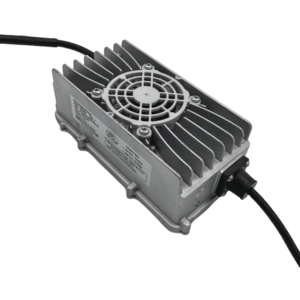
Step 2: Identify Your Golf Cart Plug Type
Compatibility matters more than most owners expect. Golf cart plugs are not universal, and using the wrong type can prevent charging or damage the system.
Many older carts use a standard 3-pin plug, recognizable by three round pins arranged in a triangle. These are common on basic 36V or 48V systems.
Some carts use a standard 4-pin plug, which includes an extra circuit to power lights or accessories while charging. If your cart does not require this function, a 4-pin plug may be unnecessary.
Club Car DS and Precedent models use a distinctive rectangular plug design. These plugs communicate directly with the charger, and OEM-style replacements are strongly recommended to ensure proper operation.
EZ-GO RXV and TXT models also use brand-specific plugs. Matching the model year is critical, as pin layouts can change between generations.
Identifying your exact plug type before purchasing avoids costly mistakes.
Step 3: How to Buy the Right Replacement Golf Cart Plug
Replacement plugs are widely available, but quality varies. Online marketplaces like Amazon offer convenience, while specialty golf cart retailers provide better compatibility guidance. Local dealers tend to be the most expensive option but usually guarantee correct fit.
Before buying, take a clear photo of the old plug and note your cart’s make, model, and year. If possible, search by OEM part number. Customer reviews that mention fit and durability are more useful than those focused on price alone.
A good replacement golf cart plug typically costs between $20 and $60 USD, depending on brand and design.
Step 4: How to Safely Replace a Golf Cart Plug
⚠️ Safety first: Always disconnect the main battery pack before working on any electrical components.
Replacing a golf cart plug is a straightforward task if done carefully. Start by cutting off the old plug, leaving enough cable length to work with. Strip the insulation cleanly and prepare the wires.
When connecting the new plug, follow the wiring diagram provided. In most cases, wire colors correspond directly, such as black for negative, red for positive, and white for the controller signal. Never guess—incorrect wiring can damage the charger or controller.
Secure connections using solder or quality crimp connectors, then insulate them with heat shrink tubing for moisture protection. Once complete, reconnect the batteries and test the charger. A proper connection should trigger the charger’s activation click.
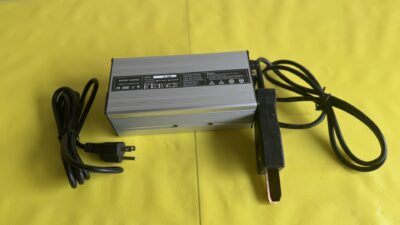
Common Mistakes to Avoid
One of the most common mistakes is using a household electrical plug as a substitute. Golf carts operate on high-voltage DC systems, and household AC plugs are unsafe and incompatible.
Another issue is ignoring the receptacle on the cart itself. Sometimes the plug looks new, but worn contacts inside the cart’s charging port cause the real problem.
Rushing installation without proper insulation also leads to early failure, especially in humid or outdoor environments.
Frequently Asked Questions
Can I replace my golf cart plug with a regular household plug?
No. Golf cart plugs are part of a specialized charging circuit designed for 36V or 48V systems. Using a household plug is dangerous and can damage equipment.
How much does a new golf cart plug cost?
Most quality replacement plugs range from $20 to $60 USD, depending on brand and design.
My plug looks fine, but the charger still won’t work. What should I check next?
The issue may be with the charger, the cart’s receptacle, or the batteries themselves. Each should be tested before replacing additional parts.


