

Opening the battery compartment and noticing low water levels can be unsettling. Many golf cart owners pause at that moment, wondering whether it’s routine maintenance or a sign of a bigger problem.
Understanding water in a golf cart battery—why it drops, when it’s normal, and how to handle it correctly—can extend battery life and prevent expensive mistakes.
This guide focuses on safe, real-world battery care, not shortcuts.
Diagnosis First: Normal Maintenance or a Real Problem?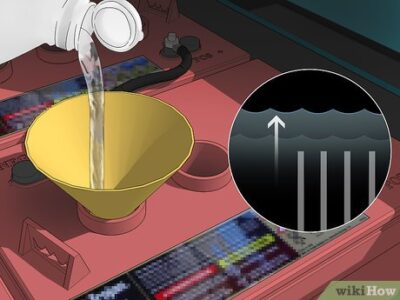
Low water does not automatically mean something is wrong. In fact, it is often part of normal battery operation. The key is recognizing which situation you’re dealing with.
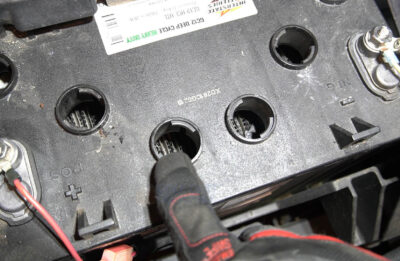
If the electrolyte level is low and the lead plates are partially exposed, this is usually normal water loss during charging. Lead-acid batteries naturally lose water through electrolysis, and topping off with distilled water is routine maintenance.
Clear liquid pooling on top of the battery, however, is different. That often means the battery was overfilled or exposed to rain or washing. This should be cleaned immediately to avoid corrosion.
Discolored or cloudy electrolyte is a warning sign. It usually indicates contamination, often from tap water or improper additives. Once contamination occurs, battery performance and lifespan drop quickly.
⚠️ Safety First: What to Do Before You Add Water
Working around golf cart batteries requires caution. These batteries contain acid and release hydrogen gas during charging.
Always wear acid-resistant gloves and safety goggles. Work in a well-ventilated area, away from sparks, flames, or cigarettes. Even a small ignition source can be dangerous near charging batteries.
Taking a few minutes to prepare properly matters far more than finishing quickly.
How to Add Water to Golf Cart Batteries (The Safe Way)
Adding water is simple, but timing and method make a big difference.
Start by cleaning the top of the batteries. Dirt or debris can fall into the cells when caps are opened, contaminating the electrolyte.
Open the vent caps and inspect the level. Ideally, the fluid should sit just below the fill ring. If plates are exposed, water must be added.
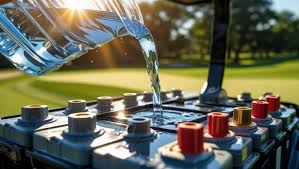
Slowly add distilled water only. Pour carefully until the electrolyte reaches the proper level. Avoid filling to the top—overfilling causes acid overflow during charging.
After watering, fully recharge the battery pack. Charging mixes the electrolyte evenly and brings the level to its natural resting height.
A practical tip:
The best time to add water is after a full charge. If plates are exposed before charging, add just enough water to cover them, charge fully, then top off to the correct level.
The #1 Mistake That Ruins Golf Cart Batteries
Never Use Tap Water
Tap water contains minerals such as calcium, iron, and magnesium. These minerals permanently coat the lead plates inside the battery, causing sulfation and reducing capacity.
Once this happens, the damage cannot be reversed. Even occasional tap water use shortens battery life significantly.
Only distilled or deionized water is safe for golf cart batteries.
Why Golf Cart Batteries Lose Water in the First Place
Lead-acid batteries generate electricity through a chemical reaction involving water and sulfuric acid. During charging, part of that water breaks down into hydrogen and oxygen gas and escapes through the vents.
This is normal. Higher temperatures, frequent charging, and heavy usage all accelerate water loss. Understanding this process helps owners avoid unnecessary worry.
How Often Should You Check Water Levels?
There is no universal schedule, but most golf cart batteries should be checked every four to six weeks, or after every five to ten charging cycles.
Hot climates and frequent use may require more frequent checks. Making battery inspection part of routine maintenance prevents surprises and premature battery failure.
Final Thoughts
Finding low water in a golf cart battery is usually part of normal maintenance, not a failure. Problems begin when water is added incorrectly, too late, or with the wrong type.
Using distilled water, following safe practices, and checking levels regularly can significantly extend battery life. Proper care costs little but prevents some of the most expensive golf cart repairs.
Frequently Asked Questions
Can I use bottled drinking water instead of distilled water?
No. Bottled drinking water still contains minerals. Only distilled or deionized water is safe.
What happens if I overfill my golf cart battery?
Overfilling causes electrolyte to spill out during charging, leading to corrosion and loss of capacity. Excess fluid should be carefully removed.
How do I know if low water has already damaged my batteries?
Reduced run time, uneven charging, or excessive heat can indicate damage. A load test may be needed to confirm battery health.
Do lithium golf cart batteries need water?
No. Lithium batteries are sealed and maintenance-free, requiring no watering at all.


