

In the field of specialized vehicle manufacturing, the price of molds for golf cart exterior parts can range from tens of thousands to over a million. This significant price disparity is determined by a combination of factors, including materials, structure, complexity, size, and implicit requirements. Below, we delve into the key factors influencing mold costs through a detailed, text-and-graphic style explanation.
I. Material Selection: The Foundation of Mold Lifespan and Cost
Golf carts are used outdoors long-term, requiring their exterior parts (such as body panels, fenders, etc.) to possess excellent weatherability, impact resistance, and surface quality. This places high demands on the mold steel used.
-
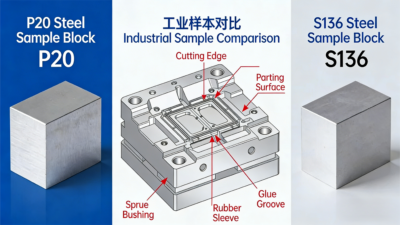
Standard Materials: For interior components or non-critical exterior parts, domestically produced P20 steel can be used, offering lower costs.
-
High-Performance Materials: For large exterior parts (like roofs, side panels), materials such as H13 hot-work tool steel or imported stainless steels like S136 are necessary to ensure mold longevity and molding stability. The cost of such materials can be several times higher than that of standard steel.
II. Structural Complexity: From “Simple Open and Close” to “Precision Machinery”
The complexity of a mold’s structure, akin to the difference between a “single-story house” and a “skyscraper with an elevator,” is a core factor causing price differences.
-
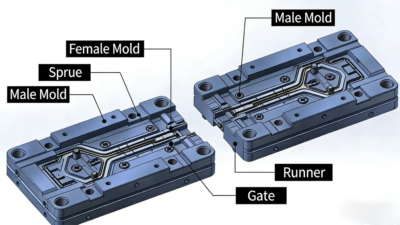
Basic Two-Plate Mold: Suitable for simple, flat parts. It has few components and low cost.
-
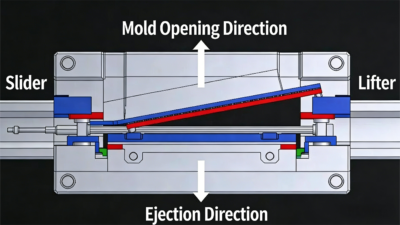
Complex Mold Systems: Golf cart components often feature curved surfaces, clips, or side holes, necessitating the addition of mechanisms like slides (for side holes) and lifters (for undercuts).
These mechanisms can increase the number of mold components by over 30%, significantly raising both the difficulty of debugging and the overall cost.
III. Manufacturing Process and Surface Finish: Determining the Final Appearance Quality
Exterior parts demand exceptionally high surface quality, as any imperfection affects the vehicle’s overall aesthetics.
-
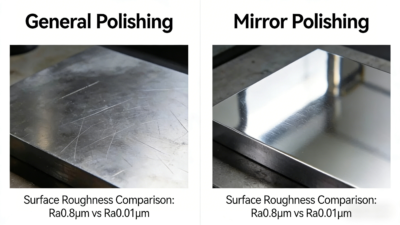
Standard Machining: Internal structural parts typically use conventional CNC machining and polishing.
-
High-Precision & Special Finishing: Body panels and other Class “A” surfaces often require mirror polishing (Ra < 0.02μm) or custom texturing. Achieving this level of finish necessitates high-precision equipment like 5-axis CNC machines and highly skilled technicians, substantially increasing costs.
IV. Mold Size and Lifespan Requirements: Stepped Costs Based on Scale
-
Small Part Molds: Such as for an instrument panel cover. These require less material and have shorter machining cycles.
-
Large Part Molds: Such as for a body shell over 1.5 meters long. These require several tons of steel and rely on large-scale equipment like gantry milling machines for processing, leading to exponentially higher machine time and equipment costs.
V. Conclusion
The wide price range for golf cart exterior part molds ultimately reflects the customer’s comprehensive requirements regarding product quality, lifespan, production efficiency, and appearance standards. Understanding these pricing factors is crucial for making informed decisions and controlling costs effectively during the initial stages of a project.


