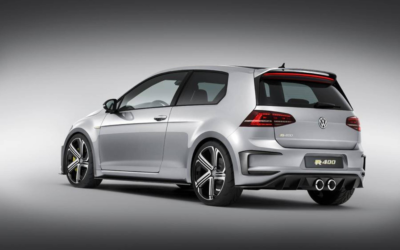
Are Volkswagen Golfs Reliable Cars?
The Volkswagen Golf is one of the most iconic compact cars in automotive history, known for its blend of performance, practicality, and European styling. But when it comes to long-term ownership, a critical question arises: Are VW Golfs reliable?
In this article, we’ll examine:
Golf’s reliability ratings from industry experts
Common problems to watch out for
How it compares to rivals like the Honda Civic and Toyota Corolla
Tips for buying a used Golf
Which model years are the most dependable
Reliability Ratings: What the Experts Say
Volkswagen as a brand has had a mixed reputation for reliability, often trailing behind Japanese competitors. However, the Golf has generally fared better than other VW models.
Consumer Reports: Some Golf years score above average, while others fall below. The 2015–2017 models are often praised.
J.D. Power: Later models (2019–2023) score well in initial quality surveys.
RepairPal: The Golf earns a 3.5/5 reliability rating, ranking 12th out of 36 compact cars.
The core strengths of vw Golf
(1) German driving quality
The chassis is solidly tuned, and the cornering stability is better than that of Japanese competitors (such as Toyota Corolla and Honda Civic).
The steering wheel is precisely pointed, making it suitable for drivers who like to be in control.
The 1.4T+7DSG power combination is mature, with fast power response and low fuel consumption (comprehensive fuel consumption of about 6L/100km).
(2) The interior is well made
Compared with Japanese cars in the same price range, the interior materials of the Golf are more advanced (soft materials + fine seams).
The high-end models are equipped with full LCD instruments, a large-size central control screen, and a strong sense of science and technology (especially the 8th-generation Golf).
(3) The value retention rate is acceptable
The value retention rate of Golf in the domestic second-hand car market is medium to high, with a 3-year value retention rate of about 60%~65% (slightly lower than that of the Civic, but better than that of American cars)
Common Volkswagen Golf Problems
While well-built, some Golf generations have known issues:
Early DSG transmission problems (2009–2012 models)
Timing chain tensioner failures (MK6 1.4T/2.0T engines)
Electrical gremlins (infotainment glitches, sensor failures)
Water pump and thermostat housing leaks (especially in turbocharged engines)
(1) Hidden dangers of dry dual-clutch (DSG).
The 7-speed dry DSG (DQ200) can suffer from stuttering, squeaks, and even clutch overheating in long-term congested road conditions (models from 2013 onwards have been optimized, but there are still risks).
Suggestion: If you are in frequent traffic jams, choose a 1.2T + manual transmission or consider a wet dual-clutch version (such as the DQ381 of the Golf GTI).
(2) High maintenance costs
Volkswagen’s parts and labor costs are more expensive than those of Toyota and Honda, especially the maintenance cost of turbocharged engines.
Example:
Small maintenance (oil + filter) is about 800~1000 yuan (about 500~700 yuan for Japanese).
Replace the DSG transmission oil about 2000~3000 yuan (CVT models are usually cheaper).
(3) The space is not as good as that of competing products
The rear legroom is smaller than that of the Honda Civic and Nissan Sylphy, making it suitable for small families or single/couples.
The trunk volume is only 380 liters (about 440 liters for the Civic).
Golf vs. Competitors: How Does It Stack Up?
| Car Model | Reliability
(RepairPal) |
Avg. Annual
Repair Cost |
Advantages | Disadvantages |
| VW Golf | 3.5/5 | $630 | Good handling, exquisite interior, and high brand recognition | Small space, DSG gearbox is potentially risky |
| Honda Civic | 4.5/5 | $368 | Strong power, large space and high value retention | Poor sound insulation and stiff chassis |
| Toyota Corolla | 4.5/5 | $362 | Fuel-efficient and durable, inexpensive to maintain, and economical in the hybrid version | The driving feeling is flat and the interior has a strong plastic feel |
| Mazda3 | 4.0/5 | $462 | High appearance, precise control, and stable self-priming engine | There is little space in the rear and the power is not as good as that of turbocharged rivals |
The Golf is more expensive to maintain than Japanese rivals but offers a sportier drive and premium interior feel.
Best & Worst Golf Years to Buy
Best Years (Most Reliable)
2015–2017 (MK7): Solid build quality, fewer major issues.
2019–2021 (MK7.5): Refined tech and improved engines.
Worst Years (Avoid or Inspect Carefully)
2006–2009 (MK5): High failure rates in transmissions and electrical systems.
2010–2014 (MK6): Timing chain and fuel system problems.
Tips for Buying a Used VW Golf
✔ Get a pre-purchase inspection (especially for turbo models).
✔ Check service history (DSG transmission fluid changes every 40k miles).
✔ Avoid modified Golfs (tuned engines can have hidden wear).
✔ Consider a CPO (Certified Pre-Owned) model for warranty coverage.
Final Verdict: Is the VW Golf Reliable?
The Volkswagen Golf is a well-engineered car with a good track record, but it’s not as bulletproof as a Toyota or Honda. If maintained properly, it can be a dependable daily driver—especially the MK7 and later models. However, repairs can be pricier, so budget accordingly.
For buyers who prioritize driving enjoyment and build quality over absolute reliability, the Golf remains a strong choice in the compact segment.
Would you buy a used Golf? Let us know in the comments!