

As a frequent visitor to golf courses, I recently noticed an interesting phenomenon while shopping for a golf cart: different brands and models of golf carts vary significantly in their parking methods. From traditional handbrakes to modern electronic calipers, each parking method represents a different design philosophy and user experience. Today, from a customer’s perspective, I’ll provide a detailed analysis of the differences, advantages, and disadvantages of various parking methods for low-speed golf carts.
Traditional Mechanical Parking: The Most Direct Physical Feedback
Handbrake Parking
This is the most common and traditional parking method. A sturdy lever is located beside the driver’s seat. To use it, you need to pull it up firmly, accompanied by a crisp clicking sound. This parking method gives me a feeling of solid reliability—you can clearly feel the resistance of the lever and the locking positions. Every time you park, it feels like a direct conversation between you and the machine.
- Advantages: Simple structure, easy maintenance, and low cost. Most importantly, it doesn’t rely on electricity, so it works even if the battery is completely dead, which is a significant advantage in outdoor golf course environments.
- Disadvantages: Requires considerable strength, making it less friendly to users with less physical power. Over time, the cable may loosen and require regular adjustments. Additionally, the bulky handbrake lever occupies interior space and affects aesthetics.
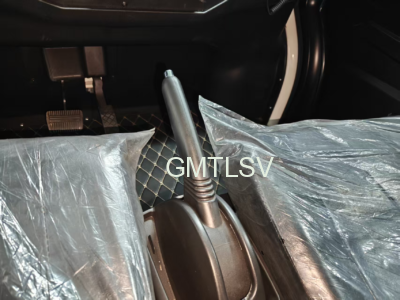
Fig 1. Handbrake
Foot Pedal Parking
Foot pedal parking is essentially a variant of the mechanical handbrake, with the operation changed from pulling with the hand to pressing with the foot. Typically located near the driver’s left foot, you press it down to lock and press it again to release. I wasn’t used to it at first, but I quickly discovered its convenience.
- Advantages: Frees up the hands, requires less effort to operate, and is especially suitable for users with less hand strength. The foot pedal also allows for easier control of pressure, preventing over-pulling.
- Disadvantages: It can be easily overlooked or forgotten, especially for beginners who might accidentally misuse it. The foot pedal mechanism also takes up foot space, which may feel cramped for taller individuals.
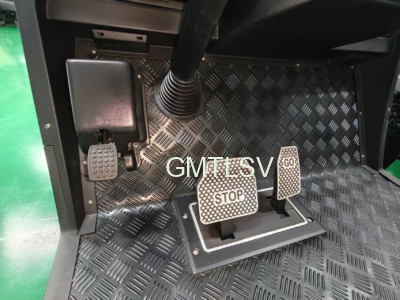
Fig 2. Footbrake from GAH
Hydraulic and Electronic Systems: The Integration of Modern Technology
Brake Pedal Parking
This parking method is usually integrated with the vehicle’s braking system. When parking, you press the brake pedal firmly, and the system automatically locks. Some high-end models even feature a composite pedal design that combines the service brake and parking brake into one.
From a practical usage perspective, this design is highly intuitive—when you stop, you naturally press the brake pedal, and parking is complete. No additional steps are required, reducing the learning curve.
- Advantages: Simple and intuitive operation, consistent with everyday driving habits. Highly integrated, saving space.
- Disadvantages: The system is relatively complex, and maintenance costs are higher. If the hydraulic system fails, it could impact driving safety.
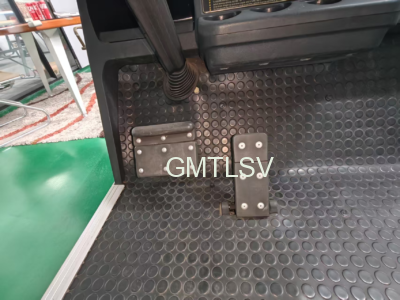
Fig 3. Brake park 2 in 1
Electronic Parking: The Arrival of the Smart Era
Electromagnetic Brake Parking
Electromagnetic brakes are increasingly used in golf carts, especially in micro-carts, where they perform exceptionally well. They generate braking force through electromagnetic power, offering fast response times and high control precision.
I’ve test-driven a golf cart equipped with an electromagnetic brake, and the most notable feeling was smooth and quiet operation. There’s no noise from mechanical friction, and the braking process is almost silent. Additionally, electromagnetic brakes allow for precise control of braking force, which is particularly stable when parking on slopes.
- Advantages: Fast response, precise control, low noise, and simple maintenance. With no friction components, electromagnetic brakes have a long service life.
- Disadvantages: They rely entirely on electricity. If the battery is low, braking performance may be significantly reduced. Additionally, electromagnetic brakes may overheat during prolonged downhill driving and require other braking methods for support.
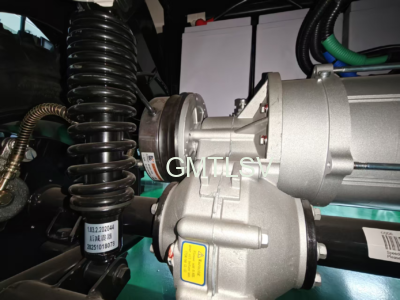
Fig 4. Electromagnetic Brake from GLS023
Electronic Caliper Parking (EPB)
This is currently the most advanced parking method. It uses a motor to drive the brake calipers for parking. A small button or paddle replaces the bulky handbrake lever. With a gentle press, a red (P) indicator lights up on the dashboard, and the vehicle is securely locked.
Electronic caliper parking offers a strong sense of technology and is extremely easy to operate. More importantly, it can integrate with other electronic systems in the vehicle, enabling smart features like auto-hold and hill-start assist.
- Advantages: Simple and effortless operation, space-saving, and high intelligence. It can work in coordination with vehicle stability systems for enhanced safety. It also supports automatic release, allowing the parking brake to disengage with a light press of the accelerator when starting.
- Disadvantages: The system is complex, and maintenance costs are high. It relies entirely on electronic control systems. In the event of an electronic failure, specialized tools may be required to release the parking brake.
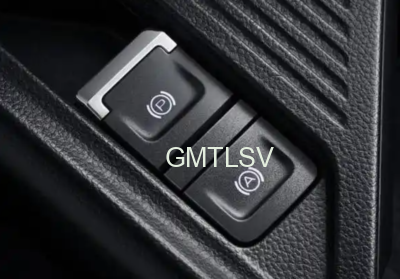
Fig 5. EPB
Practical Usage Scenario Analysis
In different golf course environments, the performance of various parking methods also varies:
Flat Courses: For most flat 18-hole standard courses, traditional mechanical parking is entirely sufficient. Handbrake or foot pedal parking is simple, reliable, and low-maintenance.
Hilly Terrain: If the course has many slopes, the advantages of electronic parking systems become apparent. Electromagnetic brakes and electronic calipers provide more stable parking force, preventing the vehicle from rolling.
Humid Environments: In rainy or damp areas, electronic parking systems may be more reliable as they have no mechanical parts prone to rust.
Extreme Temperatures: In high or low temperatures, mechanical parking is more reliable, while electronic systems may be affected by temperature variations.
Purchasing Recommendations
Based on my experience, here are a few purchasing suggestions:
- Consider Frequency of Use: If you only use the cart occasionally, traditional mechanical parking offers the best value. For frequent use, electronic parking provides a better experience.
- Evaluate Course Terrain: Choose mechanical parking for flat courses and electronic parking for hilly terrain.
- Budget Considerations: Mechanical parking is cost-effective, while electronic parking is more expensive but offers a superior experience.
- Maintenance Convenience: Consider local maintenance conditions. Electronic systems require professional technicians for repairs.
- Personal Preference: Some people prefer the direct feedback of mechanical operation, while others favor the convenience of electronic systems.
Conclusion
From the rugged handbrake lever to the refined electronic button, the evolution of parking methods in golf carts reflects technological progress. Each method has its unique appeal and suitable scenarios. For me, choosing a parking method is not just about selecting a feature but also about choosing a way to interact with the vehicle.
In today’s increasingly advanced technological landscape, electronic parking undoubtedly represents the future. Yet, the direct physical feedback of traditional mechanical parking—the sense of “man-machine unity—still holds an irreplaceable charm for me. Perhaps the best choice isn’t one or the other but finding the one that best suits your needs based on practical considerations.
After all, regardless of the parking method, the ultimate goal is to make our golfing experience safer and more comfortable. On this lush green course, every secure parking moment sets the stage for the next exciting drive.
