

Electric shuttle buses are becoming a common transportation solution for resorts, campuses, industrial parks, airports, and tourist attractions. As organizations look for cleaner and more efficient transportation options, many buyers start with one key question:
How much does an electric shuttle bus cost?
The price of an electric shuttle bus can vary widely depending on passenger capacity, battery type, configuration, and manufacturer. In this guide, we break down the typical electric shuttle bus cost in 2026 and explain the main factors that influence pricing.
Average Electric Shuttle Bus Cost
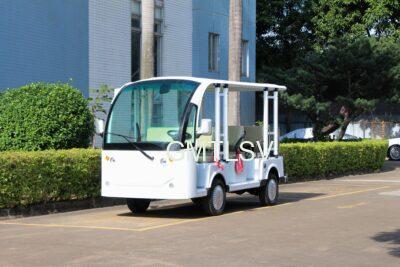
On average, the cost of an electric shuttle bus ranges between $5,500 and $20,000 for low-speed models commonly used in closed environments such as resorts, campuses, and tourist areas.
Here is a general overview of typical price ranges:
| Shuttle Bus Type | Passenger Capacity | Average Cost |
|---|---|---|
| Small electric shuttle bus | 8–11 passengers | $5,500 – $9,000 |
| Medium electric shuttle bus | 14 passengers | $9,000 – $12,000 |
| Large electric shuttle bus | 17–23 passengers | $12,000 – $20,000 |
For specialized or heavily customized vehicles, the price can exceed this range.
Compared with traditional diesel shuttle buses, electric models often have lower operating and maintenance costs, which can significantly reduce long-term expenses.
What Factors Affect Electric Shuttle Bus Cost?
Several technical and manufacturing factors determine the final price of an electric shuttle bus.
1. Battery Type
The battery is one of the most expensive components.
Two common battery types include:
Lead-acid batteries
-
Lower upfront cost
-
Shorter lifespan
-
Heavier weight
Lithium batteries
-
Higher initial price
-
Longer lifespan
-
Faster charging
-
Lower maintenance
Lithium batteries can increase the vehicle price by $2,000 – $5,000, but they often reduce long-term operating costs.
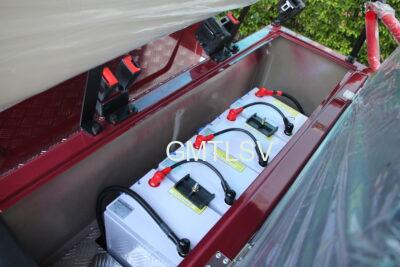
Generally, the electric sightseeing vehicles from GMTLSV come standard with maintenance-free colloidal lead-acid batteries, with options for capacities of 170Ah or even larger.
2. Passenger Capacity
As the number of seats increases, the vehicle requires:
-
Larger chassis
-
More powerful motors
-
Higher battery capacity
-
Stronger suspension systems
3. Motor Power
Electric shuttle buses typically use motors ranging from 5kW to 20kW. Voltage from 48V to 96V.
Higher power motors improve:
-
Hill climbing ability
-
Acceleration
-
Load capacity
4. Customization
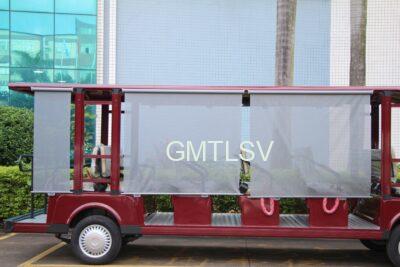
Many buyers request custom features such as:
-
Enclosed cabins
-
Air conditioning
-
Luxury seating
-
Advertising panels
-
Sightseeing roof designs
Customization can add $500 to $5,000+ depending on the configuration.
Maintenance Cost
Electric shuttle buses have fewer mechanical components than traditional vehicles.
This means lower maintenance costs because there is:
-
No engine oil
-
No fuel system
-
Fewer moving parts
Typical annual maintenance costs are often 30–50% lower than diesel shuttle buses.
Electric Shuttle Bus vs Diesel Shuttle Bus Cost
When comparing total cost of ownership, electric shuttle buses are often more economical over time.
| Cost Category | Electric Shuttle Bus | Diesel Shuttle Bus |
|---|---|---|
| Purchase price | Medium | Higher |
| Energy cost | Low | High |
| Maintenance | Low | Medium to High |
| Noise | Very low | High |
| Emissions | Zero | High |
Electric Shuttle Bus Price From Manufacturers
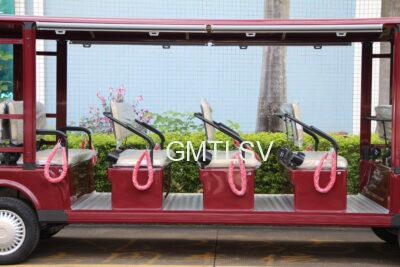
Many buyers choose to purchase directly from manufacturers to reduce costs and obtain customization options.
Professional manufacturers usually offer:
-
Multiple passenger configurations
-
Battery options
-
Custom body designs
-
Bulk order pricing
For example, GMTLSV is a manufacturer specializing in low-speed electric vehicles, including electric shuttle buses designed for resorts, tourist attractions, campuses, and industrial parks. Working directly with manufacturers allows buyers to configure vehicles according to their specific operational needs.
How to Choose the Right Electric Shuttle Bus
When evaluating electric shuttle bus cost, buyers should consider more than just the purchase price.
Important factors include:
-
Passenger capacity requirements
-
Daily operating distance
-
Battery type and charging time
-
Terrain conditions
-
Maintenance support
-
Manufacturer reliability
Choosing the right configuration can improve vehicle lifespan and reduce long-term operating expenses.
As more resorts, campuses, and tourist attractions adopt electric transportation, shuttle buses are becoming an increasingly practical and cost-effective solution.

