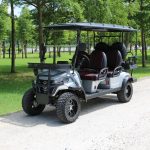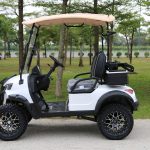
If you are researching golf carts made in China, chances are you are already aware of the potential advantages—competitive pricing, wide customization options, and large production capacity. At the same time, you may also feel overwhelmed. A simple online search returns hundreds of suppliers, all claiming to be “top manufacturers” or “factory direct.”
The real challenge is not finding options, but knowing which ones you can actually trust.
This guide is written for buyers who want to source golf carts from China with confidence. Based on real sourcing experience across multiple international markets, it focuses on the questions that matter most, the risks buyers often underestimate, and the practical steps that help avoid expensive mistakes.
Why China Dominates the Global Golf Cart Market
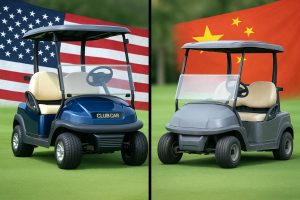
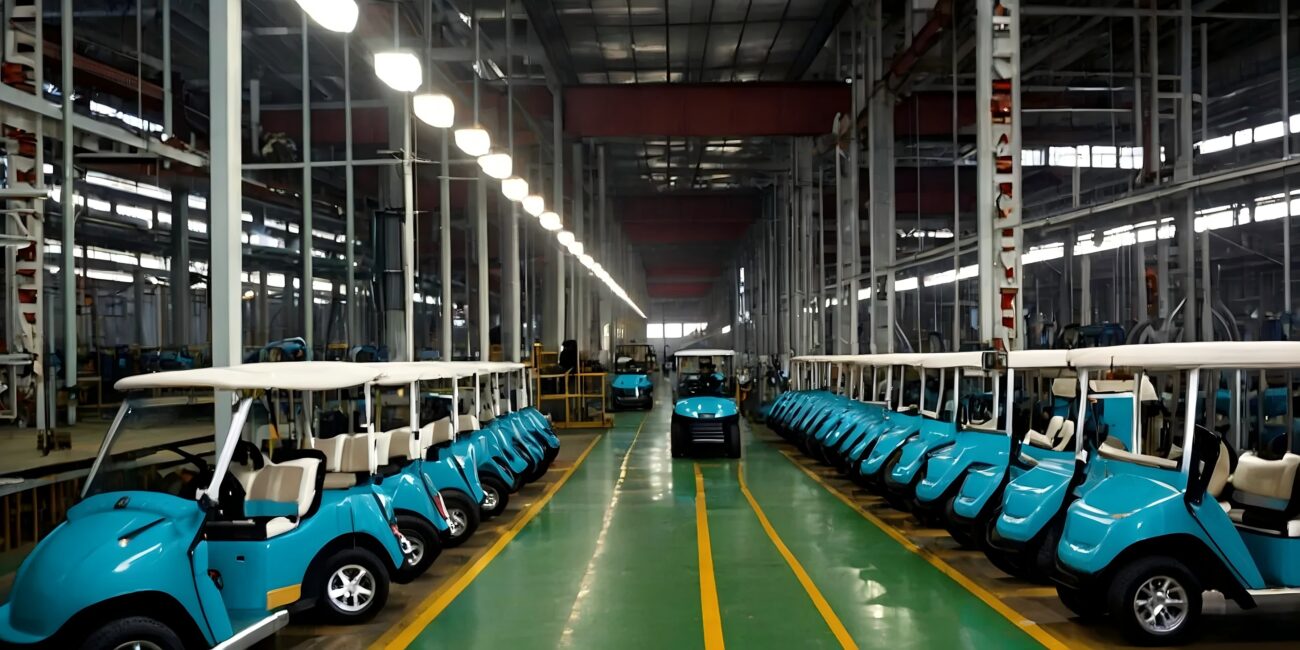
China’s position in the global golf cart industry is not accidental. Over the past decade, manufacturing clusters dedicated to electric vehicles and low-speed vehicles have matured rapidly. This has created a supply chain that is both deep and flexible.
For buyers, this means access to a wide range of configurations—from basic utility carts to fully customized passenger models—often at a cost that is difficult to match elsewhere. Components such as motors, controllers, batteries, and chassis systems are sourced locally, reducing lead times and enabling faster iteration.
However, scale and flexibility also mean variation. Not all factories operate at the same standard, which is why understanding how to evaluate suppliers is critical.
The Biggest Concerns When Buying Golf Carts Made in China — and How to Address Them
Quality Variance Is Real, but Manageable
One of the most common concerns about golf carts made in China is inconsistent quality. This concern is not unfounded, but it is often misunderstood.
The issue is rarely about capability; it is about process control. Buyers who rely solely on photos or generic brochures expose themselves to unnecessary risk. In contrast, experienced importers request factory audit videos, material specifications, and clear production standards before confirming an order.
Quality improves dramatically when expectations are documented, measurable, and verified before mass production begins.
Certification and Compliance Are Not Optional
Another critical concern is certification. Depending on the destination market, golf carts may require CE, LVD, EMC, or other regulatory approvals. These are not just paperwork—they determine whether your shipment clears customs or gets delayed indefinitely.
Responsible suppliers understand which certifications apply to which markets and can provide supporting documentation. Buyers should verify certificates directly rather than assuming they apply universally across all models.
Skipping this step often turns a “good price” into a very expensive lesson.
Communication and After-Sales Support Matter More Than You Think
Clear communication is often underestimated until something goes wrong. Time zone differences, technical misunderstandings, and vague commitments can quickly derail a project.
Professional manufacturers invest in international sales teams, English technical documentation, and structured after-sales processes. This becomes especially important when dealing with spare parts, maintenance guidance, or configuration adjustments after delivery.
Reliable communication is not a bonus—it is part of the product.
Your Step-by-Step Sourcing Blueprint
Sourcing golf carts made in China works best when approached systematically.
The process starts with defining your real needs. Usage environment, passenger capacity, terrain, battery preference, and budget all influence the right configuration. Vague requirements almost always lead to mismatched products.
Supplier evaluation should go beyond price. Look at years in operation, export experience, R&D capability, and documented certifications. Ask specific questions and pay attention to how clearly they are answered.
When requesting quotations, understand the difference between EXW and FOB pricing. Clarify what is included and what is not. Samples or pilot units are valuable, especially for first-time cooperation.
During production, periodic updates and pre-shipment inspections reduce surprises. Finally, plan logistics and customs clearance early to avoid last-minute delays.
Case Study: Supporting a Resort Fleet Upgrade
A golf resort in Southeast Asia approached us while evaluating golf carts made in China for a fleet upgrade. Their main concerns were passenger comfort, battery longevity, and reliable after-sales support.
The solution involved adjusting seating design for higher daily usage, selecting a battery configuration suitable for long operating hours, and preparing spare parts in advance to minimize downtime. As a result, the resort reduced operational interruptions and achieved measurable savings in maintenance costs within the first year.
This type of outcome is rarely achieved through price negotiation alone—it comes from alignment between product design and real-world usage.

Frequently Asked Questions About Golf Carts Made in China
What is the typical minimum order quantity?
Minimum order quantities vary, but many manufacturers are flexible for initial orders, especially for standard models.
How long does production usually take?
Production timelines depend on configuration and order size. Customization typically adds lead time, which should be planned into project schedules.
What payment terms are common?
Most transactions involve staged payments aligned with production milestones. Clear terms protect both buyer and supplier.
Sourcing With Clarity, Not Assumptions
Golf carts made in China offer real advantages for buyers who approach sourcing with preparation and realistic expectations. The key is not finding the cheapest option, but the right partner—one who understands compliance, communicates clearly, and delivers consistent quality.
When sourcing decisions are guided by structure rather than assumptions, importing from China becomes a strategic advantage rather than a risk.