When people search for good golf carts, they are usually not just looking for a brand name or a price. What they really want to know is:
-
Which golf carts are reliable?
-
What features actually matter in daily use?
-
How do you choose a cart that lasts, not just looks good?
In practice, a “good” golf cart is defined less by marketing claims and more by build quality, configuration match, and total cost of ownership.
This guide explains what makes a golf cart truly good—and how to evaluate options based on real-world applications.
1. What Does “Good Golf Carts” Mean in Practice?
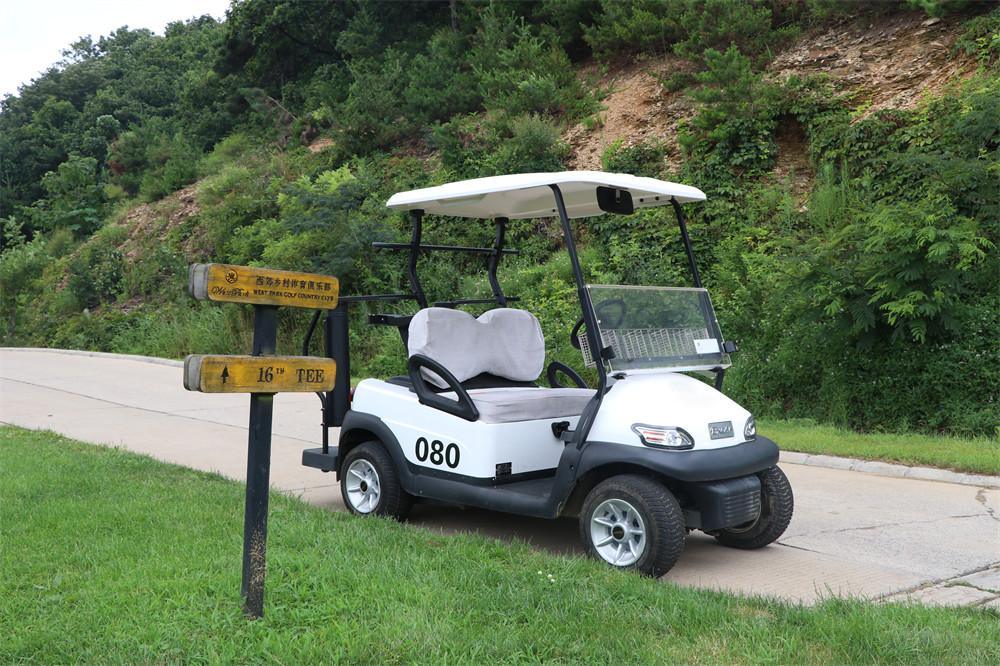
A good golf cart is one that performs consistently, safely, and economically in its intended environment.
Across golf courses, resorts, communities, and commercial sites, good golf carts typically share these traits:
-
Stable and durable chassis
-
Reliable electric drivetrain
-
Appropriate seating and load capacity
-
Low maintenance requirements
-
Easy access to parts and service
Rather than chasing the most features, experienced buyers focus on fit-for-purpose design.
2. Build Quality: The Foundation of a Good Golf Cart
2.1 Frame and Structure
High-quality golf carts use:
-
Reinforced steel or aluminum frames
-
Corrosion-resistant coatings
-
Well-balanced weight distribution
A solid frame directly affects ride comfort, safety, and lifespan—especially for fleet use.
2.2 Suspension and Braking
Good golf carts are designed to remain stable under load:
-
Independent or leaf-spring suspension tuned for passenger weight
-
Reliable braking systems that perform well even when fully loaded
These elements matter more than top speed in daily operation.
3. Electric Powertrain: Why Most Good Golf Carts Are Electric
Modern good golf carts are overwhelmingly electric due to:
-
Quiet operation
-
Lower operating costs
-
Fewer moving parts
-
Reduced maintenance downtime
Battery Choice Matters
-
Lead-acid batteries: Lower upfront cost, higher maintenance
-
Lithium batteries: Longer lifespan, lighter weight, better efficiency
For commercial users, lithium-powered carts often deliver the best long-term value.
4. Seating Capacity and Real Usage Fit
A common mistake is choosing a cart that is either too small or unnecessarily large.
| Application | Typical “Good” Configuration |
|---|---|
| Golf course | 2-seater or 2+2 |
| Resort / hotel | 4–6 seater |
| Gated community | 4-seater or LSV |
| Commercial site | Utility or shuttle cart |
Good golf carts match actual passenger demand, not maximum theoretical capacity.
5. Comfort and Ergonomics: Often Overlooked, Always Important
Comfort is not a luxury—it affects user satisfaction and operational efficiency.
Key comfort indicators of good golf carts include:
-
Well-padded, weather-resistant seating
-
Smooth acceleration and braking
-
Easy step-in height
-
Clear driver visibility
In hospitality environments, comfort directly impacts guest experience.
6. Safety and Compliance Considerations
For communities and public-road use, safety features define whether a golf cart is truly “good” or not.
Important safety elements include:
-
Headlights, brake lights, turn signals
-
Seat belts
-
Windshield and mirrors
-
Stable handling at regulated speeds
Many buyers evaluating good golf carts also consider LSV compliance depending on local regulations.
A helpful overview of what to look for when choosing a quality golf cart can be found in Yamaha’s official buying guide:
(This guide explains key factors such as usage scenarios, performance, and long-term ownership considerations.)
7. Operating Cost: The Hidden Test of a Good Golf Cart
A golf cart that looks good on day one but costs more every year is rarely a good investment.
Key cost factors include:
-
Battery replacement cycle
-
Energy efficiency
-
Maintenance frequency
-
Downtime and repair access
Good golf carts are designed to minimize total cost of ownership, not just purchase price.
8. How to Identify Good Golf Carts for Fleet or Project Use
Professional buyers often evaluate carts by asking:
-
Is the configuration matched to our environment?
-
Are components standardized for easy maintenance?
-
Can the cart operate reliably under daily load?
-
Is technical support and parts availability stable?
-
Does the design allow future upgrades?
If the answer is “yes” to most of these, the cart is likely a good long-term choice.
9. FAQ: Good Golf Carts
What are considered good golf carts?
Good golf carts are those that balance durability, efficiency, comfort, and operating cost for their intended use.
Are electric golf carts better than gas ones?
For most applications, yes. Electric carts are quieter, cleaner, and cheaper to operate.
Is a more expensive golf cart always better?
Not necessarily. A well-matched mid-range cart often outperforms an over-specified one in real use.
Final Thoughts
So, what makes good golf carts truly good?
It’s not about brand hype or the longest feature list. A good golf cart is one that fits its job, runs reliably every day, and keeps operating costs predictable over time.
For golf courses, resorts, communities, and commercial operators, choosing a well-designed electric golf cart is less about buying a vehicle—and more about investing in long-term operational efficiency.
By focusing on build quality, configuration fit, and lifecycle cost, buyers can confidently identify golf carts that deliver real value year after year.