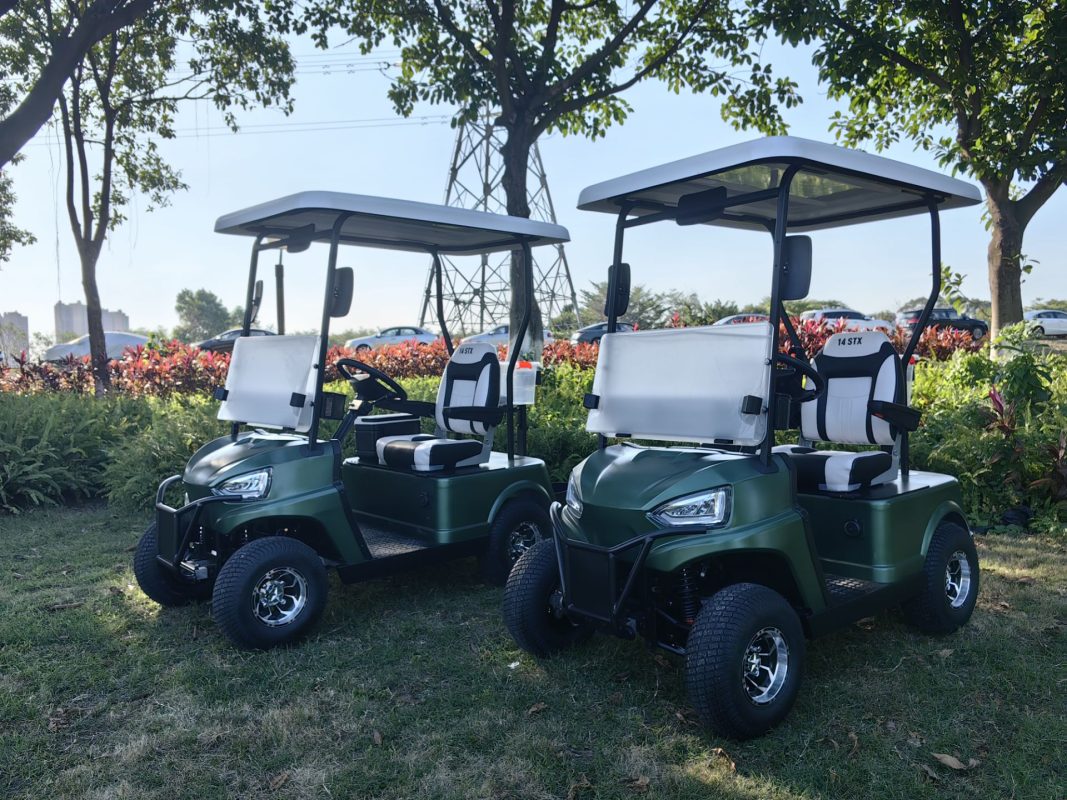
Modern electric golf carts are now widely used in various settings such as resorts, large communities, and industrial parks. Behind their quiet, zero-emission, and flexible characteristics lies a sophisticated system integrating electric drive, intelligent control, and mechanical transmission. This article provides an in-depth analysis of the core working principles of modern electric golf carts, explaining the technical details from pressing the accelerator pedal to smooth vehicle movement.
1. Power Core: Battery and Energy Management System
The energy for electric golf carts comes from the onboard battery pack. Currently, there are two main technological approaches in the market:
- Lead-Acid Batteries: Mature technology, lower initial cost, but heavier, longer charging time, and require regular maintenance (such as adding distilled water). Their cycle life is relatively shorter.
- Lithium Batteries: Have become the preferred choice for mid-to-high-end and new models. They are lighter, have higher energy density, charge faster, and require almost no maintenance. Lithium battery packs equipped with an Intelligent Battery Management System (BMS) enable precise charge/discharge control, temperature management, and cell balancing, significantly extending the overall battery life.
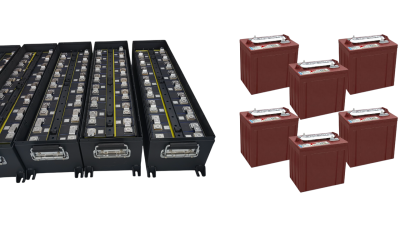
| Characteristic | Lead-Acid Battery | Lithium Battery |
|---|---|---|
| Cost | Lower initial cost | Higher initial cost |
| Lifespan | Shorter | Longer |
| Weight | Heavier | Lighter |
| Charging Time | Longer | Shorter |
| Maintenance Needs | Requires regular maintenance | Basically maintenance-free |
2. Drive Core: Motor and Controller
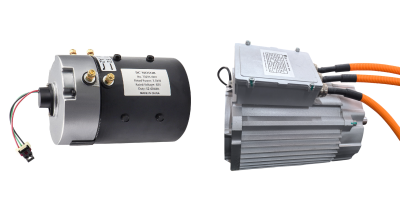
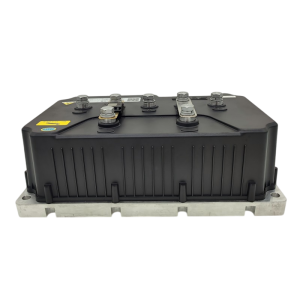
The electrical energy provided by the battery is distributed by the "brain" - the controller - to drive the motor and generate power.
- DC Motor: Relatively simple structure, provides good starting torque, cost-effective. However, it is relatively less efficient and may generate more heat during prolonged high-load operation.
- AC Motor: The trend in modern high-performance carts. It operates more efficiently, with lower noise, better durability, and provides smoother and broader speed control. The controller uses an inverter to precisely adjust the frequency of the AC, thereby achieving fine control over motor speed and torque.
The controller is the key hub. It adjusts the amount of current delivered to the motor based on the accelerator pedal signal. Advanced controllers also feature fault diagnosis, energy recovery coordination, and other functions.
3. Power Transmission: Drivetrain and Differential System
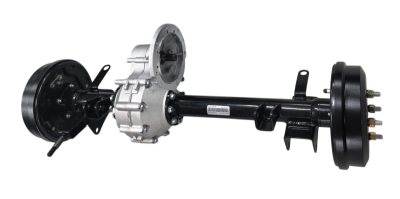
The high-speed rotational power generated by the motor needs to go through a reduction gear (usually integrated in the rear axle) to increase torque and reduce speed, meeting the vehicle's driving requirements.
- Differential: When the vehicle turns, the inner and outer wheels travel different distances. The differential allows the left and right drive wheels to rotate at different speeds, ensuring smooth turning and preventing tire wear and skidding.
- Drive Shaft and Half Shafts: Responsible for transmitting power from the reduction gear to the two drive wheels.
4. Control and Safety: Steering and Braking Systems
Steering System
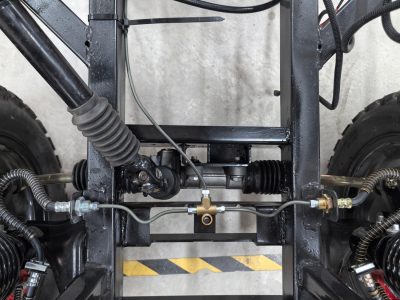
- Mechanical Steering: Relies purely on mechanical linkage between the steering wheel and wheels; reliable and durable but requires more steering effort.
- Electric Power Steering (EPS): Mainstream comfort feature. Uses a built-in motor to provide auxiliary torque, making steering very light and flexible, greatly enhancing the driving experience, especially during low-speed maneuvering or frequent turns.
Braking System
Modern electric golf carts typically use a composite braking strategy to ensure safety and efficiency.
- Regenerative Braking: During coasting or braking, the controller can switch the motor to act as a generator, converting vehicle kinetic energy into electricity to charge the battery while providing braking force. This effectively extends range and reduces wear on mechanical brake pads.
- Mechanical Brakes: Serve as the final safety measure, typically configured as front disc/rear drum or four-wheel disc brakes, providing reliable traditional friction braking. The parking brake is an essential safety device for parking.
5. Energy Replenishment: Charging and Intelligent Management
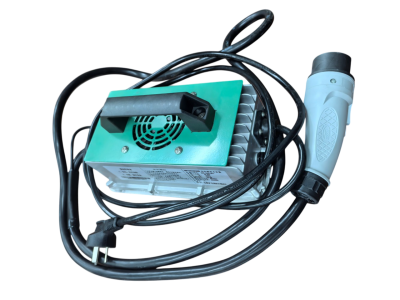
A dedicated charger converts AC mains electricity to DC suitable for battery charging. Smart chargers can automatically adjust the charging curve (e.g., constant current followed by constant voltage) based on battery status and automatically shut off when fully charged to prevent overcharging.
Charging time depends on battery capacity and charger power. Fast chargers can reduce waiting time but must be compatible with the battery technology. Future trends include integrating solar-assisted charging and more intelligent fleet charging management systems to optimize energy use.
6. Modern Features and Future Outlook
Beyond the core drive system, modern golf carts also integrate numerous features to enhance experience and management:
- Safety and Compliance Accessories: Headlights, turn signals, mirrors, seat belts, etc.
- Smart Connectivity Features: GPS fleet tracking systems, digital dashboards, Bluetooth audio, rearview cameras, etc., greatly improving vehicle management efficiency and passenger enjoyment.
Technology Evolution Direction
Moving towards higher efficiency, stronger intelligence, and deeper integration:
- Battery Technology: Continuous improvement in energy density, faster charging.
- Drive Systems: Higher efficiency permanent magnet synchronous motors, etc.
- Intelligence: Driver assistance systems, more advanced energy recovery strategies.
- Connectivity and Autonomous Driving: Low-speed autonomous driving applications on specific routes within closed campuses.
A modern electric golf cart is a refined fusion of power electronics, mechanical engineering, and intelligent software systems. Understanding how it works helps you make informed decisions when selecting, using, and maintaining one.
Whether updating a fleet for a golf course or procuring shuttle vehicles for a resort, choosing a manufacturer with deep understanding of these systems and capable of providing reliable, efficient, and customizable solutions is crucial.
Ready to Upgrade Your Golf Cart Fleet?
Get a personalized consultation on the best electric golf cart solutions for your specific needs. Our experts will help you choose the right technology configuration to maximize efficiency and minimize operational costs.
Get Your Free Consultation NowFrequently Asked Questions
Want to understand how specific technical configurations can meet your specific operational needs? We specialize in providing professional technical consultation and customized product solutions. Contact us to discuss your project requirements.