A golf cart is a significant investment, whether it’s for navigating the fairways, transporting guests at a resort, or providing convenient mobility within a community. A common question among buyers and fleet managers is: “How long can I expect my golf cart to last?” While the average lifespan is often cited as 10 years, the reality is that with the right choices and care, these versatile vehicles can reliably serve for 15, 20, or even more years.
At GMT Low Speed Vehicles (GMTLSV), we bring a manufacturer’s perspective to this question. Since 2012, we have specialized in engineering and assembling durable, pure electric low-speed vehicles for a global market. Our experience across diverse applications—from golf courses and tourism hospitality to campus transportation and commercial facilities—has shown us that lifespan is not left to chance. It is a direct result of initial build quality, proper component selection, and consistent maintenance. This guide will explore the key factors that determine longevity and how choosing a GMTLSV vehicle sets a foundation for extended, reliable service.
Part 1: The Core Factors That Determine Your Golf Cart’s Lifespan
The service life of a golf cart is influenced by a combination of built-in quality and operational practices. Understanding these factors empowers you to make better decisions.
1. Build Quality & Engineering (The Foundation)
This is the most critical, yet often overlooked, factor. A cart built with durable frames, corrosion-resistant materials, robust electrical systems, and quality-grade components will inherently withstand the test of time better than one built to a lower price point. As a manufacturer, GMTLSV is committed to using stable and reliable components, ensuring that every golf cart, sightseeing bus, or custom utility vehicle provides a solid platform for long-term use.
2. Power System: Electric vs. Gas & Battery Choice
-
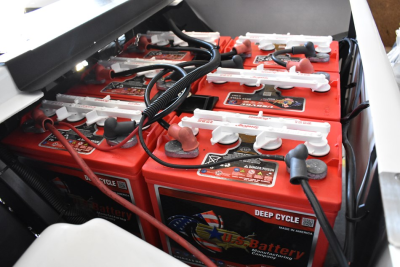
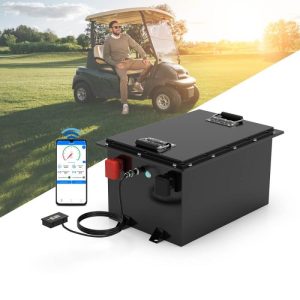
Electric Carts: Modern electric carts, like those exclusively offered by GMTLSV, are generally more durable due to fewer moving parts. There’s no internal combustion engine with complex mechanics prone to wear. The key longevity factor becomes the battery pack. As discussed in our ultimate battery guide, lithium-ion batteries offer a lifespan of 8-10 years with minimal maintenance, far outperforming traditional lead-acid batteries.
-
Gas-Powered Carts: While offering long range and quick refueling, they require more frequent maintenance (oil changes, filter replacements, engine tune-ups) and are subject to engine wear over time.
3. Usage Patterns & Operating Environment
-
Frequency & Load: A cart used daily for 8 hours in a resort will experience more wear than one used weekly on a personal estate. Similarly, consistently overloading a cart stresses the motor, brakes, and frame. Our modified models with cargo beds are reinforced for utility, while our enclosed mobility vehicles are designed for consistent passenger transport.
-
Terrain & Climate: Operating on hilly or rough terrain increases strain. Exposure to extreme heat, cold, coastal salt, or high humidity can accelerate corrosion and component fatigue. Choosing a vehicle designed for your specific main usage scenario is crucial.
4. The Non-Negotiable: Maintenance Regimen
Routine maintenance is the single greatest thing an owner can do to extend lifespan. This includes regular checks of brakes and tires, keeping the vehicle clean (especially of corrosive substances), and ensuring the electrical system and battery are serviced according to manufacturer guidelines.
Part 2: Proactive Strategies to Extend Your Golf Cart’s Life
Beyond choosing a well-built vehicle like a GMTLSV cart, these practices will maximize your investment:
1. Adhere to a Strict Maintenance Schedule
Follow the manufacturer’s recommended service intervals meticulously. For electric carts, this focuses on battery care, controller checks, and motor bearing inspection. GMTLSV provides clear guidelines and worry-free after-sales support to help partners and end-users maintain peak performance.
2. Master Battery Care (For Electric Carts)
-
Use a high-quality, smart charger and avoid letting batteries sit in a deeply discharged state.
-
Recharge after each use, even if not fully depleted.
-
For flooded lead-acid batteries, maintain proper water levels with distilled water.
3. Practice Responsible Operation
-
Avoid sudden starts and stops to reduce stress on the drivetrain.
-
Adhere to posted weight limits. Consider a heavy-duty model if your needs are consistently high.
-
Drive appropriately for the terrain; slow down on rough paths.
4. Implement Proper Storage
When not in use for extended periods:
-
Store in a cool, dry place away from direct sunlight and elements.
-
For electric carts, leave the batteries at a partial charge (around 50-70%) if using a non-maintaining charger.
-
Inflate tires to proper pressure to prevent flat spots.
5. Invest in Quality Upgrades & Protection
-
Upgrades: Modernizing with high-efficiency lithium batteries, better tires, or upgraded suspension components can rejuvenate an older cart and enhance durability.
-
Protection: Use weather enclosures, seat covers, and UV protectant for plastic parts to combat environmental wear.
Part 3: The GMTLSV Advantage: Engineered for Long-Term Durability
When you source a vehicle from GMTLSV, you are investing in a product designed with longevity as a core principle:
-
Diverse, Purpose-Built Models: We don’t believe in a one-size-fits-all solution. A cart designed for patrolling & security management has different durability needs than a vintage classic car for resort tours. Our range is engineered to meet the specific demands of each application.
-
Quality Assembly & Components: As an intermediate manufacturing enterprise, our focus is on durable components and stable, reliable vehicles. This foundational quality reduces long-term failure points.
-
Customization for Your Needs: We offer modified models—from ambulances and disability vehicles to room service carts. A vehicle that perfectly fits its task operates more efficiently and lasts longer.
-
Global Support Network: Our sales and support network spans North America, Australia, the Middle East, and beyond. This ensures access to parts, service expertise, and responsive communication, which is vital for maintaining any vehicle over a decade or more.
Conclusion: A Long-Term Partnership on the Road
The question, “How long do golf carts last?” ultimately has a two-part answer: It depends on the quality of the cart you start with, and the quality of the care you provide.
A well-maintained, high-quality electric golf cart from a reputable manufacturer like GMTLSV can easily provide 15-20 years of reliable service, with battery replacements being the primary major overhaul. By viewing your purchase as a long-term asset and partnering with a manufacturer committed to durability and support, you maximize your return on investment and ensure years of smooth, efficient operation.
Ready to invest in a low-speed electric vehicle built to last? Explore GMTLSV’s extensive catalog of durable, reliable vehicles designed for your specific business or personal needs at gmtlsv.com.