

Hey, fellow low-speed electric vehicle enthusiasts! Today, let’s talk about a topic that may seem boring but is super important—frame materials. Yes, we’re talking about the “skeleton” of your golf cart, lifted vehicle, or neighborhood shuttle. Hidden inside the body, it’s the key to whether your beloved ride is “light as a feather” or “steady as a rock“!
- Iron Man: The Traditional and Reliable “Heavyweight Contender”
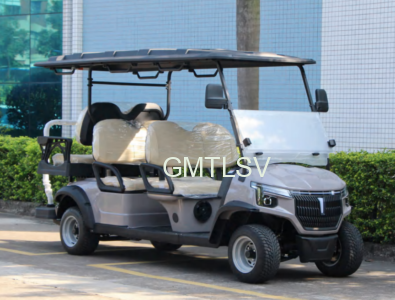
Material Characteristics:
Steel frames are like the bulky guys in the gym—sturdy, durable, and budget-friendly. They mainly come in two types: low-carbon steel and high-carbon steel. Low-carbon steel offers good weldability and toughness, making it the go-to choice for many entry-level low-speed electric vehicles. High-carbon steel is harder and more wear-resistant but also more challenging to process.
Advantages:
– High Strength: Can withstand heavy loads, whether carrying people or cargo.
– Low Cost: Mature manufacturing processes and easy repairs.
– Good Malleability: Easy to shape into complex designs.
Disadvantages:
– Heavy Weight: Affects range and handling agility.
– Prone to Rust: Requires proper anti-rust treatment, or it may become “rusty” in a few years.
Suitable Vehicles:
– Lifted Carts: Often used for carrying heavy goods or multiple passengers, where steel’s robustness shines.
– Budget-Friendly Commuter Carts: A reliable choice for those on a tight budget.
– Work Vehicles: Such as patrol carts or sanitation vehicles that require durability.
- Aluminum Alloy: The Light and Agile “Athlete”
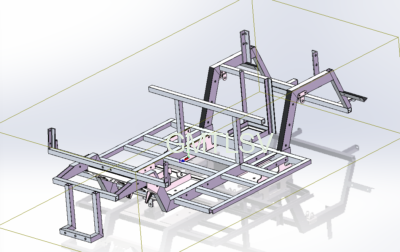
Material Characteristics:
Aluminum alloy frames are like sprinters on the track—lightweight, agile, and corrosion-resistant. Particularly, 6061 aviation-grade aluminum alloy, after heat treatment, gains significant strength and is favored for many mid-to-high-end models.
Advantages:
– Lightweight: About one-third lighter than steel, directly improving range.
– Corrosion-Resistant: Unfazed by rain, ensuring a longer lifespan.
– Good Heat Dissipation: Helps with battery and motor cooling.
Disadvantages:
– Higher Cost: Both raw materials and processing are more expensive than steel.
– Softer Material: Slightly less wear-resistant and prone to deformation under severe impact.
Suitable Vehicles:
– Golf Carts: Brands like GMT use aluminum frames for nimble movement on the course.
– High-End Commuter Carts: Ideal for users prioritizing comfort and range.
– Sightseeing Carts: Lightweight design enhances the riding experience.
- Magnesium Alloy: The Lightweight “Noble Contender”
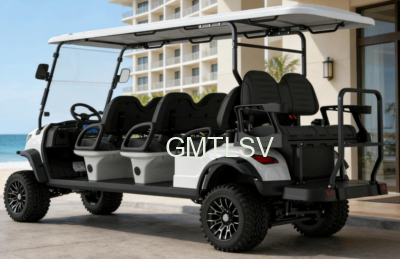
Material Characteristics:
Magnesium alloy is even lighter than aluminum, making it the true “king of lightweighting.” Its density is only two-thirds that of aluminum, yet its strength is comparable.
Advantages:
– Extreme Lightweight: Significantly reduces overall vehicle weight.
– One-Piece Design: Welding-free construction for a sleeker, sturdier look.
– Good Shock Absorption: Effectively absorbs road vibrations.
Disadvantages:
– High Price: Costs several times more than conventional materials.
– Challenging Processing: Requires specialized production techniques.
Suitable Vehicles:
– Competition Golf Carts: For those seeking speed and handling on the course.
– Customized High-End Models: A choice for users who want to showcase individuality.
– Special-Purpose Vehicles: For applications demanding extreme lightweighting.
- Carbon Fiber Composites: The Futuristic “Black Tech”
Material Characteristics:
Carbon fiber frames are like materials from the future—extremely strong, incredibly light, and highly design-flexible. Made from carbon fibers and resin composites, they can be shaped into various streamlined structures.
Advantages:
– Outstanding Strength-to-Weight Ratio: Five times stronger than steel yet much lighter.
– High Design Freedom: Enables complex shapes difficult to achieve with traditional metals.
– Excellent Fatigue Resistance: Less prone to cracking over long-term use.
Disadvantages:
– Sky-High Cost: Currently used mainly in high-end racing and concept vehicles.
– Difficult Repairs: Extremely costly to fix if damaged.
– Hard to Recycle: Environmental sustainability needs improvement.
Suitable Vehicles:
– Concept Show Cars: Platforms for automakers to showcase technological prowess.
– Top-Tier Custom Builds: “Art pieces” tailored for affluent enthusiasts.
– Future Possibilities: May enter the high-end civilian market as costs decrease.
- Composite Material Hybrid Solutions: The Smart “Combo”
More manufacturers are now playing the “material mix-and-match” game. For example, using steel for the front suspension to ensure strength, aluminum for the main beams to reduce weight, or incorporating carbon fiber-reinforced plastic (CFRP) in key areas while using traditional materials elsewhere.
This “hybrid lightweighting” strategy balances cost and performance, making it the most pragmatic approach today.
Shopping Tips for Fellow Riders
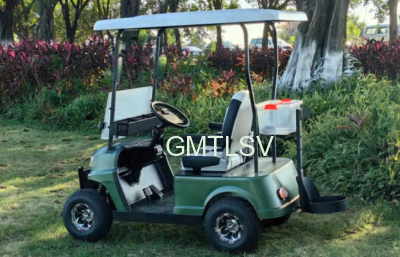
- Choose Materials Based on Use
– Daily commuting or errands: Aluminum alloy offers the best balance. Like the G1A\G1P.
– Hauling goods or low prices: Steel is more reliable.
– Golf course use or agility-focused riding: Aluminum or magnesium alloys are optimal.
– Unlimited budget and personalized style: Consider carbon fiber customization.
2.Judge Quality by Craftsmanship
Regardless of the material, good craftsmanship is crucial. Features like fully robotic welding and automotive-grade electrophoretic coating + powder coating can significantly extend frame life. Don’t hesitate to ask sales staff about these details.
Future Trends: Lighter, Stronger, Greener
As materials science advances, low-speed electric vehicle frames will evolve in three directions:
Lighter: New materials will continue to reduce weight.
Stronger: Structural optimization and material composites will enhance strength.
Greener: Recyclable and bio-based materials will become new focal points.
Finally, here’s a pro tip: Next time you’re shopping for a vehicle, don’t just focus on the looks and features—ask the salesperson, “What material is the frame made of?” This is a key question that will affect your riding experience for years to come!
What material is your low-speed electric vehicle’s frame made of? Feel free to share your experience in the comments!

