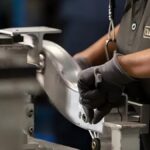
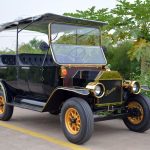
When buyers search for yamaha golf cart factory or ez go factory, they usually want more than a location. Most readers want to understand how these brands build their golf carts and why their manufacturing systems matter.
Factory structure affects durability, consistency, and long-term operating cost. For fleet buyers and distributors, these factors often matter more than exterior design or feature lists.
This article explains how Yamaha and EZ-GO manufacture their golf carts and what buyers can learn from their factory models.
Why Golf Cart Factories Matter to Buyers
A golf cart may look simple, but its reliability depends on how it is built. Frame preparation, component selection, and quality checks all happen inside the factory.
A strong manufacturing process reduces variation between units. It also improves performance over years of daily use. This is why factory-level insight helps buyers make better decisions.
Inside the Yamaha Golf Cart Factory System
The Yamaha golf cart factory system reflects Japanese manufacturing principles. Yamaha focuses on precision, consistency, and process control.
Engineers define strict assembly standards. Workers follow fixed procedures at each stage. This approach limits variation between carts.
Yamaha also applies conservative innovation. The company introduces new technology only after extensive testing. This method reduces risk and improves long-term reliability.
Buyers who value mechanical stability often prefer this manufacturing style.

Inside the EZ-GO Factory and Its Manufacturing Model
The EZ-GO factory system follows a different logic. EZ-GO prioritizes scalability and production efficiency.
Factories use modular assembly lines. Each module follows a standardized workflow. This structure supports large-volume orders and predictable lead times.
EZ-GO’s production model works well for fleet buyers. It allows faster delivery during peak demand periods. It also ensures consistency across large orders.
This approach suits customers who need volume and schedule certainty.
Yamaha vs EZ-GO: Factory-Level Comparison
Yamaha and EZ-GO both operate high-quality factories, but their priorities differ.
Yamaha focuses on engineering discipline and long-term durability. Its factory system reduces variation and supports extended product life.
EZ-GO emphasizes output efficiency and modular production. Its factories support fast scaling and consistent fleet delivery.
Neither model is superior in all cases. The best choice depends on usage intensity, order size, and delivery requirements.
What Buyers Can Learn from These Factory Models
Factory strategy shapes product behavior over time. Engineering-driven factories often deliver stable performance. High-efficiency factories excel at volume consistency.
Buyers evaluating other manufacturers can use these models as benchmarks. This includes OEM suppliers and overseas factories.
Understanding factory logic helps buyers balance durability, speed, and cost.

Frequently Asked Questions About Yamaha and EZ-GO Factories
Where are Yamaha golf carts manufactured?
Yamaha produces golf carts through a controlled manufacturing system influenced by Japanese engineering standards. The focus remains on consistency and long-term reliability.
Where is the EZ-GO factory located?
EZ-GO operates manufacturing facilities in the United States. These factories support large-scale and modular production.
Does factory location determine golf cart quality?
Process control matters more than location. Strong engineering standards and quality systems define product quality.
Understanding the yamaha golf cart factory and ez go factory systems offers valuable insight into how leading brands maintain consistency and reliability at scale. Factory design, production philosophy, and quality discipline are often the real differentiators behind long-term performance.
For buyers comparing established brands or evaluating alternative manufacturing sources, looking beyond surface specifications to factory-level strategy can lead to better-informed decisions and fewer surprises over the life of the vehicles.
As the golf cart industry continues to evolve, manufacturing excellence will remain a key factor separating trusted brands from short-term solutions.