The price of a seemingly simple "four-wheel sofa" is often surprising, even exceeding many people's first car. This is not due to some secret engine but rather the value logic shaped by product positioning, manufacturing costs, technological iteration, and market demand. This article will analyze layer by layer to uncover the secrets behind the price tag of golf carts.
Core Positioning: From Course Tool to Premium Leisure Asset
The primary reason for the high price of golf carts lies in the evolution of their fundamental positioning. They have long surpassed being mere transportation tools to become an integral part of the experience in the premium sport of golf and are gradually penetrating into high-end communities, resorts, and other scenarios.
Experience First
To provide a smooth, quiet riding experience on the course, their design must balance low noise, high durability, and reliable performance, which directly increases manufacturing costs.
Asset Attributes
As assets for golf clubs, resorts, or high-end communities, their durability, brand image, and maintenance costs are important considerations in procurement, not just pursuing the lowest price.
Diversified Needs
Wide applications in private estates, large scenic areas, airports, etc., require stronger adaptability, customized functions, and stricter safety standards, further enhancing their value proposition.
Detailed Price Composition: Where Does Your Money Go?
The cost of a mid-range golf cart is roughly distributed as follows, explaining the basis of its price:
Power System 30-40% of cost
This is the core cost component. Especially the lithium-ion battery pack and efficient motor control system, which determine the vehicle's range, performance, and reliability. Upgrading to lithium batteries usually means significant cost increases but also brings longer lifespan and better performance.
Frame and Body 20-25% of cost
To cope with varied terrain and weather, high-quality materials are indispensable, such as lightweight aluminum alloy frames and anti-corrosion coatings, ensuring structural integrity for long-term use.
Electronics and Control Systems 15-20% of cost
Modern golf carts are increasingly intelligent, integrating GPS navigation, digital dashboards, smart charging management, and even driving assistance functions. These electronic additions enhance convenience and safety while increasing cost and complexity.
Brand Premium and Marketing 10-15% of cost
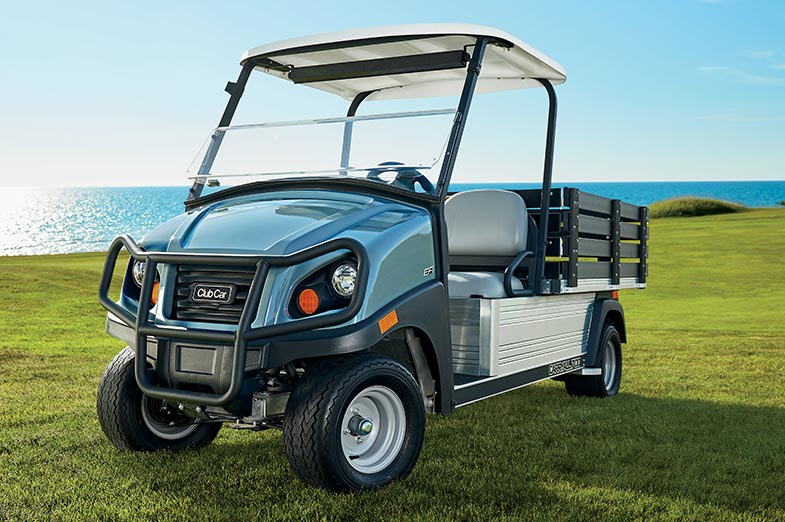
Leading brands like Club Car, Yamaha, and EZGO include long-term R&D investment, market cultivation, after-sales service systems, and the credibility assurance brought by the brand in their prices.
Main Premium Brand Value Interpretation
Different brands support their pricing with unique advantages:
Club Car
Renowned for exceptional durability and leading technology, its all-aluminum body frame and refined manufacturing processes ensure extremely long service life and high residual value, justifying long-term investment.
Yamaha
Leveraging its deep vehicle manufacturing experience, it excels in balancing performance and reliability, providing smooth driving experience and enduring quality.
EZGO
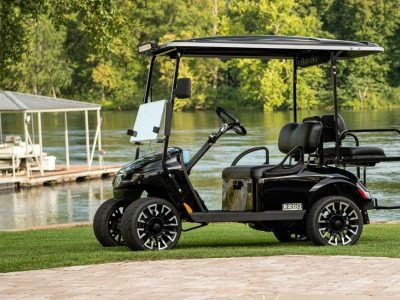
Focuses on riding comfort and high customization, offering rich accessories and configuration options to meet personalized user needs, paying for user experience in specific scenarios.
Regulatory Compliance and Diversified Applications: Invisible Cost Drivers
Regulatory Requirements
In areas where road use is permitted, golf carts must be equipped with lights, mirrors, seat belts, turn signals and other road safety equipment, and meet specific emission or safety standards. These compliance modifications increase costs.
Application Scenario Expansion
When carts are used for patrol, freight, or large venue transportation, they need stronger suspension, additional seats or cargo beds, and higher climbing ability. This engineering design for multifunctionality makes them more than basic models, naturally driving up prices.
Finding More Cost-Effective Solutions: The Chinese Manufacturing Perspective
Facing high prices, many buyers are turning to the global manufacturing hub - China. Sourcing golf carts from China can be a way to obtain cost-effective solutions.
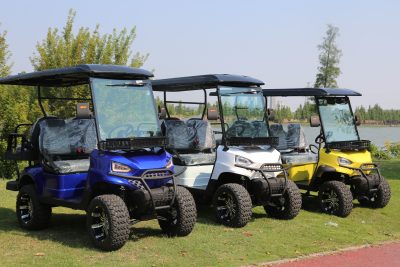
Advantages Include:
- Supply Chain and Cost Advantages: China has a complete electric vehicle supply chain with significant scale cost advantages in batteries, motors, and body manufacturing.
- Customization Flexibility: Chinese manufacturers can usually respond more flexibly to customer customization needs, from exterior colors to functional configurations, offering more cost-effective personalized solutions.
- Rapid Technological Iteration: Chinese manufacturers quickly follow up on lithium battery applications, smart connectivity functions, etc., offering modern configurations at more competitive prices.
Factors to Consider:
Although the factory price may be more attractive, the total cost of ownership must also include international logistics, import tariffs, destination country certification costs, and the establishment of local after-sales support networks. For commercial customers with bulk purchases, these additional costs, when amortized, often still demonstrate significant total cost advantages.
Conclusion and Action Guidance
The price of golf carts is a comprehensive reflection of complex engineering, premium materials, brand value, compliance requirements, and multifunctionality. It is not just a vehicle but a professional asset optimized for specific scenarios and experiences.
When making a purchase decision, the key is to balance budget with long-term value. If you pursue ultimate brand credibility, worry-free local after-sales service, and immediate availability, traditional premium brands are reliable choices. If you are cost-sensitive, have bulk purchase needs, or seek highly customized solutions, then exploring quality products from Chinese manufacturers that meet international standards is undoubtedly a wise direction worth in-depth evaluation.
Looking for reliable and cost-effective golf cart solutions for your course, resort, or commercial project?
We specialize in connecting global clients with quality manufacturing resources. Contact us to get product solutions and transparent quotes tailored to your specific needs.
Contact Us for Custom QuoteFrequently Asked Questions
Basic gas-powered golf carts start around $5,000-$7,000, while electric models typically range from $6,000-$10,000. Premium models from brands like Club Car can cost $10,000-$15,000 or more, with customizations and lithium batteries pushing prices even higher. Commercial-grade or street-legal models with additional features can exceed $20,000.
Many Chinese manufacturers produce golf carts that meet international quality standards. Reliability varies by manufacturer, so it's important to research suppliers carefully, request certifications, check references, and consider warranty terms. Reputable Chinese manufacturers often use the same components (motors, controllers, batteries) as Western brands but at lower costs due to supply chain advantages.
Traditional lead-acid batteries typically last 4-6 years with proper maintenance, while lithium-ion batteries can last 8-12 years or longer. Lithium batteries cost 2-3 times more upfront but offer longer lifespan, faster charging, lighter weight, and require less maintenance, making them more cost-effective over the long term.
This varies by jurisdiction. Many areas allow golf carts on public roads with speed limits of 35 mph or lower, but they must be equipped with safety features like headlights, turn signals, mirrors, seat belts, and sometimes a vehicle identification number (VIN). Some states require registration, insurance, and a driver's license. Always check local regulations before using a golf cart on public roads.
LSV (Low-Speed Vehicle) and NEV (Neighborhood Electric Vehicle) are terms for street-legal electric vehicles with maximum speeds of 20-25 mph. LSVs typically require more safety features and can be driven on roads with speed limits up to 35 mph. NEVs are similar but may have different regulations depending on the state. Both require registration, insurance, and standard automotive safety equipment.
Annual maintenance costs typically range from $200-$500 for electric models and $300-$700 for gas models. This includes battery maintenance/charging system checks, tire inspections, brake adjustments, and general cleaning. Major expenses like battery replacement ($800-$2,000 for lead-acid, $2,000-$4,000+ for lithium) occur every few years. Regular maintenance significantly extends the lifespan of your golf cart.