

The shift happened faster than anyone predicted. Back in 2020, lithium batteries for golf carts were still considered a premium upgrade. Expensive. Niche. Something for enthusiasts with deep pockets.
Now? It’s basically the default. Around 72% of new golf cart owners are choosing lithium models over lead-acid. And honestly, once you understand why, the old technology feels almost prehistoric. LiFePO4 batteries have completely transformed what a golf cart can do. More range. More power. Less weight. Zero maintenance. GMTLSV and other manufacturers have built their entire golf cart lineups around this technology because it just makes sense.
This guide covers everything you need to know before buying. Which batteries actually perform. Which ones are overpriced. How to match the right battery to your specific cart. Whether you’re upgrading an aging EZGO or spec’ing out a new utility vehicle, the information here will save you money and headaches.
Why Upgrade to Lithium Batteries for Your Golf Cart?
Golf carts aren’t just for golf anymore. That’s the big shift nobody saw coming.
Retirement communities use them as primary transportation. Resorts shuttle guests around sprawling properties. Warehouses and commercial facilities run fleets of utility carts all day long. GMTLSV builds everything from classic golf carts to sightseeing buses to vintage-styled vehicles, and they all need batteries that can keep up with real-world demands.
Lead-acid technology was fine when carts puttered around 18 holes and sat in the garage the rest of the week. But daily drivers need something better. People want to run errands, visit neighbors, commute to the clubhouse. They want their cart ready to go without babysitting battery levels or adding water every month.
The cost argument used to favor lead-acid. Not anymore. When you factor in replacement cycles, maintenance, and energy efficiency, lithium wins over any reasonable ownership period. The upfront price is higher. The decade-long cost is lower. Math doesn’t lie.
1. Longer Lifespan & Cycle Life
Here’s the number that matters most: LiFePO4 batteries deliver 3,000 to 5,000+ charge cycles. Lead-acid gives you 300 to 500 cycles if you’re lucky.
Do the math. Lithium batteries last 8 to 12 years under normal use. Lead-acid needs replacement every 2 to 3 years. You’ll buy four or five sets of lead-acid batteries in the time one lithium pack keeps running.
That’s $1,500 to $2,000 in savings over a decade. Probably more when you count the hassle of disposal, installation labor, and the inevitable time your cart sits dead waiting for new batteries.
The cycle life advantage compounds with heavy use. Commercial fleets charging daily burn through lead-acid fast. Lithium barely notices.
2. Superior Weight Reduction
This one surprises people. Lithium batteries weigh about 70% less than lead-acid equivalents.
We’re talking 70 to 120 pounds for a lithium pack versus 400 to 700 pounds for lead-acid. That’s not a small difference. That’s removing an invisible 420-pound passenger from the back seat.
What does weight reduction actually do? Better acceleration. Improved hill climbing. Less strain on your motor and drivetrain. Higher achievable top speeds. Longer tire life. Better handling.
Your cart was engineered to carry batteries plus passengers plus cargo. Remove 400 pounds of battery weight and suddenly you’ve got capacity for actual passengers and cargo. Or just a cart that feels lighter and more responsive.
3. Faster Charging Times
Lead-acid batteries need 8 to 12 hours for a full charge. Lithium takes 4 to 5 hours. Sometimes less.
But the bigger deal is partial charging. Lithium doesn’t care if you top it off during a lunch break. No memory effect. No damage from incomplete cycles. Plug in for an hour, grab another 20% charge, keep going.
Lead-acid hates partial charging. Sulfation builds up. Battery life shortens. You’re supposed to run it down and charge it full every time.
For commercial operations, faster charging means less downtime. Your fleet stays productive. For personal use, it means flexibility. Forgot to charge last night? Plug in while you eat breakfast and you’ll have enough for your morning errands.
Charge efficiency matters too. Lithium runs around 98% efficient. Lead-acid wastes 15 to 30% of the energy you pump into it as heat. Your electric bill notices.
4. Consistent Power Output
This is the one that changes how the cart actually feels.
Lead-acid batteries experience voltage sag. As they discharge, voltage drops. By the time you’re at 50% charge, you’ve lost 20 to 30% of your power. Hills get harder. Acceleration gets sluggish. The cart feels tired.
Lithium maintains full power output until about 95% discharge. The cart at 10% battery feels the same as the cart at 90% battery. Same acceleration. Same hill climbing. Same top speed.
It’s a completely different riding experience. You stop thinking about battery level because it doesn’t affect performance until you’re basically empty.
5. Zero Maintenance Requirements
Lead-acid batteries need regular attention. Water levels checked monthly. Terminals cleaned of corrosion. Equalization charging cycles. Storage procedures to prevent sulfation.
Forget any of that and battery life suffers. Sometimes dramatically.
Lithium batteries are sealed. There’s nothing to check. Nothing to fill. Nothing to clean. Install them and forget about them until you sell the cart a decade later.
The maintenance savings add up to $50 to $100 yearly in supplies and time. More importantly, there’s no risk of killing expensive batteries because you forgot to check water levels during a busy month.
6. Extended Driving Range
Expect 40 to 70 miles per charge with lithium, depending on terrain and driving style. Flat ground and conservative speeds get you toward the high end. Hills and heavy loads push you toward the low end. Figure 50 miles as a reasonable middle ground.
Lead-acid maxes out around 30 to 40 miles. Usually less as the batteries age.
The range difference comes from energy density. Lithium stores more power in less space and less weight. Same size battery compartment, more usable energy.
For most golf cart uses, range anxiety disappears entirely with lithium. You charge once a day or less. The cart is always ready when you need it.
7. Environmental Benefits
LiFePO4 chemistry is non-toxic. No lead. No acid. No heavy metals causing environmental damage at end of life.
Lithium batteries are recyclable. The materials have value. Recycling infrastructure continues improving as electric vehicles drive demand for battery material recovery.
Higher efficiency means less energy consumption overall. Your carbon footprint shrinks even if your electricity comes from fossil fuels.
For operations prioritizing sustainability, lithium aligns with green goals. GMTLSV’s electric vehicle mission makes environmental sense partly because the battery technology supports it.
Understanding LiFePO4 Battery Chemistry
Not all lithium batteries are the same. Your phone uses different chemistry than a Tesla. Golf cart applications have specific needs that make LiFePO4 the clear winner.
Lithium Iron Phosphate (the “Fe” and “PO4” give it the name) offers characteristics that matter for golf carts. Thermal stability. Safety. Longevity. The chemistry handles high discharge rates and frequent cycling without degrading quickly.
Other lithium chemistries like NMC (nickel manganese cobalt) or standard lithium-ion cells work great for certain applications. Golf carts aren’t one of them. The abuse profile is wrong. Temperature ranges are wrong. Cycle requirements are wrong. LiFePO4 fits.
What Makes LiFePO4 Superior?
Thermal stability is the headline feature. LiFePO4 cells remain stable at temperatures that would cause other lithium chemistries to become dangerous. The crystal structure of lithium iron phosphate doesn’t break down under high load or elevated temperatures.
This makes LiFePO4 far safer than standard lithium-ion. Non-flammable. UL-certified. You’re not sitting on a fire risk.
The chemistry handles deep discharge cycles without significant degradation. Golf carts regularly run batteries down to 20% or lower. LiFePO4 doesn’t mind. NMC cells would age faster under similar use patterns.
For golf cart applications specifically, LiFePO4 has become the standard because nothing else matches its combination of safety, longevity, and performance under real-world conditions.
Safety Features & BMS Technology
The Battery Management System is the brain of any lithium battery pack. Without a good BMS, even excellent cells become dangerous or die prematurely.
A proper BMS monitors every cell individually. It prevents overcharging. Prevents over-discharging. Prevents overheating. Catches short circuits before they cause damage.
For golf cart applications, look for a minimum 200A continuous discharge rating on the BMS. Lower ratings can’t handle the current demands during acceleration or hill climbing.
Cell balancing is another critical BMS function. Cells naturally drift apart in voltage over time. The BMS equalizes them during charging and discharging, ensuring the pack performs as a unit rather than being limited by its weakest cell.
2026 models increasingly include Bluetooth monitoring. Check cell voltages, state of charge, and system health from your phone. Useful for diagnosing issues early.
Temperature Performance
Premium LiFePO4 batteries operate from -20°F to 120°F. That covers most conditions anywhere in the country.
Cold weather performance matters if you’re in northern states. LiFePO4 handles low temperatures better than other lithium chemistries, though capacity decreases somewhat below freezing.
Self-heating cells are becoming more common in quality batteries. Built-in heaters warm the pack before charging in cold conditions, protecting cells from damage that occurs when charging below freezing.
Extreme heat is less of a concern. LiFePO4’s thermal stability handles Arizona summers without the degradation other batteries experience.
Top 5 Best Lithium Batteries for Golf Carts in 2026
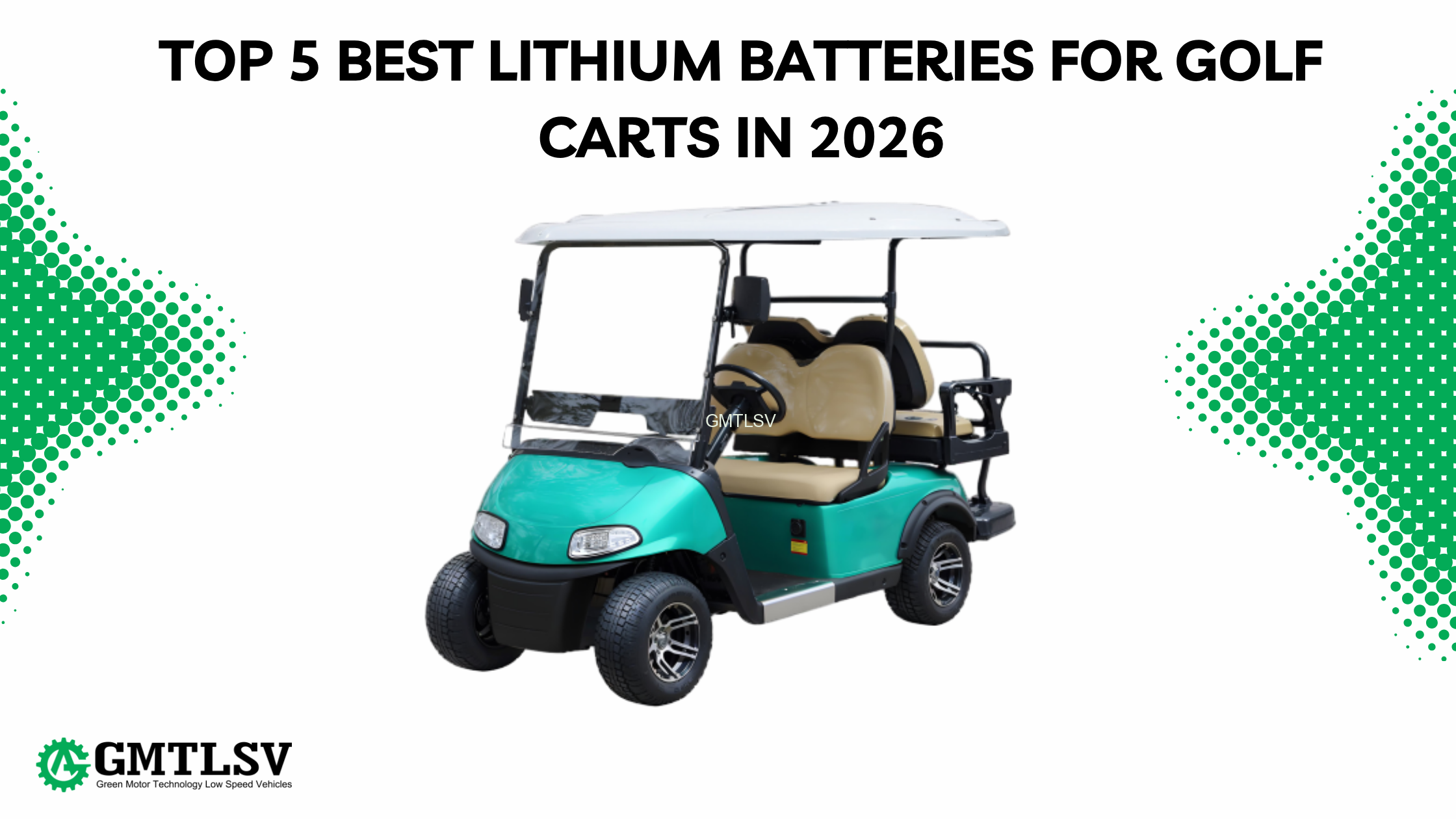
After analyzing the leading brands and pulling test results from industry experts who’ve helped over 11,200 customers convert to lithium, these five stand out.
Selection criteria: cycle life ratings, BMS quality, warranty terms, ease of installation, and overall value. Some batteries test well but install poorly. Others install easily but use inferior cells. These five get the important stuff right.
1. ECO Battery – Best Overall Performance
ECO Battery has earned its reputation as the industry leader. The 10+ year warranty backs it up.
What sets ECO apart is the “Thru Hole” design. Most compact installation on the market. Fits more cart models than any competitor without modification. The black metal battery case looks professional and protects the cells.
BMS performance is superior to most competitors. Handles high current demands without drama. Monitors and balances cells reliably.
Available in 36V, 48V, and 72V configurations. Whatever your cart needs, ECO makes it.
Best for: Users wanting premium quality combined with the easiest possible installation. If budget allows and you want the best, this is it.
2. BOLT Energy USA – Best for DIY & Performance
BOLT made waves by offering a Limited Lifetime Warranty. First in the industry to do it. That’s confidence.
Developed with EKT battery experts, BOLT packs are built for performance applications. The built-in heater handles all-weather operation, including cold climates that challenge other batteries. These things can handle forklift-level demands.
High-output capability makes BOLT popular with riders who’ve upgraded motors or want maximum performance. Expect 30 to 50 mile range depending on configuration and 8 to 12 year lifespan.
Best for: Performance enthusiasts who want maximum capability and DIY installers comfortable with electrical work.
3. ALLIED Battery RS Series – Best Value
ALLIED hits the sweet spot between quality and price. The 8-year warranty provides security without premium pricing.
The 105Ah RS Series capacity works perfectly for most golf cart applications. Enough range for daily use without overpaying for capacity you’ll never need.
Upgraded BMS includes an internal solenoid and the standard “wake up” dash button that ALLIED is known for. Available in 36V, 48V, and 72V options.
LiFePO4 chemistry with 3,500+ cycle rating and excellent thermal stability. Nothing exotic, just solid engineering at a fair price.
Best for: Budget-conscious buyers who want reliable quality without paying for features they don’t need.
4. Dakota Lithium – Best for Extreme Conditions
Dakota Lithium was born in North Dakota. They know cold weather.
Operating range spans -20°F to 120°F. Military-grade cells handle abuse that would kill lesser batteries. If you’re running carts in extreme climates or demanding environments, Dakota builds for your conditions.
Twice the power of traditional batteries at half the weight. The performance-to-weight ratio is excellent.
Durability focus means these batteries handle vibration, temperature swings, and rough treatment without complaint.
Best for: Extreme weather conditions and demanding commercial or utility environments.
5. RELiON InSight 48V – Best Drop-In Replacement
RELiON designed the InSight specifically for golf carts. Not adapted from another application. Purpose-built.
IP65 waterproof rating matters for carts stored outside or used in rain. Most competitors don’t match this protection level.
True drop-in replacement means minimal modification to your cart. Engineering focused on making installation foolproof.
Quality engineering throughout. RELiON has been in the lithium battery business for years and understands what golf cart applications demand.
Best for: Humid or rainy environments and users wanting the most hassle-free installation possible.
How to Choose the Right Battery for Your Golf Cart Model
Compatibility matters more than brand preference. The best battery in the world is useless if it doesn’t fit your cart or work with your electrical system.
EZGO Golf Carts
EZGO models split between 36V and 48V systems. Older TXT models typically run 36V. RXV models and newer TXT variants use 48V.
Popular conversions include EZGO RXV to 48V lithium and EZGO TXT to either 36V or 48V lithium depending on original configuration.
First step: verify your model year and existing voltage. Check the battery compartment or look at how many batteries you currently have and their voltage.
Top compatible batteries for EZGO include ECO, ALLIED, and BOLT. All three offer EZGO-specific installation kits.
Controller considerations apply to some older models. The stock controller may need adjustment or replacement to handle lithium’s different charge profile. Newer EZGO carts typically work without modification.
Club Car Golf Carts
Club Car predominantly uses 48V systems. Precedent, Onward, and Tempo models are all 48V. Some older DS models run 36V.
Club Car-specific installation kits are available from most major battery manufacturers. These include mounting hardware, cables, and any adapters needed for a clean install.
Motor type affects battery choice more on Club Cars than other brands. Series motors behave differently than separately excited motors. Know which you have before selecting a battery and configuring the system.
Popular options exist for Club Car Precedent specifically, the most common model for lithium conversion.
Always check year-specific compatibility. Club Car made various changes over the years that affect fitment.
Yamaha Golf Carts
Yamaha carts are commonly 48V. Drive, Drive2, and G29 models all run 48 volts. Older G-series carts may be 36V.
Yamaha-specific converters are sometimes needed depending on model year and original configuration. The electrical system has quirks that differ from EZGO and Club Car.
Compatible battery brands offer Yamaha installation kits addressing these differences. ECO, BOLT, and ALLIED all have Yamaha-specific solutions.
Verify your voltage and confirm charger compatibility before purchasing. Yamaha’s onboard chargers may need replacement or reprogramming for lithium.
Custom & Utility Carts (GMTLSV)
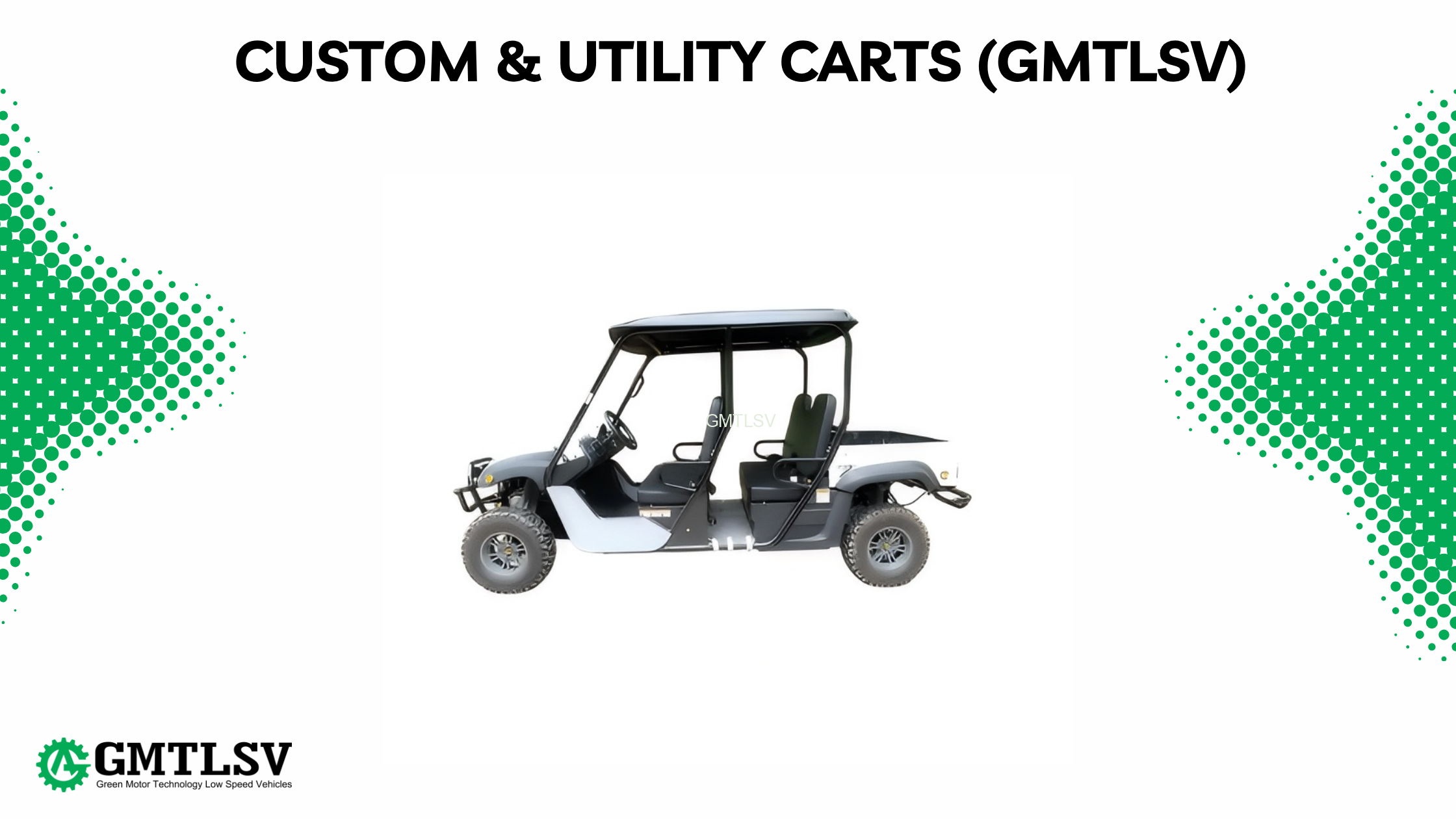
GMTLSV’s range includes G-L series golf carts, vintage-styled cars, sightseeing buses, and utility vehicles. Lithium upgrades enhance performance across all models.
48V and 72V options cover various GMTLSV configurations depending on application. Sightseeing buses and heavy utility vehicles may benefit from higher voltage systems.
Consult GMTLSV specifications for optimal battery sizing. The enhanced range is critical for sightseeing applications where guests expect all-day operation without charging interruptions.
Utility applications benefit from the weight reduction lithium provides. Less battery weight means more payload capacity for tools, materials, or equipment.
How long do lithium golf cart batteries last?
Eight to twelve years or 3,000 to 5,000+ charge cycles, depending on brand and usage patterns.
Premium brands like BOLT offer lifetime warranties backing up their longevity claims. Most quality manufacturers guarantee at least 8 years.
Actual cycle life depends on depth of discharge and charging practices. Running batteries to empty regularly shortens life compared to partial discharge cycles. Following manufacturer recommendations maximizes lifespan.
For comparison: lead-acid lasts 2 to 3 years. You’ll replace it four times before wearing out one lithium pack.
Can I replace just one battery in my cart?
No. Never mix lithium and lead-acid chemistries in the same system.
Different voltage curves and internal resistance characteristics cause dangerous imbalances. One chemistry charges while the other overcharges. One discharges while the other over-discharges. Accelerated wear at best. Safety risks at worst.
Replace the full set with a properly sized lithium battery. Modern lithium packs are single units that replace multiple lead-acid batteries, so “mixing” isn’t really possible anyway.
If running multiple lithium batteries in a system, ensure all match in type, age, and capacity. Mismatched batteries create similar imbalance problems.
Do lithium batteries require special chargers?
Yes. This is critical.
Lithium requires chargers with appropriate voltage profiles using CC/CV (constant current/constant voltage) charging algorithms. Lead-acid chargers use different profiles that damage lithium cells.
Lead-acid chargers may attempt equalization cycles that push voltage beyond safe lithium limits. They don’t terminate properly for lithium chemistry. Using one damages your expensive battery.
Your new charger should match system voltage exactly and provide adequate amperage for reasonable charge times. A 10A charger works but takes forever. A 20A+ charger makes more sense.
Budget $200 to $500 for a quality lithium charger. This investment protects a $2,000+ battery. Don’t cheap out here.
Are lithium golf cart batteries safe?
Yes. LiFePO4 chemistry is specifically chosen for safety.
UL-certified. Non-flammable. Thermally stable even under stress. The chemistry simply doesn’t have the runaway reaction potential that other lithium types exhibit.
The BMS provides multiple protection layers: overcharge protection, over-discharge protection, short circuit protection, and temperature monitoring. Something has to go seriously wrong—like physical damage or water intrusion—for safety systems to be overwhelmed.
Ironically, LiFePO4 is safer than lead-acid in several ways. Lead-acid batteries produce explosive hydrogen gas during charging. They contain corrosive sulfuric acid. Maintenance involves handling caustic materials.
Follow manufacturer installation guidelines and use appropriate fusing. Safety comes built-in.

