

UTVs are essential tools for outdoor work, agriculture, and adventure, but when they suddenly "strike," it often catches owners off guard. This article will guide you step by step to identify the root cause of the problem and attempt to resolve it yourself.
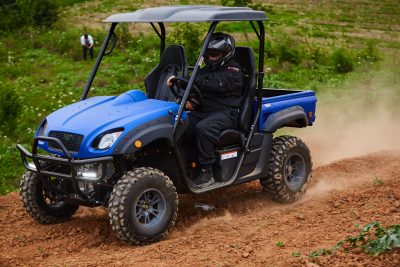
Introduction: The "Domino Effect" of UTV Failures
UTV failures are often triggered by seemingly minor issues. A loose wire, a damp spark plug, or poor-quality fuel can bring this "steel beast" to its knees. Instead of panicking, analyze calmly—the vast majority of UTV problems can be resolved through self-inspection. This article combines mechanical engineering experience with real user cases to provide you with a "self-rescue manual."
I. Seven Common Causes of UTV Starting Failure
• Low battery charge
• Blown fuses
• Wiring damaged by animals
• Loose connections
• Poor grounding
• Fuel pump failure
• Poor quality gasoline
• Carburetor/injector carbon buildup
• Incorrect spark plug gap
• Aging ignition coil
• Faulty emergency kill switch
• Intake tube leaks
• Kinked intake hoses
• Slipping belt
• Low transmission fluid
• Overheat protection
• Program errors needing reset
• Parking brake engaged
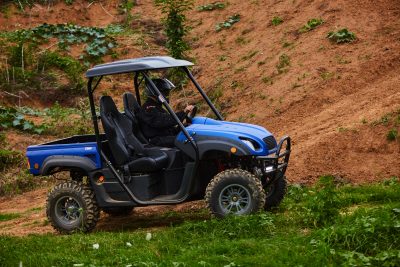
II. Troubleshooting Flowchart (In Priority Order)
1. 5-Second Basic Check We Recommend
2. Identify Problems by Listening
3. In-Depth Electrical System Check with Tools
- Measure battery voltage with multimeter
- Clean battery terminals
- Check main fuses
4. Quick Fuel System Diagnosis
- Smell exhaust: strong gasoline smell → fuel supply normal but ignition failed
- Tap fuel pump lightly, listen for operating sound
5. Spark Plug Test
- Remove spark plug and connect to high-voltage wire
- Touch spark plug metal to exposed engine metal
- Start vehicle and observe spark: no blue spark → replace spark plug or check ignition coil
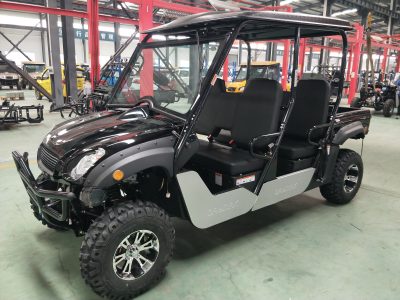
III. Prevention is Better Than Repair: 5 Tips to Extend UTV Life
Monthly Maintenance Checklist
- Clean air filter
- Check belt tension
- Apply dielectric grease to prevent circuit oxidation
Fuel Management Golden Rules
- Use fresh, standard-grade fuel
- Add fuel stabilizer before long-term storage
- Regularly clean carburetor
Special Winter Protection
- Switch to low-viscosity oil
- Remove battery and store in warm environment
- Slightly reduce tire pressure to prevent rubber cracking
Rainy Season Emergency Measures
- Use waterproof spray on electrical connectors
- Replace differential oil immediately after water crossing
- Check spark plug cap for dryness before starting
Easily Overlooked Details
- Avoid frequent short-distance starts/stops
- Idle for one minute before shutdown to cool turbo
- Regularly read fault codes with diagnostic tool
IV. When to Seek External Help
If you encounter the following situations, immediately contact an authorized service center:
Conclusion: Make Your UTV a Trusted Partner
Through systematic inspection and preventive maintenance, the vast majority of UTV failures can be nipped in the bud. Remember: every UTV failure is an excellent opportunity to get to know your vehicle better. If you still have questions after trying this guide, feel free to leave a comment—our engineers will answer them for free!
Still Having UTV Troubles?
Join our community of UTV owners and get expert troubleshooting advice. Download our free UTV maintenance checklist and access video tutorials for common repairs.
Get Free UTV Support

