

Here’s the thing. You just dropped anywhere from $5,000 to $20,000 or more on a golf cart. Maybe way more if you went all-in on a loaded LSV. And now someone’s asking if you want to spend extra on an extended warranty.
Your gut reaction is probably skepticism. Feels like the dealership trying to squeeze more money out of you. I get it.
But hold on. This isn’t like the $200 warranty they push on a $400 TV at Best Buy. Golf carts are actual vehicles with motors and controllers and electrical systems that can get expensive to fix. We’re talking repair bills that can hit $1,500 or $2,000 without much effort.
So is extended warranty coverage actually worth it? Or is it money better kept in your pocket?
Honestly, it depends. Depends on the cart. Depends on the coverage. Depends on how long you plan to keep it and how comfortable you are gambling on repair costs.
At gmtlsv.com, we sell quality electric golf carts and LSVs built to last. We also believe in giving customers real information so they can make smart decisions. Not sales pitches. Real talk about what makes sense and what doesn’t.
Let’s break this down properly.
What is a Golf Cart Extended Warranty?
An extended warranty is a protection plan that covers parts and repairs after the manufacturer’s warranty expires. Think of it like gap coverage. The factory warranty runs out, the extended warranty picks up where it left off.
Similar concept to automotive extended warranties. Your new car comes with 3 years of manufacturer coverage. Extended warranty adds another 2-4 years beyond that. Same basic idea here.
Golf cart warranties have only been around for a few years, honestly. The industry was slow to adopt them. But they’re growing fast now as carts get more expensive and more sophisticated.
These warranties work through third-party companies. Not the manufacturer. You buy the coverage, and when something breaks, the warranty company pays for covered repairs. Simple enough in theory.
How Golf Cart Extended Warranties Work
The process is pretty straightforward once you understand it.
You purchase the warranty either at the time of sale or within 60 days of buying your cart. Has to go through an authorized dealer. Can’t just call up a warranty company directly in most cases.
When something goes wrong, you file a claim. The warranty company reviews it, decides if it’s covered under your plan, and either approves or denies the repair.
If approved, your dealer performs the repairs and the warranty company pays them directly. You’re not fronting money and waiting for reimbursement. No out-of-pocket costs for covered repairs.
One exception: gas carts sometimes have small deductibles. Electric carts often have zero deductible. Depends on the provider and plan.
Types of Golf Cart Warranties Explained
Not all warranties are the same. Before deciding if extended coverage makes sense, you need to understand what you’re already getting and what you’d be adding.
Manufacturer’s Warranty vs. Extended Warranty
Manufacturer warranties come standard with your new golf cart. Typically 1-3 years depending on the brand. Some manufacturers now offer up to 8 years on lithium batteries specifically, which is significant.
These warranties cover core components. Motor. Chassis. Drivetrain. The important stuff.
Here’s the tricky part though. Different components have different coverage periods within the same manufacturer warranty. Your motor might be covered for 4 years. But the lights? Maybe only 2 years. Controller for 3 years. Frame for 5 years. It gets complicated.
Extended warranties kick in after the manufacturer warranty expires. They range from 6 months to 4 years of additional coverage. Third-party providers handle these. Coverage can be broader or simply continued protection on the same components.
The goal is extending that safety net into the years when age-related issues become more likely.
What Components Are Typically Covered?
Extended warranties generally cover the mechanical and electrical guts of your cart:
- Electric motor and controller
- Electrical systems including wiring and controllers
- Brakes and steering components
- Transmission and drivetrain
- Bearings
- Gaskets
- Shocks
- Hubs and springs
- Frame and chassis
- Labor costs for qualifying repairs
Pretty comprehensive when it comes to mechanical and electrical systems. The stuff that actually makes your cart move and stop.
What’s NOT Covered by Extended Warranties?
This is the critical part most people skip over. What’s excluded matters more than what’s included.
Batteries and battery chargers. This is the most common exclusion and it surprises people. Batteries are expensive. But manufacturers typically provide separate battery warranties ranging from 1-5+ years depending on battery type. The extended warranty doesn’t duplicate that coverage.
Other common exclusions:
- Tires
- Cosmetic damage like scratches, dents, paint fading
- Normal wear and tear items: brake pads, light bulbs, alignment
- Damage from accidents or misuse
- Unauthorized modifications or repairs
- Problems caused by improper maintenance
- Third-party accessories like sound systems or custom wheels (unless specifically approved)
Gas carts may have a $50 deductible per repair. Electric carts often have $0 deductible. Read the fine print on whatever plan you’re considering.
Major Extended Warranty Providers to Know
A few companies dominate the golf cart warranty space. Worth knowing who they are and what they offer.
Electric Warranty Group (EWG)
The industry pioneer, really. Founded in 2016 when golf cart extended warranties were barely a thing.
Now they’re the largest provider with over 500 authorized dealers across the US and Canada. That dealer network matters when you need service.
They offer plans ranging from 6 to 48 months. Cover new carts, used carts, even modified carts. Their warranties are custom-designed for different cart classifications, which is smart. A basic neighborhood cart and a fully-loaded LSV have different needs.
Comprehensive parts coverage. Hassle-free claims where they pay dealers directly. No customer reimbursement headaches. Zero deductible on electric carts.
Strong reputation in the industry. The name you’ll hear most often.
CPS Central
Comprehensive coverage options with plans running 1-5 years. Includes some nice perks like in-home service depending on your plan.
Covers mechanical and electrical failures. Parts replacement and labor costs included. Must purchase within 60 days of buying your cart.
I’ve seen them run a 3 months free promotion at times. Worth asking about.
Good option for multiple cart types.
AGWS (American Golf Cart Warranty Services)
Offered through select dealers like Winters Recreation. Not as widely available but solid coverage.
Hassle-free claims with direct payment to service centers. Transferable coverage, which is a big deal for resale value. Service convenience guarantee that covers pick-up and delivery fees if needed.
Quick insurance card delivery after purchase. Works with major brands: Club Car, Yamaha, E-Z-GO, Icon, Evolution, GEM.
Other Providers
A few more names you might encounter:
Golf Car Warranty Group offers 6-month, 12-month, and 24-month options. Basic but straightforward.
American Cart Care runs comprehensive dealer programs.
CartGuard has 5-year coverage options with a $50 deductible.
Most warranties are purchased through authorized dealers, not directly from the warranty companies. Your dealer can tell you which providers they work with.
GMTLSV Golf Carts: Built for Reliability
Here’s where I’ll be direct. Cart quality matters more than warranty coverage. Way more.
A well-built golf cart from a quality manufacturer will have fewer problems. Period. Extended warranty on a solid cart might never get used. Extended warranty on a cheaply-built cart might get used constantly, but it won’t fix the underlying quality issues.
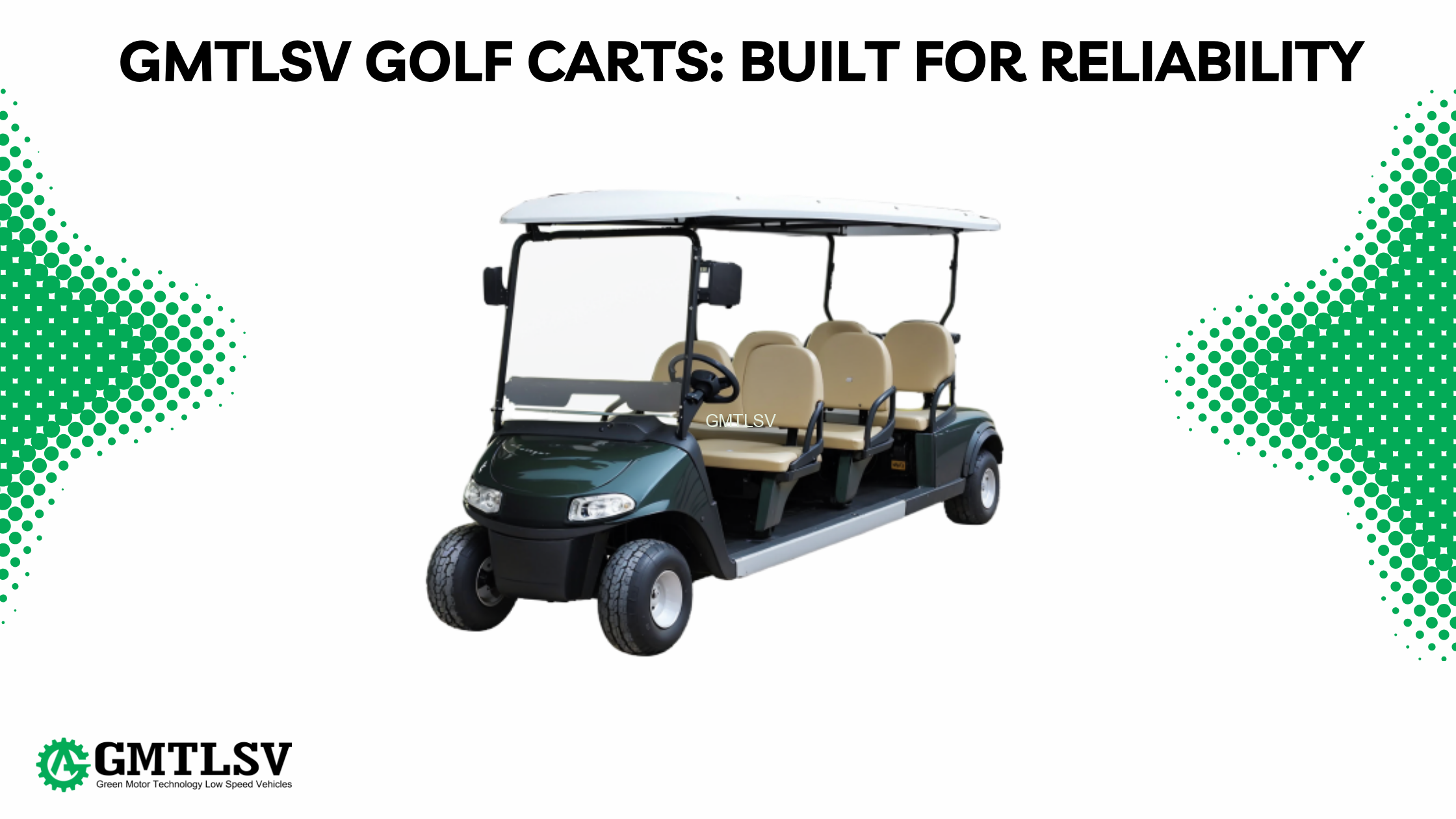
The carts we sell at GMTLSV are built for reliability from the start. Quality components. Proper engineering. Not cutting corners to hit a price point.
Does that mean you’ll never have a problem? No. Things break sometimes. But starting with a quality cart dramatically reduces your risk.
Extended warranty makes the most sense as a backup plan on a quality cart. Peace of mind for unlikely scenarios. On a sketchy cart, extended warranty is a bandage on a bigger problem.
Can I purchase an extended warranty after I’ve already bought my golf cart?
Yes, but there’s a window. Typically you need to purchase within 60 days of buying your cart.
After that 60-day window, options get limited. Some providers may require an inspection and approval process. Additional exclusions may apply for any existing issues.
Best practice: decide at the time of purchase or shortly after while all options are still available.
Are extended warranties transferable if I sell my golf cart?
Most extended warranties are transferable to new owners. This is actually a major selling point when it comes time to sell.
Usually involves a small transfer fee. Figure $25-$50 in most cases. You’ll need to complete the transfer through the warranty provider with proper documentation.
The transferability significantly increases resale value. Buyers pay more for a cart that still has warranty coverage. Make sure to mention this benefit when listing your cart for sale.
What’s the average cost of a golf cart extended warranty?
Costs vary a lot based on:
- Cart value
- Coverage level
- Duration (6 months to 4+ years)
- Provider
- New versus used cart
- Electric versus gas
Generally you’re looking at a few hundred dollars for basic short-term coverage up to $1,000 or more for comprehensive multi-year plans.
My advice: request quotes from multiple providers through your dealer. Compare the cost against potential repair expenses. A $600 warranty that saves you from a $1,800 motor controller replacement pays for itself instantly.
Do I really need extended warranty on a brand new golf cart?
Depends on a few things.
New carts already have 2-3 years (or more) of manufacturer coverage. Problems are least likely to occur during these early years. You’re already protected when the cart is newest.
Extended warranty extends protection into years 4-7 and beyond. This is when age-related issues become more likely. Components wear. Electronics develop problems. The warranty matters more in these later years.
Valuable if you plan to keep the cart long-term. Less valuable if you upgrade every 3-4 years anyway.
Cart quality factors in too. High-quality brands like the carts we sell at GMTLSV tend to have fewer issues. The math changes when your cart is built properly.
Ultimately a personal decision based on how much you value peace of mind.
What voids a golf cart extended warranty?
This is important. Don’t accidentally void your coverage.
Common warranty voidance scenarios:
- Unauthorized modifications or customizations
- Repairs performed by non-authorized service centers
- Lack of proper maintenance documentation
- Using the cart beyond rated capacity (overloading)
- Racing or competitive use
- Improper battery maintenance
- Failure to register warranty within required timeframe
- Accident damage or misuse
Read the specific terms of your warranty contract for the complete list. Every provider words things slightly differently.
How do I file a claim under my extended warranty?
Typical claims process works like this:
- Contact the warranty company’s customer service (phone or online portal)
- Provide your warranty contract number and cart details
- Describe the issue
- Get pre-approval before repairs (usually required)
- Take the cart to an authorized service center
- Service center communicates directly with the warranty company
- Repairs completed per warranty terms
- Warranty company pays the service center directly
- You pay any applicable deductible
Keep all documentation. Every receipt. Every service record. You want a paper trail if questions come up later.

