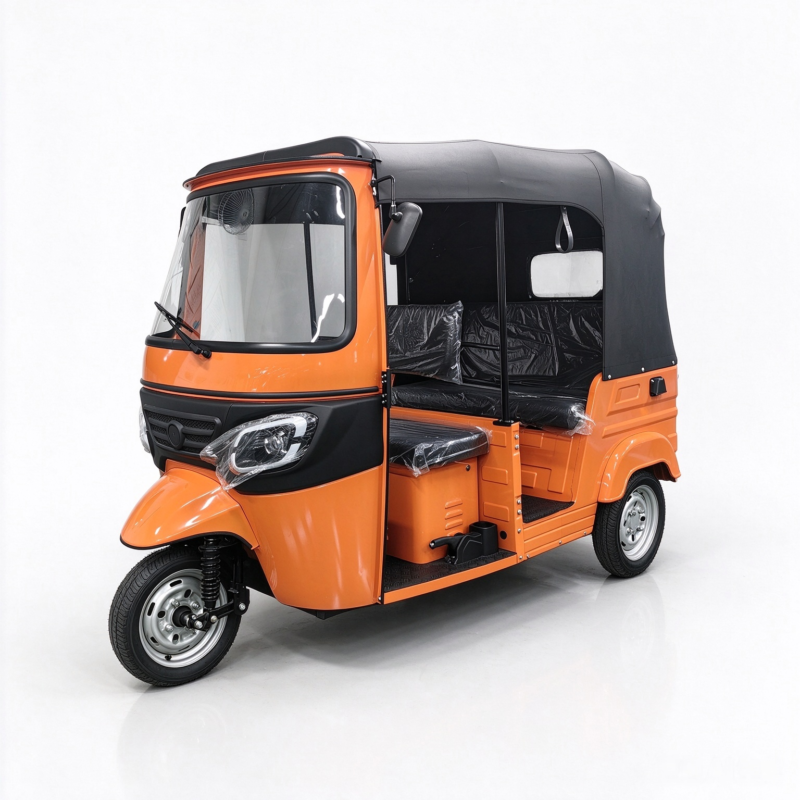
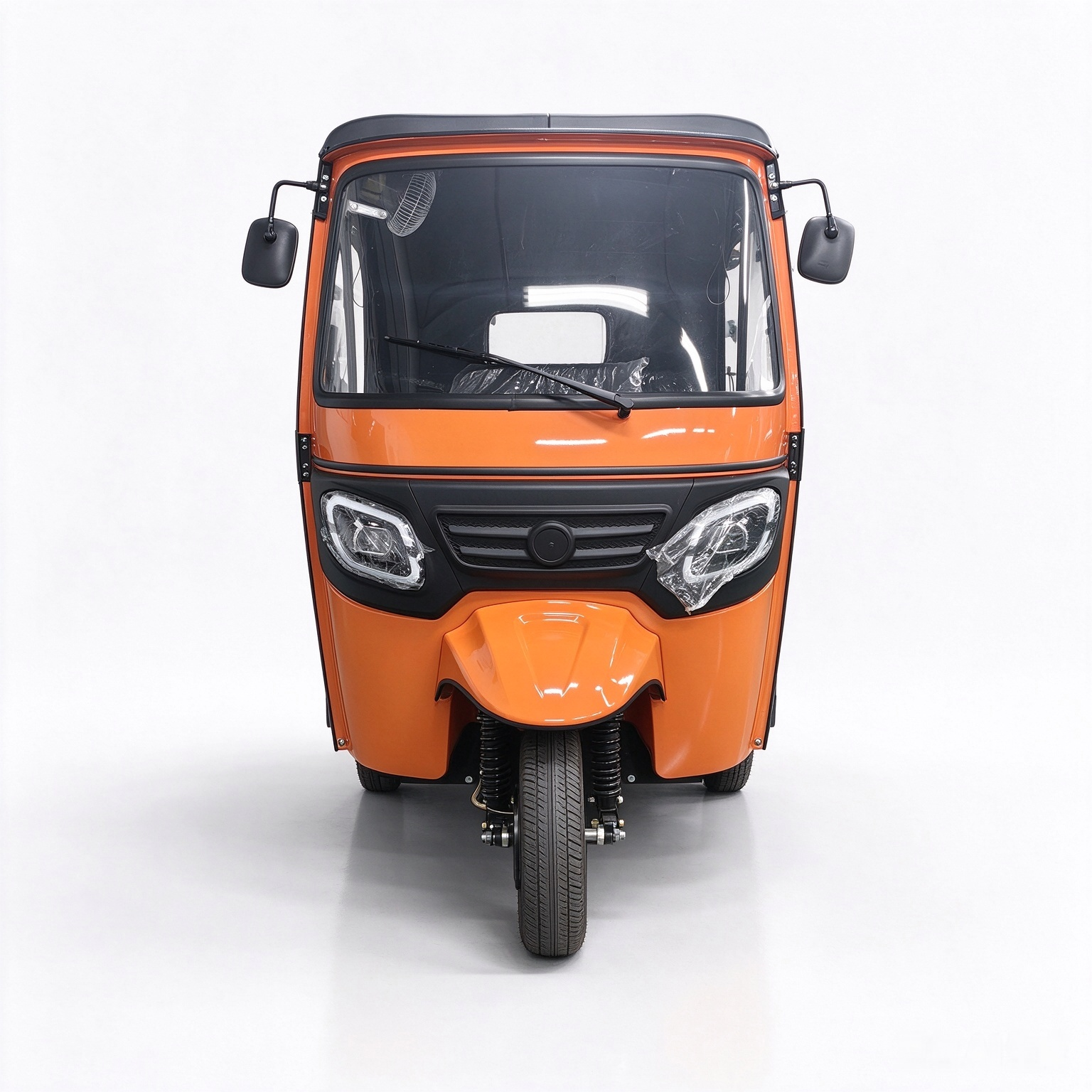
As cities, tourism destinations, and local transportation operators look for more flexible mobility solutions, electric three-wheelers are becoming an attractive option for short-distance passenger transportation. Compact, easy to operate, and powered by electricity, an electric tuk tuk can serve routes and environments where larger vehicles may be less practical.
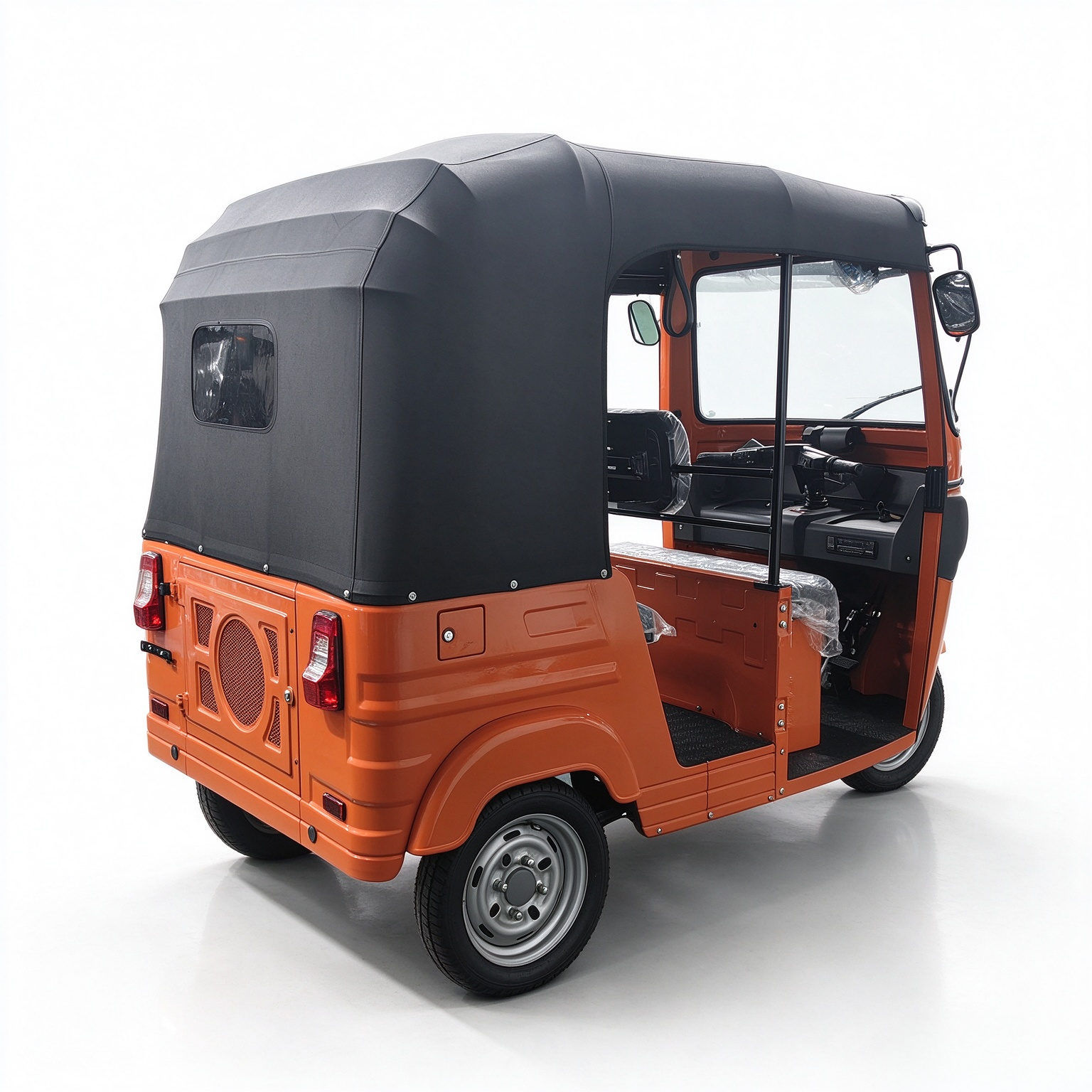
The GMTLSV Single-Row Electric Tuk Tuk is designed for passenger transport and everyday mobility applications. With a permanent magnet synchronous motor, a 72V lithium battery system, a maximum speed of 50 km/h, and a compact three-wheel structure, it offers a practical vehicle configuration for operators looking for an electric alternative for local transportation.
In this article, we will explore its key specifications, design features, potential applications, and the factors businesses should consider when selecting an electric tuk tuk.
1. What Is an Electric Tuk Tuk?
An electric tuk tuk is a three-wheel vehicle powered by an electric motor and battery system. It is commonly used for short-distance passenger transportation, local mobility, and certain light-duty commercial applications.
Compared with conventional four-wheel vehicles, a three-wheel electric tuk tuk generally has a more compact structure. This can make it suitable for locations where maneuverability, convenient access, and relatively low operating speeds are important.
Electric tuk tuks can be used in different environments, including:
- Urban and suburban passenger transportation
- Tourist attractions and sightseeing areas
- Resorts and hospitality properties
- Residential communities
- Private campuses and industrial facilities
- Short-distance shuttle and local mobility services
The exact suitability of a vehicle depends on its seating arrangement, payload capacity, operating range, road conditions, and local vehicle regulations.
For businesses operating short-distance transportation services, an electric three-wheeler can provide an alternative to conventional fuel-powered vehicles.
2. Meet the GMTLSV Single-Row Electric Tuk Tuk
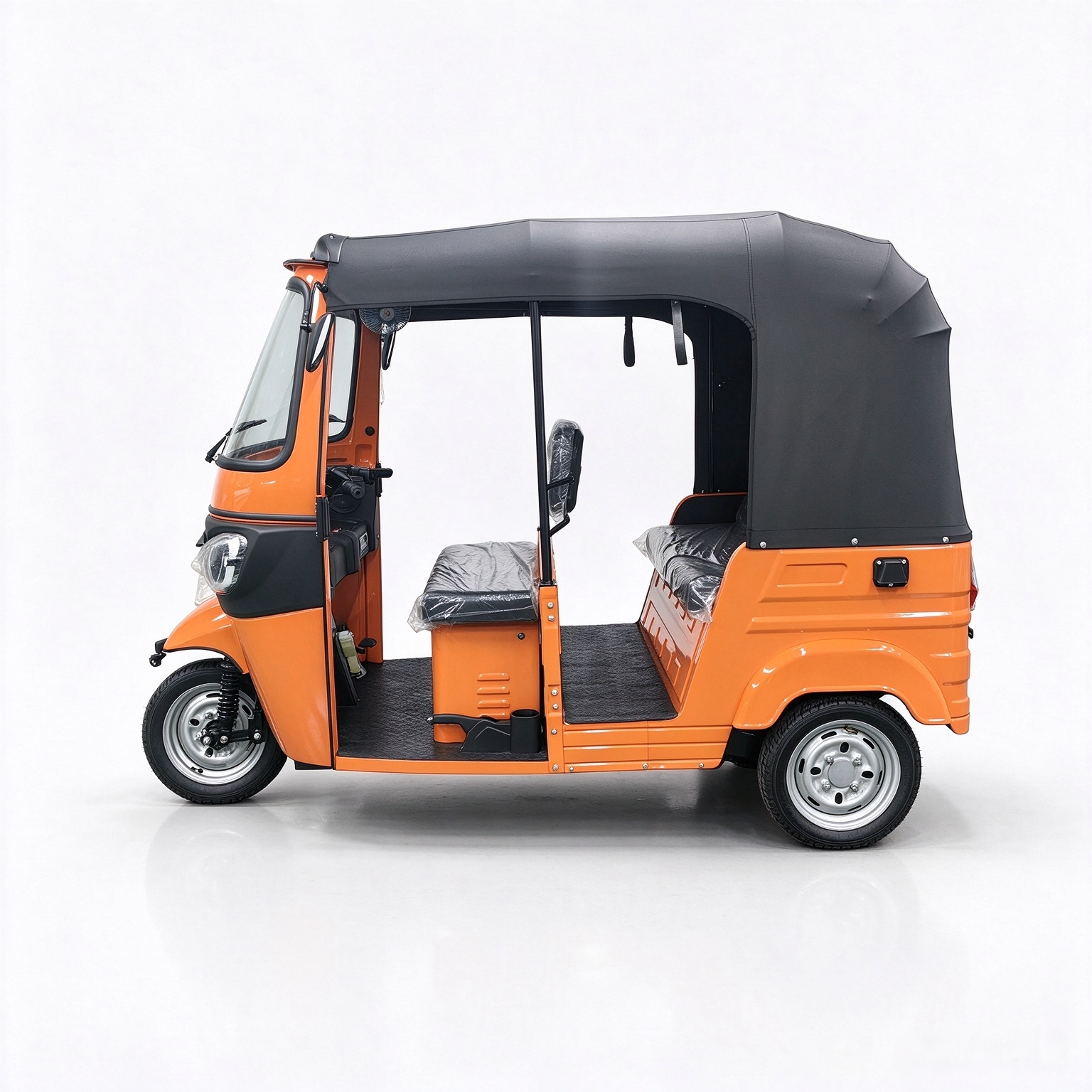
The GMTLSV Single-Row Electric Tuk Tuk is developed for passenger transportation and practical everyday mobility. Its compact three-wheel design combines an electric drivetrain with a configuration intended for regular short-distance operation.
The vehicle uses a permanent magnet synchronous motor (PMSM), with available motor power options of 2,500W and 3,000W. It is paired with a 72V lithium battery system, with battery capacity options listed at 150–200Ah.
These configuration options allow buyers to consider different operating requirements when selecting a vehicle.
You can explore the full vehicle specifications, configuration details, and product information on the GMTLSV Single-Row Electric Tuk Tuk product page.
Key Vehicle Specifications
| Specification | Configuration |
|---|---|
| Vehicle Type | Single-Row Electric Tuk Tuk |
| Motor Type | Permanent Magnet Synchronous Motor |
| Motor Power | 2,500W / 3,000W |
| Battery | 72V 150–200Ah Lithium |
| Maximum Speed | 50 km/h |
| Listed Maximum Range | 150–200 km |
| Maximum Climbing Grade | ≥31° |
| Charging Time | 5–8 hours |
| Vehicle Weight | Approximately 450 kg, including batteries |
| Vehicle Dimensions | 2,600 × 1,360 × 1,800 mm |
| Wheelbase | 1,950 mm |
| Braking System | Front and Rear CBS Hydraulic Drum Brakes |
| Rear Suspension | Trailing Arm Suspension |
| Tires | 125/65R12 Vacuum Tires |
Specifications are based on the published product configuration. Actual performance and range may vary depending on battery configuration, passenger load, terrain, driving conditions, and operating habits. The product overview also mentions a possible range of up to 220 km for certain battery configurations; buyers should confirm the applicable range for their selected version.
3. Key Features of This 3-Wheel Electric Vehicle
Choosing a passenger vehicle requires more than looking at its motor power or maximum speed. Operators also need to consider handling, braking, battery capacity, comfort, and daily operating requirements.
The GMTLSV electric tuk tuk combines several features designed to support practical transportation.
3.1 PMSM Electric Motor
The vehicle uses a permanent magnet synchronous motor with 2,500W and 3,000W power options.
PMSM technology is widely used in electric vehicles because it can provide efficient electric drive performance and smooth power delivery. The available motor options give buyers flexibility when selecting a configuration for their intended operating environment.
For short-distance passenger transportation, the appropriate motor configuration should be considered alongside passenger load, road conditions, gradients, and expected daily operating hours.
3.2 72V Lithium Battery System
The vehicle is equipped with a 72V lithium battery system, with listed capacity options of 150Ah to 200Ah.
Battery capacity is an important consideration for passenger transport operators. A suitable battery configuration can help determine how far the vehicle can travel between charging sessions and how well it fits a particular daily route.
When evaluating the battery option, buyers should consider:
- Average daily travel distance
- Number of operating hours
- Passenger and load requirements
- Road gradients and terrain
- Available charging facilities
- Expected charging frequency
Rather than selecting a battery based only on its nominal capacity, it is important to match the battery configuration to the actual transportation task.
3.3 Compact Three-Wheel Structure
With dimensions of approximately 2,600 × 1,360 × 1,800 mm and a wheelbase of 1,950 mm, the vehicle has a relatively compact footprint.
This design can be useful in environments where vehicles need to move through defined routes, access smaller spaces, or operate around pedestrian areas.
For operators serving tourist attractions, residential communities, and local passenger routes, vehicle dimensions can be an important part of fleet planning.
3.4 CBS Hydraulic Braking System
The vehicle features front and rear CBS hydraulic drum brakes.
CBS, or Combined Braking System, links braking force between the front and rear braking systems. This design is intended to help distribute braking force when the driver applies the brakes.
For passenger transportation, braking performance is an important part of vehicle selection. Operators should also consider routine brake inspection, tire condition, passenger loading, and the road environment in which the vehicle will operate.
3.5 Independent Suspension and Practical Equipment
The product configuration lists a trailing arm rear suspension, LCD display, and USB charging.
These features support everyday vehicle operation. The display provides vehicle information to the driver, while USB charging can be useful for compatible mobile devices during daily use.
The vehicle also uses 125/65R12 vacuum tires. Tire condition and pressure should be checked regularly, particularly when the vehicle is used frequently or operates with varying passenger loads.
4. Where Can an Electric Tuk Tuk Be Used?
The compact design and electric drivetrain of a tuk tuk make it worth considering for several short-distance transportation applications.
However, the most suitable use case depends on local regulations, route conditions, passenger capacity, and the vehicle’s approved operating environment.
4.1 Urban and Suburban Passenger Transportation
In some cities and suburban areas, passenger journeys are relatively short and take place along local roads or within defined service areas.
An electric tuk tuk can be considered for local passenger services where its speed, seating configuration, range, and road approval meet the operator’s requirements.
Potential applications include neighborhood transportation, short-distance connections, and local shuttle services.
4.2 Tourism and Sightseeing Areas
Tourist destinations often require flexible transportation between entrances, parking areas, attractions, and visitor facilities.
A compact electric passenger vehicle can help operators provide short-distance transportation within suitable sites.
Its electric drivetrain may also be beneficial in environments where reducing local exhaust emissions and vehicle noise is a priority.
4.3 Resorts and Hospitality Properties
Large resorts and hospitality properties may need vehicles to transport guests between accommodation areas, restaurants, activity spaces, and other facilities.
An electric tuk tuk can be evaluated as part of an internal transportation fleet, especially where routes are relatively short and vehicle access needs to remain flexible.
Operators should first confirm the required passenger capacity, luggage requirements, and suitability for the property’s roads.
4.4 Residential Communities and Private Campuses
Residential communities, private campuses, and other managed properties may require regular short-distance transportation.
A three-wheel electric vehicle could support mobility within these controlled environments, provided that its seating capacity and operating specifications match the intended service.
For fleet buyers, the key is to select a vehicle based on actual route distances, daily passenger demand, charging arrangements, and local operating rules.
5. Watch the GMTLSV Electric Tuk Tuk in Action
Product specifications are useful when comparing vehicles, but seeing the actual vehicle can help buyers better understand its appearance and overall design.
GMTLSV has also presented this model in a short product video.
Watch: Electric Tuk Tuk | 3-Wheel Passenger & Utility Vehicle
Watch the Electric Tuk Tuk video on Facebook
The video provides a visual introduction to the vehicle and complements the specifications listed on the product page.
If you are evaluating this model for a passenger transportation project, you can use the video together with the product specifications to discuss the configuration requirements with the GMTLSV team.
6. What Should You Consider Before Buying an Electric Tuk Tuk?
Selecting an electric tuk tuk for commercial use requires more than comparing the purchase price of different models. The vehicle should be matched to the operating environment and the transportation service it will perform.
Here are several important factors to evaluate before placing an order.
6.1 Passenger Capacity and Seating Arrangement
Start by confirming how many passengers the vehicle needs to carry.
The seating arrangement should match the intended transportation task. Buyers should confirm the approved passenger capacity, seating dimensions, and any luggage or equipment requirements with the supplier.
Do not assume that all three-wheel passenger vehicles have the same seating capacity.
6.2 Daily Travel Distance
Estimate the total distance the vehicle will travel during a typical working day.
A vehicle operating on short routes with regular charging opportunities may have different battery requirements from one operating continuously throughout the day.
The published range should be treated as a reference rather than a guaranteed result under every operating condition.
6.3 Road Conditions and Climbing Requirements
Consider whether the vehicle will operate on flat roads, slopes, paved routes, or mixed surfaces.
The GMTLSV product page lists a maximum climbing grade of at least 31°. Actual climbing performance will depend on vehicle load, road surface, battery condition, and other operating factors.
Buyers should confirm the expected performance for their specific route conditions.
6.4 Charging Facilities
The listed charging time is approximately 5–8 hours.
Before selecting a battery configuration, consider where the vehicle will be charged, how many hours it can remain parked, and whether the fleet requires multiple shifts.
For commercial operators, charging schedules can have a direct effect on vehicle availability.
6.5 Local Regulations and Vehicle Approval
Electric three-wheelers are subject to different vehicle classification and road-use requirements in different markets.
Before purchasing, confirm whether the vehicle can be legally registered and operated for the intended purpose in your country or region.
This is especially important for passenger transportation on public roads. Buyers should verify local requirements for vehicle approval, passenger capacity, insurance, licensing, and safety equipment.
7. GMTLSV: Electric Vehicles for Different Transportation Applications
Different transportation tasks require different vehicle designs.
A passenger tuk tuk is one option for short-distance mobility, while other operations may need enclosed vehicles, utility vehicles, or larger passenger shuttles.
GMTLSV supplies a range of low-speed electric vehicles and complete vehicle configurations for different applications.
For businesses comparing vehicle types, the GMTLSV low-speed electric vehicle collection provides another starting point for exploring available vehicle categories.
You can also read our guide to Electric Utility Vehicles: A Practical Guide for Farms, Warehouses and Industrial Sites to understand how utility-focused electric vehicles differ from passenger transportation models.
As a vehicle supplier, GMTLSV can discuss vehicle configurations according to the customer’s intended application, operating environment, and project requirements.
8. Frequently Asked Questions
What is an electric tuk tuk used for?
An electric tuk tuk is a three-wheel electric vehicle commonly considered for short-distance passenger transportation, local mobility, tourism, and certain commercial applications. Its suitability depends on passenger capacity, vehicle configuration, road conditions, and local regulations.
How fast can the GMTLSV electric tuk tuk travel?
The published maximum speed of the GMTLSV Single-Row Electric Tuk Tuk is 50 km/h. Actual operating speed should comply with local regulations and depend on road and load conditions.
What motor does this electric tuk tuk use?
The vehicle uses a permanent magnet synchronous motor (PMSM), with listed power options of 2,500W and 3,000W.
What battery does the GMTLSV electric tuk tuk use?
The published configuration uses a 72V lithium battery, with capacity options of 150Ah to 200Ah.
What is the driving range of the electric tuk tuk?
The product configuration table lists a maximum range of 150–200 km. The product overview also mentions up to 220 km depending on battery configuration. Actual range varies with battery selection, passenger load, terrain, speed, and driving conditions. Confirm the expected range for the exact configuration before ordering.
How long does it take to charge?
The listed charging time is approximately 5–8 hours. Actual charging time may vary depending on battery condition, charger specifications, and charging conditions.
Can an electric tuk tuk be used for tourism?
It can be considered for suitable tourism and sightseeing applications, particularly for short-distance transportation within defined areas. Buyers should confirm passenger capacity, route conditions, and local operating requirements.
Can GMTLSV provide different configurations?
The product page lists different motor power and battery capacity options. Buyers should contact GMTLSV to confirm available configurations and discuss requirements such as operating range, passenger capacity, and intended application.
Final Thoughts
An electric tuk tuk can be a practical transportation option for businesses and operators that need a compact vehicle for short-distance passenger mobility.
The GMTLSV Single-Row Electric Tuk Tuk combines a 2,500W or 3,000W PMSM motor, a 72V lithium battery system, a listed maximum speed of 50 km/h, and a compact three-wheel structure.
For local passenger transportation, tourism, resorts, and managed communities, the right configuration should be selected according to passenger demand, daily travel distance, road conditions, charging arrangements, and local regulations.
If you are looking for a three-wheel electric passenger vehicle or exploring electric mobility options for your business, contact GMTLSV to discuss your application and vehicle configuration requirements.
Looking for an Electric Tuk Tuk for Your Business?
Explore the GMTLSV Single-Row Electric Tuk Tuk or contact our team to discuss your project.