

The compressor is a core component of air‑conditioners, refrigerators, cold storage units, air compressors and other equipment. Once it stops working, the entire system loses its cooling, compression or air‑supply capacity. Compressor non‑operation can stem from many factors, including power‑supply and control‑circuit faults, activation of protective devices, motor defects, mechanical seizure or abnormal refrigeration‑system conditions. Troubleshooting shall follow the principle: check electrical systems before mechanical parts; inspect control circuits before main units; examine external components before internal ones. Blind replacement of the compressor is not recommended.
I. Power‑Supply and Electrical Faults
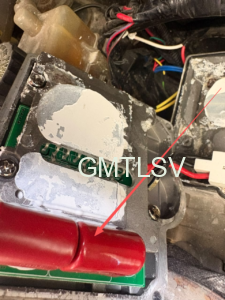
Power‑supply anomalies rank among the most frequent causes of compressor startup failure. Typical issues include power outages, tripped circuit breakers, blown fuses, loose wiring, phase loss, excessively low or high voltage. For three‑phase compressors, phase‑loss failure often manifests as a humming noise without rotation, rapidly rising current and quick activation of thermal protection; in severe cases, winding burnout occurs. Insufficient voltage yields inadequate starting torque and hinders compressor startup, while over‑voltage raises the risk of insulation breakdown. Damage to contactors, relays, start capacitors or run capacitors may also prevent the compressor from receiving power or generating sufficient starting torque. Open control‑circuit wiring, non‑reset emergency‑stop buttons, open thermostats or non‑conductive pressure switches will likewise result in zero compressor response.
Motor‑internal failures are also common: winding short‑circuit, open‑circuit, ground fault, insulation aging, broken rotor bars and bearing seizure. For inverter compressors, possible faults involve the inverter board, IPM module, DC bus, communication failures or incorrect parameter settings.
II. Activation of Protective Devices
Compressors are equipped with multi‑layer protection mechanisms: overload protection, thermal protection, high‑pressure protection, low‑pressure protection, oil‑differential‑pressure protection, discharge‑temperature protection, anti‑freeze protection, time‑delay protection, phase‑sequence protection and more. Upon detection of any abnormal condition, the control board inhibits startup or forces shutdown.
For instance, dirty or blocked condensers, non‑rotating fans, excessive refrigerant or entrapped system air trigger high‑pressure protection. Insufficient refrigerant, system blockages or unopened solenoid valves activate low‑pressure protection. Oil shortage, oil‑pump malfunction or clogged oil filters set off oil‑differential‑pressure protection. Exhaust over‑temperature is mostly associated with insufficient refrigerant or abnormal expansion‑valve performance.
After thermal protection trips, the compressor may resume operation once cooled. Nevertheless, repeated start‑stop cycles will occur if root causes remain unaddressed, eventually damaging the motor.
III. Mechanical and Lubrication‑Related Failures
Mechanical faults commonly present as no‑rotation upon power‑on, high current, dull operating noise or immediate tripping. Representative failures include cylinder seizure, shaft locking, damaged connecting rods and pistons, fractured valve plates, foreign‑object ingress, liquid slugging, and crankshaft rusting after long‑term shutdown.
Poor lubrication constitutes another major factor: oil shortage, low oil level, degraded oil quality or blocked oil passages increase friction among moving components and raise startup resistance. Scroll compressors may suffer scroll‑plate wear; screw compressors can experience rotor jamming. Forced startup under such conditions will very likely burn out the motor.
IV. Abnormal Refrigeration‑System and Load Conditions
Refrigeration‑system anomalies indirectly halt compressor operation by triggering pressure‑ and temperature‑based protection. Insufficient or over‑charged refrigerant, system blockages, defective expansion valves, faulty solenoid valves, cross‑leaking four‑way valves, fan failure and poor heat dissipation of condensers or evaporators all lead to abnormal suction and discharge pressures and consequently activate protection routines.
Low ambient temperature in winter, high ambient temperature in summer, cramped installation space and dust‑covered condensers may also cause startup difficulties or post‑start protection trips. For air compressors, non‑operation may result from reaching maximum air‑tank pressure, faulty pressure switches, closed intake valves or broken drive belts.
V. Control and Sensor Faults
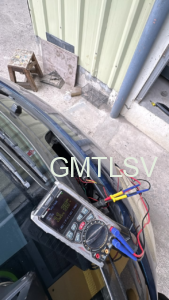
Malfunctioning main boards, PLCs, frequency converters, display panels, temperature sensors, pressure sensors or current sensors produce misjudgment of operating conditions. For example, sensor drift may falsely trigger anti‑freeze or over‑temperature protection. Loose communication cables, address conflicts or program crashes prevent the compressor from receiving startup commands. Incorrect thermostat settings, mode conflicts and abnormal defrost‑logic routines can also block compressor startup.
VI. Environmental and Application‑Related Factors
Excessively high or low ambient temperature, insufficient power‑supply capacity, undersized wiring, excessive voltage drop, frequent start‑stop cycling, sustained overloading, inadequate heat‑dissipation clearance and tilted installation all compromise compressor startup. Low winter temperatures increase oil viscosity and startup resistance; high summer temperatures elevate condensing pressure and easily invoke high‑pressure protection.
Diagnosis and Recommended Remedies
When a compressor fails to run: cut off power first, and check for tripped breakers, scorched components or unusual odors. Next, measure supply voltage, phase sequence and phase‑loss status. Inspect thermostats, pressure switches, contactors, relays and capacitors. Measure motor‑winding resistance and insulation resistance. Read fault codes and protection parameters. Finally, monitor suction‑discharge pressure, operating current and acoustic signatures to identify cylinder seizure, refrigerant shortage or blockages.
Never short‑circuit protection devices arbitrarily or perform repeated forced startups, as this will aggravate equipment damage.
In summary, compressor shutdown usually arises from combined electrical, control, protection, mechanical and system‑level issues. Safe repair is only achievable through step‑by‑step troubleshooting targeting root causes. Regular maintenance including heat‑dissipation cleaning, voltage inspection and refrigerant condition checks effectively reduces such failures.

