

Sourcing Golf Carts from China for South Africa: A Dealer & Fleet Buyer Guide
For South African golf cart dealers, distributors, importers and fleet buyers, sourcing from China is not simply a matter of comparing unit prices. The more important question is whether a manufacturing partner can support your product range, quality consistency, spare-parts planning, export documentation and repeat orders over time. A low initial quotation can look attractive, but inconsistent quality, unclear warranty boundaries or weak spare-parts support can quickly erode dealer margins and customer trust.
This guide outlines what South African buyers should verify before placing a first order, and how GMTLSV—a China-based low-speed electric vehicle manufacturer—works with overseas dealers and fleet buyers. GMTLSV is a China-based manufacturer, not a local South African dealer or repair network. Import compliance, customs clearance, local servicing and any local dealer obligations should be arranged with your South African partners and appropriate local authorities.
Who This Guide Is For
This guide is written for buyers who need a practical, long-term supply relationship rather than a one-off purchase:
-
Golf cart dealers and distributors evaluating a wholesale supplier, model range and spare-parts plan.
-
Importers and wholesalers comparing factory-direct pricing, mixed-model orders and export experience.
-
Fleet buyers at golf courses, hotels, resorts, residential estates, tourism facilities and industrial sites.
-
OEM/ODM project developers seeking configuration changes, branding or more specialized vehicle development.
Each buyer type has different priorities. A dealer needs a product range that can serve multiple customer segments. A fleet operator needs vehicles that suit the terrain, passenger load and daily operating hours. An importer needs clear specifications, export documents and predictable loading arrangements. The right manufacturing partner should be able to discuss these differences rather than send the same generic quotation to every buyer.
Why South African Buyers Consider Factory-Direct Supply
Buying directly from a China-based manufacturer can offer several practical advantages for buyers planning repeat orders or larger fleets.
More direct cost management. Factory-direct supply reduces the number of purchasing intermediaries between the buyer and production. This can create more room to manage purchasing costs, especially for bulk orders and mixed-model purchases. However, purchase price is only one part of the total landed cost. South African buyers should also plan for freight, insurance, import duties, VAT, customs clearance, port charges, local delivery and after-sales arrangements. These costs depend on the correct tariff classification and applicable rules, so they should be confirmed with your customs broker rather than estimated from the product name alone.
A broader product range. A manufacturer with a wide range of low-speed electric vehicles can help dealers serve more than one market segment. Instead of sourcing passenger carts, sightseeing vehicles and utility models from separate suppliers, buyers may be able to coordinate several product categories through one manufacturing partner.
More direct technical communication. When buyers communicate directly with the manufacturer, product requirements can be discussed with the teams responsible for technical evaluation and production. This makes it easier to clarify specifications, confirm component choices, review drawings and coordinate changes before production begins.
Support for repeat orders. For a growing distributor, the ability to replenish stock is as important as the first shipment. A manufacturing partner should be able to coordinate production planning, component sourcing, quality checks and delivery schedules according to the agreed order requirements.
What South African Dealers and Fleet Buyers Should Verify
A manufacturer’s production capability should be evaluated through more than catalogue photographs. South African buyers should ask for verifiable evidence of manufacturing background, quality control and export preparation.
Useful checks include:
-
Manufacturing background: How long has the factory been involved in electric motors, drive systems or complete low-speed electric vehicles?
-
Key component sourcing: Which motors, controllers, batteries and chargers are used, and how are they matched to the vehicle?
-
Quality inspection process: What checks are performed on electrical systems, braking, steering, suspension, lighting and overall vehicle operation before packing?
-
Pre-delivery inspection: Is there a documented inspection record before container loading?
-
Export packaging and loading: Can the manufacturer provide packing photos or container-loading videos?
-
Documentation: What product specifications, wiring diagrams, user manuals and warranty documents are available in English?
-
Spare-parts support: What replacement parts are recommended for routine maintenance and future orders?
At GMTLSV, our manufacturing background began with electric motor production in 1995. Over the years, our capabilities have expanded from motor manufacturing into electric drive systems and complete low-speed electric vehicles.
This background gives us experience across several connected parts of the vehicle supply chain. In addition to complete vehicles, our business is involved in electric motors, drive systems and related components. This provides a broader technical foundation for discussing motor selection, controller matching, drivetrain configurations and vehicle applications.
For dealers and fleet buyers, this matters because motor, controller and drivetrain matching is not outsourced at the last stage—it is part of our own manufacturing background. That gives us more control when discussing gradient performance, duty cycle and battery configuration for South African sites. Product discussions can therefore consider more than the vehicle body or seating layout; the motor, controller, battery and drivetrain configuration also need to match the intended operating conditions.
Our product range covers golf carts, sightseeing vehicles, enclosed electric vehicles and other specialized vehicles. Buyers should still verify the specific model, configuration and inspection arrangements for their own order.
For verifiable evidence, you can [watch our factory video], [check our Quality Control process and container-loading records], [review our motor and drive system capabilities:
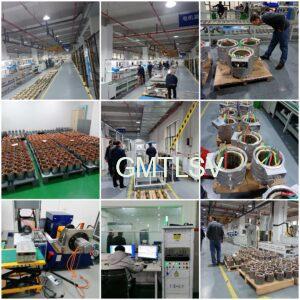
Green Motor Tech Motor Assembly and Motor Dynamometer Test Equipment
GMTLSV electric vehicles assembly lines
South Africa-Specific Configuration Checks
South African operating conditions and import requirements deserve specific attention before a model is selected. The following points should be discussed with the manufacturer and, where relevant, with your local technical or customs advisors.
Driving position and local requirements. Confirm whether left-hand or right-hand drive configuration is available for the target model, and whether the vehicle will be used only on private sites or in other permitted applications. Golf carts and low-speed electric vehicles are often used within managed properties, resorts, estates and industrial sites; buyers should confirm the applicable local vehicle-use requirements before import.
Charging voltage and plug type. Confirm the charger input voltage, plug type and charging arrangement for the intended site. South African electrical standards and site infrastructure should be checked locally.
Heat, dust and terrain. High temperatures, dust and gradients can affect battery performance, motor cooling and maintenance intervals. Buyers should explain the operating environment, typical gradients, passenger load and daily distance so that the manufacturer can recommend a suitable motor, controller and battery configuration.
Range and operating hours. A vehicle that performs well on a flat golf course may need a different configuration for a resort with long routes or a site with frequent load carrying. Daily operating hours, charging windows and passenger capacity should be discussed before selecting a battery capacity.
Enclosed vehicles and weather protection. For hotels, resorts and commercial properties, enclosed electric vehicles may be preferred where weather protection is required. Confirm doors, windows, roof, windshield wipers and ventilation or air-conditioning options according to the model.
Destination port and spare-parts plan. Buyers should confirm the destination port, preferred shipping terms and initial spare-parts package. A practical spare-parts plan for tires, brake components, lights, fuses and other consumables can help reduce downtime after delivery.
Choosing Golf Carts Based on Total Operating Costs
For fleet operators, the purchase price is only one part of the investment. Battery performance, daily operating hours, terrain, maintenance requirements and spare-parts availability all affect the total cost of ownership.
Before selecting a vehicle, fleet buyers should evaluate several operational factors:
-
Daily operating distance: How far does each vehicle need to travel during a typical working day?
-
Passenger or cargo load: Will the vehicle regularly operate with its full passenger capacity or carry equipment and goods?
-
Terrain and gradients: Will it operate mainly on flat roads, golf courses, paved resort paths or sites with frequent slopes?
-
Battery capacity and charging time: Can the battery support the required working hours, and is there sufficient time for charging between operating periods?
-
Maintenance requirements: Which components require regular inspection or replacement, and how easily can routine maintenance be performed?
-
Spare-parts availability: Can essential replacement parts be planned and sourced to reduce vehicle downtime?
A vehicle with a lower initial price may not be the most economical choice if it requires frequent maintenance or cannot meet daily operating demands.
For larger fleets, it is also worth discussing battery specifications, motor and controller matching, component consistency and spare-parts planning with the manufacturer before placing an order. Selecting the right configuration at the beginning can help reduce operational risks over the vehicle’s working life.
What Dealers Should Ask About Margin and Differentiation
For dealers, the purchase price matters—but so do resale margin, stock turnover and the ability to offer something competitors cannot easily copy.
Useful questions to discuss with a manufacturer include:
-
Mixed-model orders: Can different models be combined in one container to reduce stock pressure and test several market segments?
-
OEM branding and configuration: Can body colors, logos, seat materials, roof styles or accessory packages be adjusted to create a distinctive local offer?
-
Spare-parts package: Can a practical initial spare-parts kit be included with the first order to reduce downtime and improve after-sales response?
-
Repeat-order consistency: How does the factory maintain component consistency between production batches?
-
Cooperation framework: What support is available for dealers planning to grow from a sample order to regular wholesale purchases?
A dealer’s margin is not created by the lowest unit price alone. It is protected by stable quality, sensible configuration choices, spare-parts availability and a supply partner that can support repeat orders.
Product Range for South African Dealer and Fleet Orders
Model selection should start with the intended application rather than appearance alone.
1–4 seater golf carts are primarily suitable for golf course operations, player transportation, course staff mobility and daily operational tasks. Buyers should consider passenger requirements, course conditions and the distance covered during a typical working day. For golf courses, discuss battery capacity and motor configuration against daily rounds and charging windows—not just seating count.
4–11 seater golf carts are commonly considered by hotels, resorts, residential estates and commercial properties. They can support guest transfers, internal transportation and group mobility within private or managed sites. For resort and estate routes, discuss battery capacity and motor configuration against daily distance and passenger load—not just seating count.
View the full GMTLSV electric golf cart range — 1 to 11 seats
4–23 seater sightseeing vehicles can be suitable for tourism facilities, scenic areas and larger resorts. Seating layout, passenger flow, route conditions and operating frequency are important selection factors. For sightseeing routes, confirm gradient performance, boarding layout and operating frequency with the manufacturer before selecting a model.
See GMTLSV sightseeing vehicle product page.
Enclosed electric vehicles can be suitable for hotels, commercial properties, industrial parks and other sites where weather protection or a more enclosed passenger environment is required. Depending on the model, air-conditioning and other comfort features may be considered. For enclosed models, confirm door and window sealing, wiper configuration and ventilation or air-conditioning options for local weather conditions.
Click here to explore GMTLSV’s complete line of electric enclosed electric vehicles
Before requesting a quotation, buyers should explain where the vehicles will operate, how many passengers or goods they need to carry, and how frequently they will be used.
OEM/ODM, MOQ, Samples and Lead Time
For dealers, offering exactly the same products as every competitor can make it difficult to build a recognizable market position. OEM and ODM cooperation can provide opportunities to develop a more distinctive product range. Depending on the model and project, customization may include body colors, logos, seat materials, roof styles, wheels, tires, battery capacity, motor and controller options, dashboard instruments and other electrical components.
It is important to distinguish between standard configuration changes and more substantial engineering development. Structural modifications or new vehicle designs may require additional development time, costs and minimum order quantities. MOQ, sample arrangements and production lead time depend on the vehicle model, configuration, order quantity and component supply situation. Buyers should request a written production schedule before placing an order and confirm whether different models can be combined in one order.
Warranty, Spare Parts and After-Sales Boundaries
After-sales arrangements should be discussed before an order is confirmed, not after vehicles arrive. South African dealers and fleet operators should clarify the warranty coverage for the vehicle and battery, the process for reporting quality issues, and the availability of replacement parts.
Useful questions include:
-
What is the warranty period and coverage for the vehicle and battery?
-
How should quality issues be reported, and what information is required?
-
Which spare parts are recommended for routine maintenance?
-
Are English-language product and technical documents available?
-
Can the manufacturer provide remote technical assistance for troubleshooting?
-
What support is available for repeat orders and fleet expansion?
GMTLSV works with overseas customers on product selection, technical communication, spare parts and after-sales coordination. As a China-based manufacturer, GMTLSV provides factory-side support and should not be confused with a locally operated repair network in South Africa. Buyers should plan local servicing arrangements according to their own business model and operating requirements.
Explore GMTLSV’s Warranty and After-sales Support Policy
How to Prepare Your Inquiry
To help a manufacturer recommend suitable models and prepare an accurate quotation, South African buyers should provide:
-
Company profile: Company name, website and business type, such as dealer, importer, wholesaler or fleet operator.
-
Intended application: Golf course, resort, hotel, residential estate, tourism facility or industrial site.
-
Target models: Required seating capacity and vehicle types.
-
Estimated quantity: Sample quantity, initial order volume and potential future demand.
-
Configuration requirements: Battery, motor, controller, accessories, branding or other customization.
-
Delivery information: Destination city or port and preferred shipping terms.
The manufacturer can then recommend suitable models, confirm available configurations, discuss MOQ and sample arrangements, and prepare a quotation for review.
Build a Long-Term Manufacturing Partnership with GMTLSV
GMTLSV is a China-based low-speed electric vehicle manufacturer with a manufacturing background dating back to 1995, when our business began with electric motor production. Over the years, our capabilities have expanded into electric drive systems and complete low-speed electric vehicles.
Today, our product range includes golf carts, multi-passenger sightseeing vehicles, enclosed electric vehicles and specialized vehicles for different applications. We also work with customers on OEM and ODM requirements, product configurations and long-term supply arrangements.
We believe a successful manufacturing partnership should be built on suitable products, consistent quality, responsible communication and dependable support.
Whether you are planning to establish a golf cart dealership in South Africa, expand your existing product range or source vehicles for a commercial fleet, GMTLSV welcomes discussions about your project.
Send GMTLSV your target model, estimated quantity and destination port. Our team will reply with a recommended configuration and a preliminary quotation for review. For sample and mixed-model orders, please indicate your preferred timing so we can check production scheduling.
Request a Factory-Direct Quote for South Africa:
Please note that GMTLSV is a China-based manufacturer. Import compliance, customs clearance, local servicing and any local dealer or repair obligations should be arranged with your South African partners and appropriate local authorities.

