

Electric vehicles are no longer limited to conventional passenger cars. Across resorts, industrial facilities, campuses, farms, residential communities, and commercial properties, businesses are increasingly looking for compact electric vehicles that can perform more than one transportation task.
An electric low-speed multifunctional vehicle is designed to meet these practical needs. Depending on its configuration, it can transport passengers, carry equipment, move supplies, support maintenance teams, or assist with daily operations across a private or controlled site.
Unlike a vehicle designed for only one specific purpose, a multifunctional low-speed electric vehicle can be adapted to different working environments through its seating arrangement, cargo area, body design, and optional equipment.
In this article, we explore what these vehicles are, where they are used, what configurations are available, and how to choose a suitable model for your application.
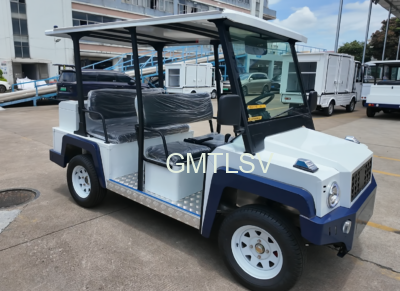
What Is an Electric Low-Speed Multifunctional Vehicle?
An electric low-speed multifunctional vehicle is a battery-powered vehicle designed for short-distance transportation and practical tasks in environments where high road speeds are generally unnecessary.
Its main purpose is to provide convenient, quiet, and efficient mobility within a defined operating area.
Depending on the model, it may be equipped with:
- Passenger seats for moving employees, visitors, or guests
- Cargo beds or enclosed storage compartments for transporting goods
- Flatbed platforms for tools, equipment, and supplies
- Enclosed cabins for additional weather protection
- Specialized bodies for security, maintenance, or service operations
- Different seating and body configurations for specific applications
The term “multifunctional” does not mean that every vehicle performs every task equally well. Instead, it describes a vehicle category that offers different configurations to match different operational requirements.
For example, a resort may need a passenger shuttle during busy periods and a utility vehicle for maintenance work. A factory may require compact vehicles for moving materials between buildings. A farm may need an electric utility vehicle for transporting tools and supplies around the property.
The appropriate vehicle depends on the job it is expected to perform.
Watch Video:Electric low-speed multifunctional vehicle
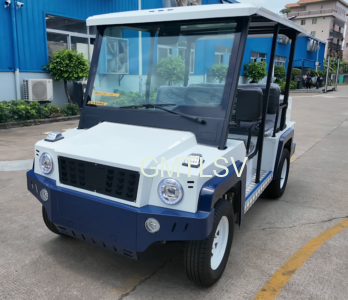
How Are Multifunctional Low-Speed Electric Vehicles Used?
One of the main advantages of this vehicle category is its versatility. Different configurations can support a wide range of everyday transportation and operational tasks.
1. Passenger Transportation
Passenger-oriented models are designed to move people over short distances within resorts, hotels, campuses, residential communities, and other large properties.
Depending on the vehicle design, configurations may include two, four, six, or more passenger seats.
Common applications include:
- Guest transportation in hotels and resorts
- Internal transportation across large campuses
- Shuttle services in residential communities
- Visitor transportation at tourist attractions
- Employee transportation within industrial facilities
For these applications, seating capacity, passenger access, driving comfort, and operating conditions are important considerations.
Businesses that need dedicated passenger transportation can also explore GMTLSV’s electric sightseeing buses and shuttle vehicles.
2. Cargo and Material Transportation
Some low-speed electric vehicles are designed primarily for carrying goods, equipment, and supplies.
Depending on the required application, they may use an open cargo bed, flatbed platform, enclosed cargo box, or specialized storage compartment.
These configurations can support:
- Warehouse and factory material movement
- Resort and hotel supply delivery
- Property maintenance
- Campus logistics
- Short-distance commercial deliveries
- Farm and agricultural transportation
An open cargo bed is useful when workers need to load and unload items frequently. An enclosed cargo body is more suitable when goods need additional protection from rain, dust, or other environmental conditions.
For more specialized work applications, see GMTLSV’s guide to electric utility vehicles.
3. Facility Maintenance and Property Management
Large properties often require employees to travel between buildings while carrying tools, cleaning supplies, or maintenance equipment.
Using a full-size vehicle for these short trips may be unnecessary, especially when operating areas have narrow pathways or limited parking space.
A compact multifunctional electric vehicle can help maintenance teams move around more conveniently.
Typical tasks include:
- Carrying maintenance tools
- Moving cleaning equipment
- Transporting replacement materials
- Supporting landscaping operations
- Inspecting buildings and facilities
- Moving supplies between different work areas
The vehicle configuration should reflect the equipment being transported and the space available at the operating site.
4. Agriculture and Farm Operations
Electric low-speed multifunctional vehicles can also support daily activities on farms, orchards, and other agricultural properties.
They may be used to transport tools, supplies, feed, and other materials over relatively short distances.
For agricultural applications, buyers should consider the terrain, expected load, ground clearance, tire selection, and whether two-wheel-drive or four-wheel-drive capability is required.
A standard low-speed utility vehicle may be sufficient for relatively flat paths and light-duty tasks. More demanding terrain may require a dedicated electric UTV with an appropriate drivetrain and chassis configuration.
Explore GMTLSV’s electric 2WD and 4WD UTV options for applications that require additional off-road capability.
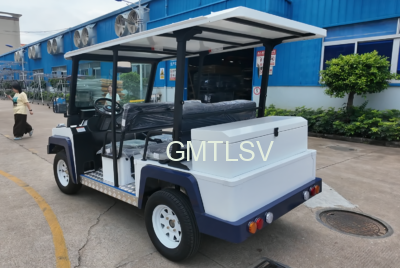
Different Types of Multifunctional Low-Speed Electric Vehicles
Although these vehicles share a low-speed electric operating concept, their designs can be quite different.
The following configurations are among the most practical options for commercial and institutional users.
Electric Passenger Shuttle Vehicles
Passenger shuttles prioritize seating capacity and convenient movement of people.
They are commonly used in resorts, hotels, campuses, tourist attractions, and large residential communities.
Depending on the application, buyers may choose an open-sided vehicle or an enclosed model with doors and additional weather protection.
Electric Utility Vehicles
Utility vehicles are designed around practical work requirements. They may include cargo beds, storage compartments, or specialized equipment.
They are suitable for maintenance teams, property management companies, warehouses, farms, and commercial facilities.
Enclosed Electric Cargo Vehicles
Enclosed cargo vehicles provide a protected space for transporting supplies and materials.
They can be useful for hotels, airports, industrial parks, warehouses, and other locations where goods need to be moved regularly within a defined area.
Electric UTVs
Electric UTVs are designed for utility and off-road applications.
Depending on the model, they may offer two-wheel-drive or four-wheel-drive configurations, cargo beds, and chassis designs suited to uneven surfaces.
They are worth considering for farms, orchards, vineyards, and other working environments where a conventional passenger shuttle may not be appropriate.
Specialized and Customized Electric Vehicles
Some operations require vehicles that do not fit into standard passenger or cargo categories.
Examples include security patrol vehicles, service vehicles, food and beverage carts, and other purpose-built low-speed electric vehicles.
For these projects, the body structure, seating layout, cargo arrangement, and optional equipment should be selected according to the intended task.
GMTLSV’s low-speed electric vehicle collection includes different vehicle types for passenger transportation, utility work, and specialized applications.
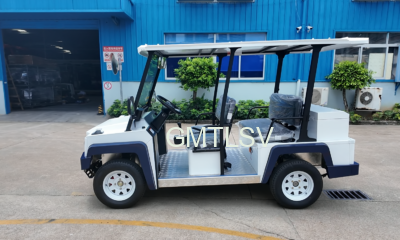
Key Benefits of Multifunctional Low-Speed Electric Vehicles
The suitability of an electric low-speed vehicle depends on its intended use, but several characteristics make this category attractive for many organizations.
Quiet Electric Operation
Electric drive systems produce less operating noise than many conventional combustion-engine vehicles.
This can be beneficial in hotels, resorts, residential communities, campuses, and other environments where noise levels matter.
Practical Short-Distance Transportation
Many facilities have transportation requirements that involve repeated short trips rather than long-distance travel.
A low-speed electric vehicle can provide a practical way to move people, supplies, and equipment within these operating areas.
Flexible Vehicle Configurations
Different body designs and seating arrangements allow buyers to select a vehicle that matches their daily tasks.
For example, a passenger shuttle and a cargo vehicle may share a similar low-speed electric platform concept while serving very different operational purposes.
Convenient Operation Within Large Properties
Compact vehicle designs can make it easier to move around locations with narrow internal roads, buildings, and designated working areas.
The actual suitability depends on vehicle dimensions, turning space, surface conditions, and site layout.
Potentially Lower Routine Operating Requirements
Electric vehicles have fewer conventional engine-related maintenance requirements because they do not use components such as engine oil, fuel injection systems, or exhaust systems.
However, batteries, tires, brakes, suspension components, and electrical systems still require regular inspection and maintenance.
How to Choose the Right Multifunctional Electric Vehicle
Choosing a vehicle based only on its appearance or passenger capacity can lead to a mismatch between the vehicle and its actual working requirements.
Before selecting a model, consider the following factors.
1. Define the Main Application
Start by identifying the vehicle’s primary task.
Will it mainly transport passengers, carry cargo, support maintenance work, or operate on agricultural land?
If the vehicle needs to perform several tasks, identify which task is the most frequent and which requirements are essential.
2. Determine Passenger and Cargo Requirements
Passenger capacity and cargo capacity affect vehicle layout and overall performance.
A vehicle designed to carry several passengers may not provide the same cargo space as a dedicated utility model.
Buyers should consider the number of occupants, typical cargo weight, cargo dimensions, and how frequently loading and unloading will take place.
3. Evaluate the Operating Environment
The surface and layout of the operating area have a direct influence on vehicle selection.
Important considerations include:
- Flat paved roads or uneven terrain
- Indoor or outdoor operation
- Narrow pathways and turning areas
- Slopes and gradients
- Exposure to rain, dust, and heat
- Distance traveled during a typical working day
For off-road applications, drivetrain configuration, ground clearance, tires, and suspension deserve particular attention.
4. Compare Battery and Driving Requirements
Battery capacity, motor output, vehicle weight, load, terrain, and driving conditions all influence operating range and performance.
Rather than selecting a battery based only on its nominal capacity, buyers should estimate daily travel distance, operating hours, expected payload, and charging opportunities.
The final battery and drivetrain configuration should be matched to the vehicle’s intended workload.
5. Consider Customization and After-Sales Support
For commercial fleets and specialized projects, standard configurations may not meet every requirement.
It is worth discussing seating layouts, cargo body designs, battery options, lighting, safety equipment, and other requirements with the manufacturer before placing an order.
Buyers should also confirm the availability of technical support, spare parts, warranty information, and maintenance guidance.
GMTLSV: Multifunctional Low-Speed Electric Vehicles for Different Applications
GMTLSV focuses on the manufacturing and supply of complete low-speed electric vehicles for commercial, industrial, tourism, residential, and other applications.
Its vehicle range covers several categories, including golf carts, sightseeing buses, utility vehicles, enclosed electric vehicles, patrol vehicles, cargo vehicles, and electric UTVs.
Rather than treating every application as the same transportation task, GMTLSV offers different vehicle configurations to address different operating requirements.
For example:
- Passenger shuttle vehicles can support hotels, resorts, and campuses.
- Utility vehicles can help maintenance teams transport tools and supplies.
- Enclosed cargo vehicles can support internal logistics and short-distance delivery.
- Electric UTVs can serve agricultural and off-road applications.
- Specialized vehicles can be configured for security, service, and other operational needs.
GMTLSV also supports customized vehicle projects and OEM/ODM requirements. The appropriate configuration can be discussed according to the intended application, vehicle layout, and project requirements.
To understand GMTLSV’s manufacturing capabilities and vehicle integration approach, read One-Stop Low-Speed Electric Vehicle Manufacturer: From Electric Drivetrain to Complete Vehicles.
Looking for a multifunctional low-speed electric vehicle for your business or project?
GMTLSV can help you explore suitable vehicle categories and configurations based on your passenger, cargo, terrain, and operating requirements.
Contact GMTLSV to Discuss Your Vehicle Requirements
Frequently Asked Questions
What is a multifunctional low-speed electric vehicle?
It is a battery-powered vehicle designed for short-distance transportation and practical work in controlled or designated operating environments. Depending on its configuration, it can transport passengers, carry cargo, support maintenance, or perform specialized tasks.
What are multifunctional electric vehicles used for?
They are used in hotels, resorts, golf courses, campuses, residential communities, farms, warehouses, industrial facilities, and tourist attractions. Common tasks include passenger transportation, cargo movement, facility maintenance, and internal logistics.
Are low-speed multifunctional electric vehicles suitable for commercial use?
Yes. They can be suitable for many commercial operations involving short-distance transportation, internal logistics, and facility support. Buyers should select a vehicle according to its rated capacity, operating environment, and applicable local regulations.
Can one electric vehicle be used for both passenger and cargo transportation?
Some vehicle configurations can accommodate both passengers and cargo, but the available space and load capacity depend on the design. If both tasks are important, buyers should discuss the seating layout, cargo arrangement, and rated payload with the manufacturer.
What is the difference between an electric utility vehicle and an electric UTV?
An electric utility vehicle is a broad category of work-oriented electric vehicles, often designed for carrying tools, supplies, or cargo. An electric UTV is generally designed for utility and off-road use, with configurations that may include higher ground clearance and two-wheel-drive or four-wheel-drive capability.
How do I choose the right battery for a low-speed electric vehicle?
Battery selection depends on the vehicle’s motor and controller, total vehicle weight, payload, expected travel distance, operating hours, and charging conditions. The battery configuration should be matched to the actual workload rather than selected by capacity alone.
Can GMTLSV provide customized low-speed electric vehicles?
GMTLSV supports different vehicle categories and customized vehicle projects. Buyers can discuss their intended application, passenger or cargo requirements, body configuration, and other specifications with the team.
Final Thoughts
Electric low-speed multifunctional vehicles provide a practical transportation option for businesses and organizations that need more than a conventional passenger vehicle.
From passenger shuttles and cargo transport to facility maintenance and agricultural work, different vehicle configurations can support a wide range of short-distance operating requirements.
The most important step is to match the vehicle design to the actual application. Passenger capacity, cargo requirements, terrain, battery configuration, drivetrain, and operating environment should all be considered before making a decision.
With a broad range of complete low-speed electric vehicles and customization capabilities, GMTLSV helps customers explore suitable vehicle solutions for different commercial and operational needs.
Explore GMTLSV’s low-speed electric vehicle range or contact the team to discuss a configuration for your next project.

