

The battery is the heart of any electric Low-Speed Vehicle (LSV). Understanding battery technology, lifespan, and replacement options is essential for getting the most value from your LSV.
This comprehensive guide covers everything you need to know about LSV batteries.
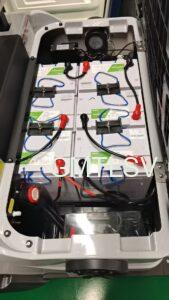
Types of LSV Batteries
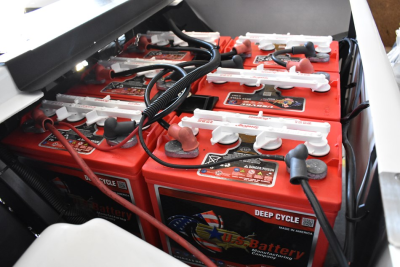
- Flooded Lead-Acid (FLA) Batteries
Flooded lead-acid batteries are the most common type found in entry-level and mid-range LSVs.
Characteristics:
- Liquid electrolyte (sulfuric acid and water)
- Require regular water refilling
- Vent gases during charging
- Most affordable option
- Proven technology with decades of use
Typical Specifications:
- Voltage: 6V or 8V per battery (typically 6 or 8 batteries in series for 48V system)
- Capacity: 150-250 Ah
- Weight: 60-70 lbs per battery
- Cycle life: 500-1,000 cycles
- Absorbent Glass Mat (AGM) Batteries
AGM batteries are a type of sealed lead-acid battery that uses fiberglass mats to absorb the electrolyte.
Characteristics:
- Sealed, maintenance-free design
- No water refilling required
- Can be mounted in any orientation
- More expensive than flooded lead-acid
- Better vibration resistance
- Lower internal resistance
Typical Specifications:
- Voltage: 6V or 8V per battery
- Capacity: 150-200 Ah
- Weight: 55-65 lbs per battery
- Cycle life: 400-700 cycles
- Gel Cell Batteries
Gel cell batteries use a silica gel to immobilize the electrolyte.
Characteristics:
- Sealed, maintenance-free
- Excellent deep-cycle performance
- Good for frequent, deep discharges
- More expensive than AGM
- Sensitive to overcharging
Typical Specifications:
- Voltage: 6V or 8V per battery
- Capacity: 150-200 Ah
- Weight: 55-65 lbs per battery
- Cycle life: 500-800 cycles
- Lithium-Ion (LiFePO4) Batteries
Lithium iron phosphate (LiFePO4) batteries are the most advanced option for LSVs.
Characteristics:
- Lightest weight option
- Longest lifespan
- Fastest charging
- Maintenance-free
- Built-in Battery Management System (BMS)
- Highest upfront cost
- Best total cost of ownership
Typical Specifications:
- Voltage: 48V or 51.2V (single pack)
- Capacity: 50-200 Ah
- Weight: 50-100 lbs (entire pack)
- Cycle life: 2,000-5,000 cycles
Battery Lifespan
Battery lifespan is measured in cycles (one full discharge and recharge). Actual lifespan depends on several factors:
Factors Affecting Lifespan:
- Depth of Discharge (DoD):Shallower discharges extend battery life. A battery discharged to 50% will last significantly longer than one discharged to 80%.
- Temperature:Extreme heat accelerates degradation. Extreme cold reduces capacity. Ideal operating temperature is 60-80°F (15-27°C).
- Charging Habits:Proper charging extends battery life. Overcharging and undercharging both cause damage.
- Maintenance:Regular maintenance (especially for lead-acid batteries) extends lifespan.
- Usage Patterns:Frequent deep discharges reduce lifespan. Occasional full discharges are acceptable.
Expected Lifespan by Battery Type:
| Battery Type | Cycles | Years (Typical Use) |
| Flooded Lead-Acid | 500-1,000 | 3-5 |
| AGM | 400-700 | 3-4 |
| Gel Cell | 500-800 | 4-6 |
| Lithium (LiFePO4) | 2,000-5,000 | 8-15 |
Signs Your Battery Needs Replacement
Watch for these warning signs:
- Reduced Range:Your LSV travels significantly less distance on a full charge.
- Slow Speed:The vehicle struggles to reach top speed, especially on inclines.
- Longer Charging Time:The battery takes much longer to reach full charge.
- Swollen or Bulging Case:This indicates internal damage (especially in lithium batteries).
- Cracked or Leaking Case:This is a safety hazard (especially in lead-acid batteries).
- Excessive Heat:The battery gets very hot during charging or operation.
- Voltage Drop:Battery voltage drops quickly under load.
- Age:The battery has reached or exceeded its expected lifespan.
Battery Testing
Regular testing helps you monitor battery health and plan for replacement.
For Lead-Acid Batteries:
- Voltage Test:Measure voltage after resting (12+ hours after charging). A fully charged 6V battery should read 6.3-6.4V. A fully charged 8V battery should read 8.4-8.5V.
- Load Test:Apply a load and measure voltage drop. A significant drop indicates weak cells.
- Hydrometer Test:Measure specific gravity of electrolyte. Low readings indicate discharged or failing cells.
- Capacity Test:Discharge the battery at a known rate and measure total energy delivered.
For Lithium Batteries:
- Voltage Test:Check pack voltage through the BMS. A fully charged 48V pack should read 54.4-58.4V (depending on chemistry).
- BMS Diagnostics:The BMS provides detailed information on cell voltages, temperature, and state of charge.
- Capacity Test:The BMS tracks energy in and out, providing accurate capacity information.
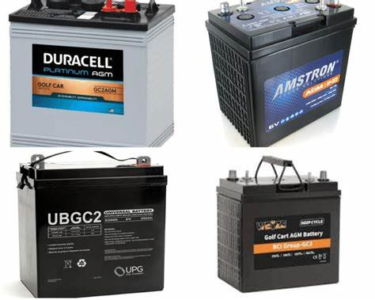
Battery Replacement
When it is time to replace your LSV battery, follow these steps:
- Choose the Right Replacement:
- Match voltage (typically 48V for most LSVs)
- Consider capacity (Ah) — higher capacity means longer range
- Decide between lead-acid and lithium
- Check physical dimensions to ensure fit
- Verify connector type
- Consider Upgrading:
Many LSV owners choose to upgrade from lead-acid to lithium when replacing batteries. Benefits include:
- Longer lifespan
- Lighter weight
- Faster charging
- More usable capacity
- Lower total cost of ownership
- Professional Installation:
While battery replacement can be a DIY project, professional installation is recommended, especially for lithium upgrades that may require controller reprogramming. - Proper Disposal:
- Lead-acid batteries: Return to a battery retailer or recycling center (over 99% are recycled)
- Lithium batteries: Return to the manufacturer or a certified e-waste recycler
Battery Maintenance Tips
For Lead-Acid Batteries:
- Check water levels monthly (use only distilled water)
- Clean terminals and apply anti-corrosion spray
- Charge fully after each use
- Avoid deep discharges (below 50%)
- Store in a cool, dry place
- Perform equalization charges as recommended
For Lithium Batteries:
- Store at 50-80% charge for long-term storage
- Avoid exposure to extreme heat
- Use only the manufacturer’s charger
- Keep the BMS updated
- Do not discharge below the BMS cutoff voltage
Conclusion
The battery is the most important component of your LSV. Understanding the different types, their lifespans, and proper maintenance will help you get the most value from your vehicle. Whether you choose lead-acid for its lower upfront cost or lithium for its long-term value, proper care will maximize your battery’s lifespan and your LSV’s performance.


